

What is Biomass Powder Pneumatic Conveying? What Are the Design Principles?
Biomass powder pneumatic conveying is a crucial technology in material handling, particularly for transporting fine powders like biomass. This method uses air as the conveying medium to move particles through a pipeline system. Understanding the fundamentals of this technology and its design principles is essential for efficient and reliable material transport in various industrial applications.
Understanding Biomass Powder Pneumatic Conveying
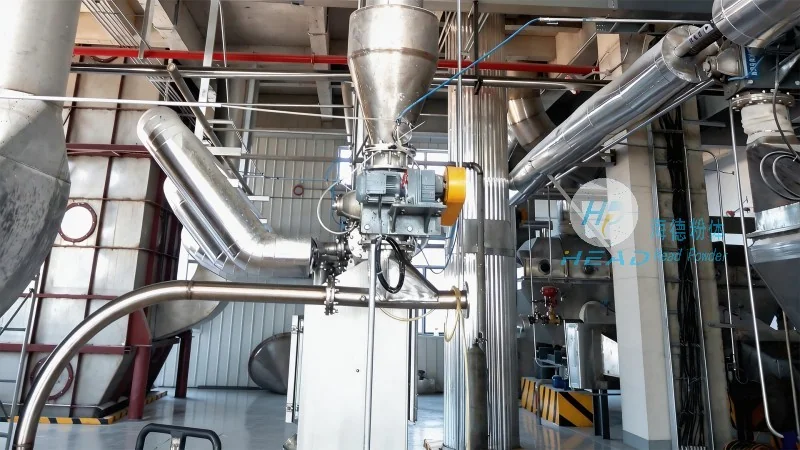
Biomass powder, derived from organic materials such as wood chips, agricultural residues, or energy crops, often requires specialized handling due to its fine particle size and potential for dust generation. Pneumatic conveying offers a solution by utilizing compressed air to transport these powders without the need for mechanical components like belts or buckets. This approach not only enhances safety by reducing exposure to dust but also improves operational efficiency by minimizing equipment wear and tear.
The Core Design Principles of Biomass Powder Pneumatic Conveying Systems
The design of a biomass powder pneumatic conveying system involves several key principles that ensure optimal performance. These include the selection of appropriate air velocity, pipeline configuration, and material handling components. The air velocity must be sufficient to overcome the resistance of the particles in the pipeline while maintaining energy efficiency. Proper pipeline design, such as the use of straight sections, bends, and expansion joints, is critical to prevent particle deposition and maintain consistent flow.
Key Components in Biomass Powder Pneumatic Conveying Systems
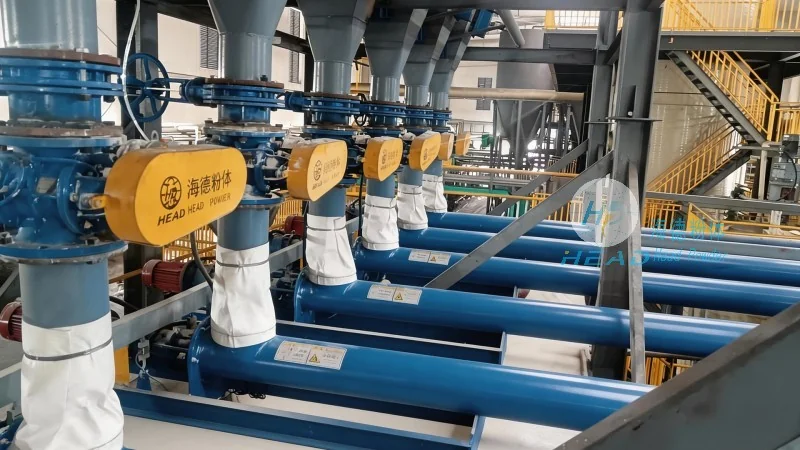
Several components are integral to the functionality of a biomass powder pneumatic conveying system. The primary components include the air compressor, which generates the necessary pressure for conveying; the hopper or feeder, which supplies the biomass powder to the system; the pipeline network, which transports the material; and the receiver or discharge point, where the material is deposited. Each component must be carefully selected and sized to match the specific characteristics of the biomass powder and the operational requirements of the system.
Design Considerations for Efficient Biomass Powder Transport
Efficient biomass powder transport through pneumatic conveying depends on several design considerations. The particle size distribution, moisture content, and density of the biomass powder are critical factors that influence the system's performance. For example, finer particles may require higher air velocities to prevent clogging, while larger particles might need different pipeline diameters to ensure smooth flow. Additionally, the system must be designed to handle variations in material properties, such as changes in moisture content due to seasonal factors or different feedstock sources.
Advantages of Biomass Powder Pneumatic Conveying
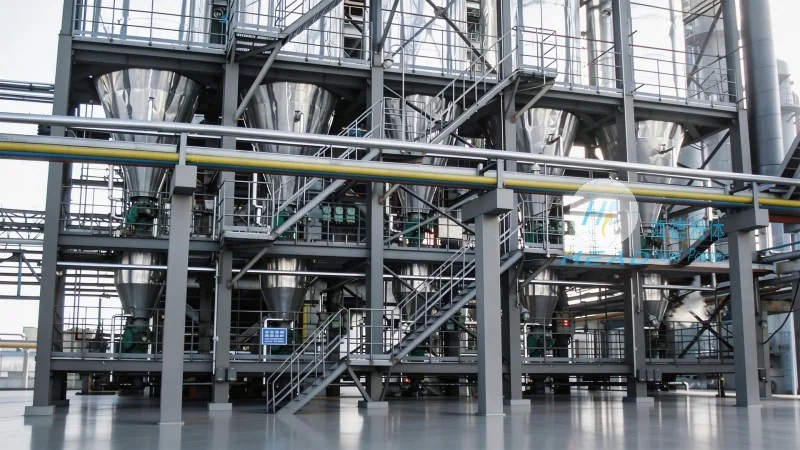
Biomass powder pneumatic conveying offers several advantages over traditional mechanical conveying methods. These include reduced equipment maintenance due to the absence of moving parts, improved safety by minimizing dust exposure, and the ability to transport materials over long distances without the need for intermediate storage. The system also allows for flexible layout designs, as the pipeline can be routed around obstacles, and can be integrated with other processing equipment for a seamless material flow.
Applications of Biomass Powder Pneumatic Conveying
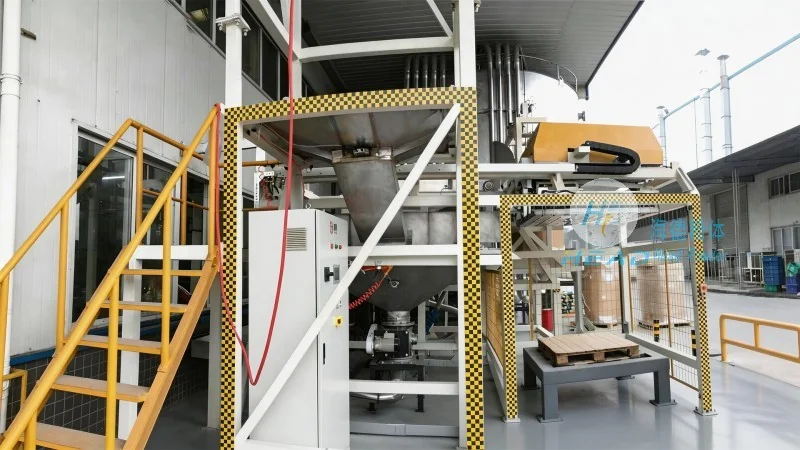
Biomass powder pneumatic conveying is widely used in various industries, including biomass power generation, biofuel production, and agricultural processing. In biomass power plants, for example, the technology is used to transport biomass from storage facilities to the boiler. In biofuel production, it helps move biomass to processing units for conversion into pellets or other energy products. The versatility of the system makes it suitable for a range of applications where fine powder handling is required.
Conclusion and Company Overview
Biomass powder pneumatic conveying is a sophisticated and efficient method for handling fine organic powders. The design principles and components involved in such systems are critical to ensuring reliable and energy-efficient material transport. As a leading provider in this field, Shandong HeadPowder Engineering Co., Ltd. specializes in designing and manufacturing customized pneumatic conveying solutions tailored to the unique needs of biomass processing industries. With a focus on innovation and quality, HeadPowder ensures that its systems meet the highest standards of performance and safety, supporting the efficient operation of biomass-based facilities worldwide.