

What is Chlorinated Polyethylene Pneumatic Conveying? And What Are Its Design Principles?
Chlorinated polyethylene (CPE) is a versatile polymer material widely used in various industrial applications due to its excellent chemical resistance, flexibility, and durability. When combined with pneumatic conveying technology, it forms a robust system for handling bulk materials efficiently and safely. This article explores the fundamentals of chlorinated polyethylene pneumatic conveying systems, focusing on their design principles and practical applications.
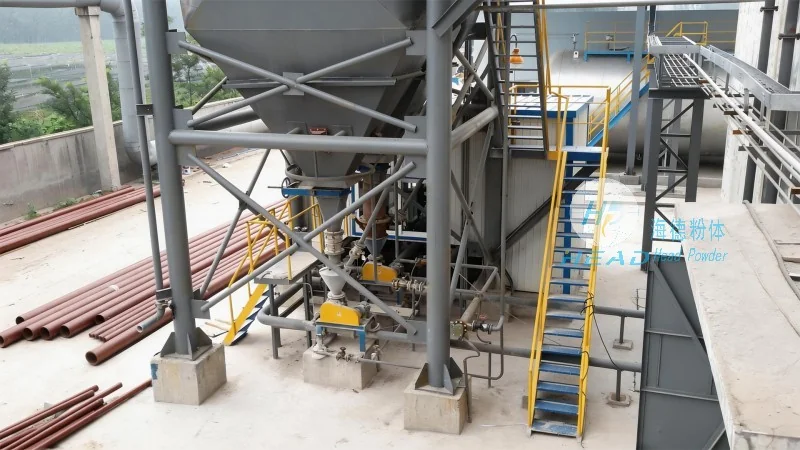
Understanding Chlorinated Polyethylene Pneumatic Conveying
Chlorinated polyethylene pneumatic conveying is a method of transporting bulk materials through a pipeline using compressed air or other gases. Unlike traditional mechanical conveying systems, this technology relies on the kinetic energy of the air stream to move particles. The use of chlorinated polyethylene as the primary material for the conveying components offers several advantages, including resistance to corrosion, chemicals, and environmental factors. This makes it particularly suitable for handling aggressive or abrasive materials that would otherwise damage conventional materials like metal or plastic.
Key Components of a Chlorinated Polyethylene Pneumatic Conveying System
A typical chlorinated polyethylene pneumatic conveying system consists of several key components that work in tandem to ensure efficient material transport. These components include the material feed hopper, the conveying line (usually made of CPE or other compatible materials), the air supply system (including a blower or compressor), and the control valves. The material feed hopper is designed to store and meter the bulk material, ensuring a consistent flow into the conveying line. The conveying line, often made of CPE or reinforced plastic, is the main pathway for the material and air mixture. It is engineered to withstand the pressure and temperature variations associated with the conveying process. The air supply system provides the necessary pressure and volume of air to move the material through the line. Control valves are used to regulate the flow of air and material, allowing for precise control over the conveying process.
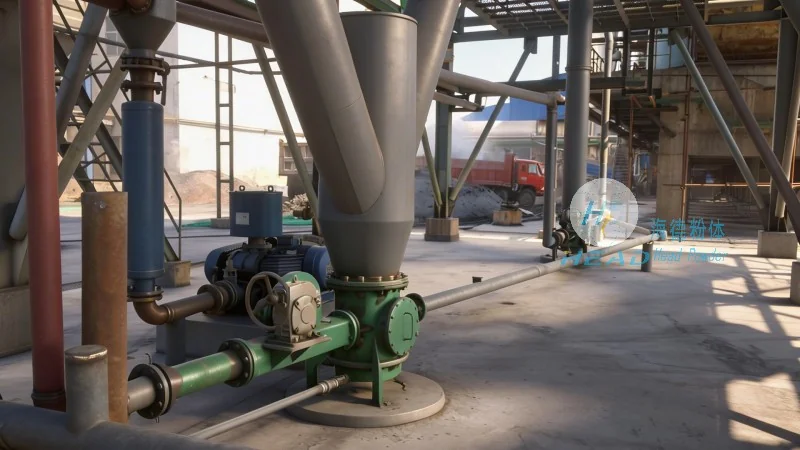
Design Principles for Chlorinated Polyethylene Pneumatic Conveying
The design of a chlorinated polyethylene pneumatic conveying system is governed by several critical principles that ensure optimal performance and longevity. First, the system must be designed to handle the specific properties of the material being conveyed, such as its particle size, density, and flow characteristics. This involves selecting appropriate equipment and components that can accommodate these characteristics without causing blockages or wear. Second, the system must be engineered for durability and resistance to the operating environment. Chlorinated polyethylene's resistance to chemicals, UV radiation, and temperature fluctuations makes it an ideal choice for harsh industrial conditions. Third, the system must be designed for energy efficiency and operational reliability. This includes optimizing the air pressure and flow rates to minimize energy consumption while maintaining the required conveying capacity. Finally, the system must comply with safety and regulatory standards, ensuring that it operates without posing risks to personnel or the environment.
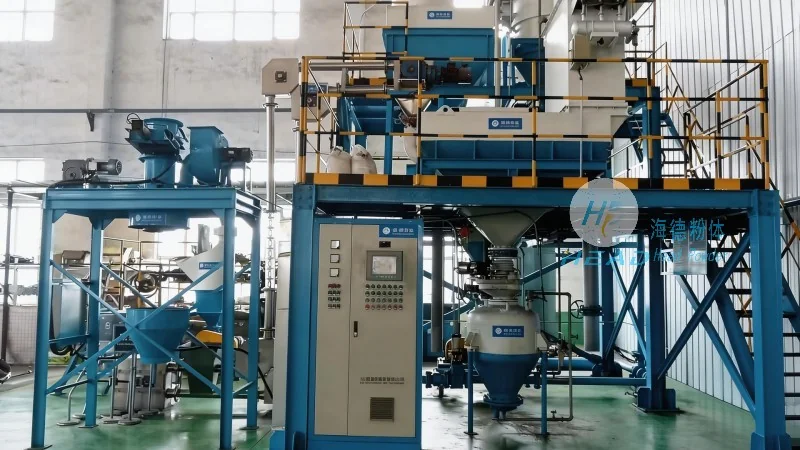
Applications and Benefits of Chlorinated Polyethylene Pneumatic Conveying
Chlorinated polyethylene pneumatic conveying systems are widely used in various industries, including chemical processing, food and beverage, pharmaceuticals, and mining. They are particularly beneficial for handling materials that are difficult to transport using traditional methods, such as powders, granules, and fine particles. The benefits of using this technology include reduced maintenance costs due to the corrosion-resistant properties of CPE, improved material handling efficiency, and enhanced safety due to the enclosed system design. Additionally, the flexibility of the system allows for easy integration into existing production lines and the ability to transport materials over long distances without the need for multiple transfer points.
About Shandong HeadPowder Engineering Co., Ltd.
Shandong HeadPowder Engineering Co., Ltd., commonly known as HeadPowder, is a leading manufacturer and supplier of industrial conveying systems. With a focus on innovation and quality, HeadPowder specializes in designing and manufacturing chlorinated polyethylene pneumatic conveying systems tailored to the specific needs of its clients. The company's commitment to using high-quality materials and advanced engineering ensures that its products meet the highest standards of performance and reliability. HeadPowder serves a diverse range of industries, providing customized solutions that enhance operational efficiency and reduce costs. The company's headquarters is located in Shandong, China, where it operates a state-of-the-art manufacturing facility equipped with the latest technology and skilled personnel.