

What is a Dust-Free Automatic Pneumatic Conveying System? And What Are Its Design Principles?
For industries that require precise material handling with minimal contamination, a dust-free automatic pneumatic conveying system is a critical solution. These systems are engineered to transport bulk materials through an enclosed pipeline using air pressure, ensuring that the material remains free from dust and particles during transit. The technology is widely used in sectors such as pharmaceuticals, food processing, and chemical manufacturing, where maintaining product purity is paramount. In this article, we explore the fundamental concepts behind these systems and delve into their design principles to help you understand how they function effectively.
Introduction to Pneumatic Conveying Technology
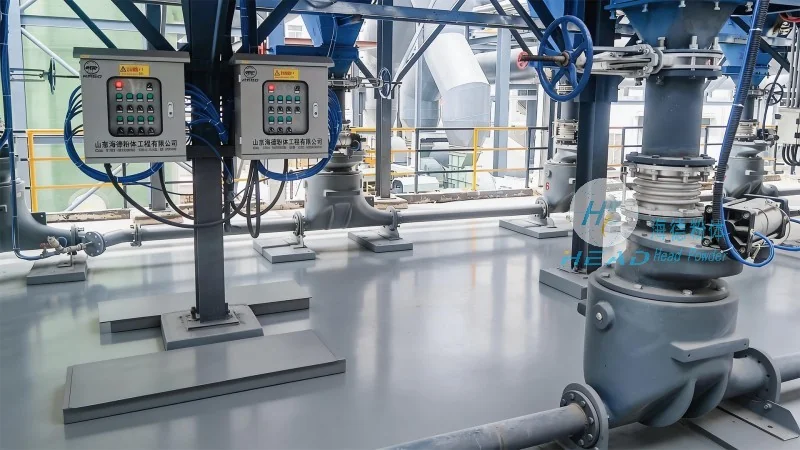
At the core of a dust-free automatic pneumatic conveying system is the ability to move materials without direct contact with the environment. Unlike traditional belt or screw conveyors, which can generate dust and contamination, pneumatic systems use compressed air to propel material through a sealed pipeline. This method not only prevents dust emissions but also ensures that the material remains intact and free from external contaminants. The system typically consists of several key components, including a hopper for material storage, a blower or compressor to generate air pressure, a pipeline network, and a discharge point for the material. Each component plays a vital role in maintaining the integrity of the material and the efficiency of the conveying process.
Key Components of a Dust-Free Pneumatic Conveying System
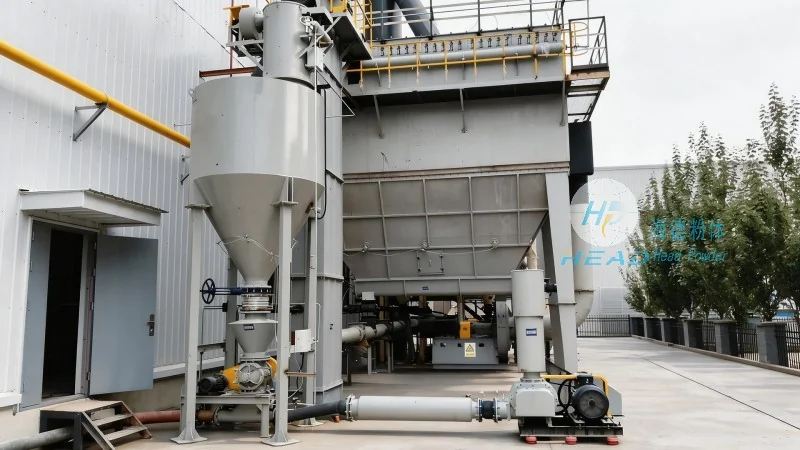
The effectiveness of a dust-free automatic pneumatic conveying system depends on the integration of several specialized components. The hopper, often equipped with a feeder or rotary valve, ensures a controlled flow of material into the system. This component is crucial for preventing material buildup and maintaining consistent pressure within the pipeline. The blower or compressor is responsible for generating the necessary air pressure, typically ranging from 5 to 15 psi, depending on the material's characteristics and the system's design. The pipeline network, made from materials like stainless steel or plastic, is designed to be airtight and resistant to corrosion, ensuring that no air or material escapes. The discharge point, which may include a cyclone separator or a filter, is used to separate the material from the air stream and collect it in a container or processing unit. Together, these components work in harmony to create a clean, efficient, and reliable material handling solution.
Design Principles for Optimal Performance
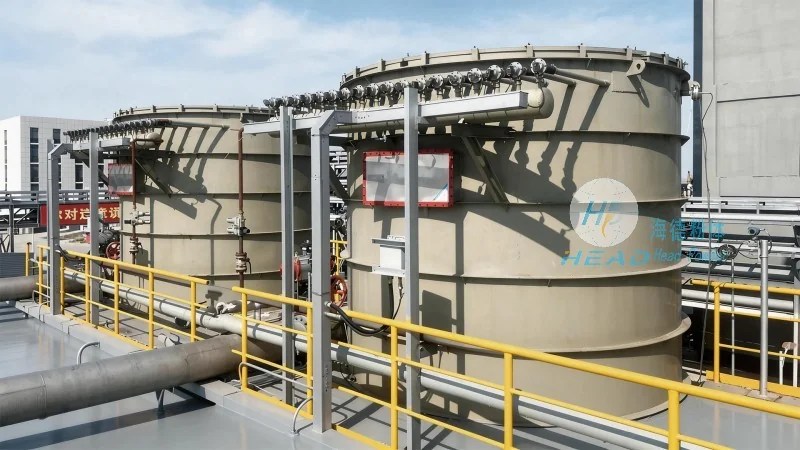
The design of a dust-free automatic pneumatic conveying system is based on several fundamental principles that ensure efficiency, safety, and material integrity. One of the primary principles is the use of a sealed system, which prevents dust and particles from escaping into the environment. This is achieved through the use of airtight connections and seals throughout the pipeline and component interfaces. Another key principle is the selection of appropriate air pressure and flow rates, which are determined by the material's density, particle size, and moisture content. For example, lighter materials with smaller particles may require higher air pressure to maintain flow, while heavier materials may need a lower pressure but higher volume of air. The system's design also considers the material's flow characteristics, such as its angle of repose and cohesive properties, to ensure that the material moves smoothly through the pipeline without clogging. Additionally, the system incorporates features like pulse jets or air locks to prevent material buildup and maintain consistent flow rates. These design principles are critical for achieving optimal performance and minimizing downtime in industrial applications.
Applications and Benefits of Dust-Free Pneumatic Conveying
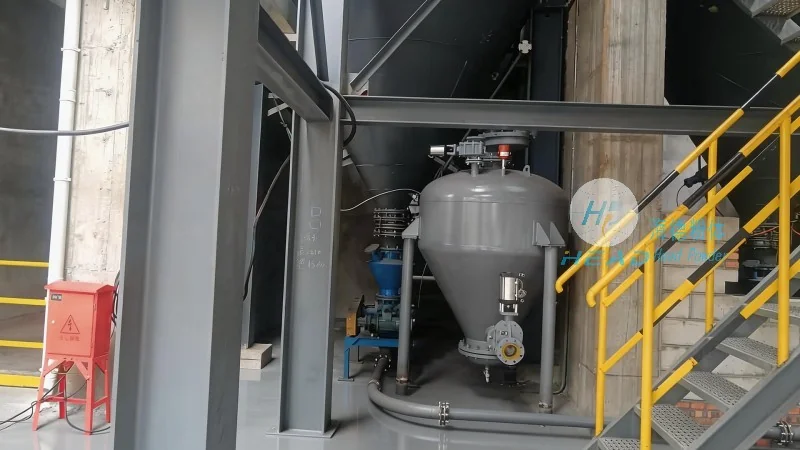
Dust-free automatic pneumatic conveying systems are widely used in various industries due to their numerous benefits. In the pharmaceutical industry, these systems are essential for handling active pharmaceutical ingredients (APIs) and other sensitive materials, as they prevent contamination and ensure product quality. In food processing, they are used to transport ingredients like flour, sugar, and spices without introducing dust or bacteria, maintaining food safety standards. The chemical industry also benefits from these systems, as they can handle corrosive or hazardous materials while keeping the environment clean and safe. The primary benefits of dust-free pneumatic conveying include improved product quality, reduced contamination risks, enhanced safety for operators, and increased efficiency in material handling. Additionally, these systems are energy-efficient and can be integrated with existing production lines, making them a cost-effective solution for many businesses. By minimizing dust emissions and ensuring a clean handling process, these systems contribute to a safer and more sustainable industrial environment.