

What is a Roots Blower Pneumatic Conveying System? What are its Design Principles?
A Roots blower pneumatic conveying system is a specialized industrial solution designed to transport bulk materials through a pipeline using compressed air. This technology is widely used in various industries, including chemical, pharmaceutical, food processing, and mining, due to its efficiency and ability to handle a wide range of materials. The system combines the power of a roots blower with a pneumatic conveying mechanism to achieve reliable material transport over long distances and at high speeds, making it an ideal choice for applications where traditional mechanical conveying methods are not feasible or cost-effective.
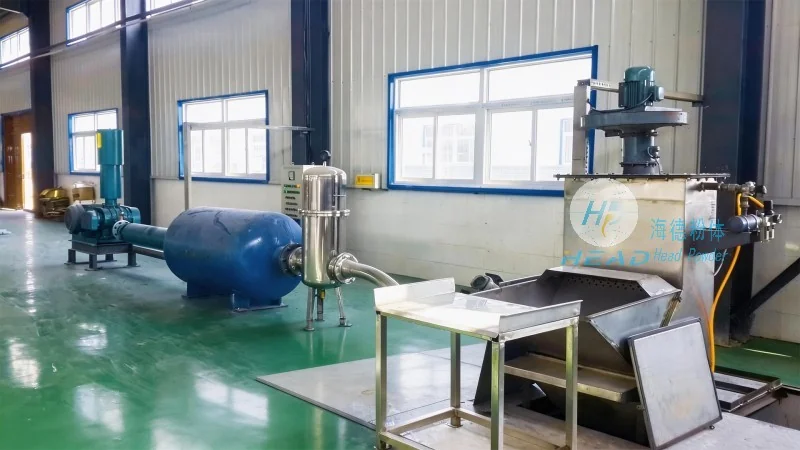
Key Components of a Roots Blower Pneumatic Conveying System
The core components of a roots blower pneumatic conveying system include the roots blower itself, a material feeder, a conveying pipeline, a receiver, and a control system. The roots blower generates the necessary air pressure to move the material through the pipeline. The material feeder ensures a consistent flow of material into the system, while the conveying pipeline transports the material from the source to the destination. The receiver collects the material at the end of the pipeline, and the control system monitors and regulates the operation of the entire system to maintain optimal performance. Each component plays a critical role in ensuring the system operates efficiently and reliably, with the roots blower being the heart of the system, providing the necessary pressure and airflow to drive the material through the pipeline.
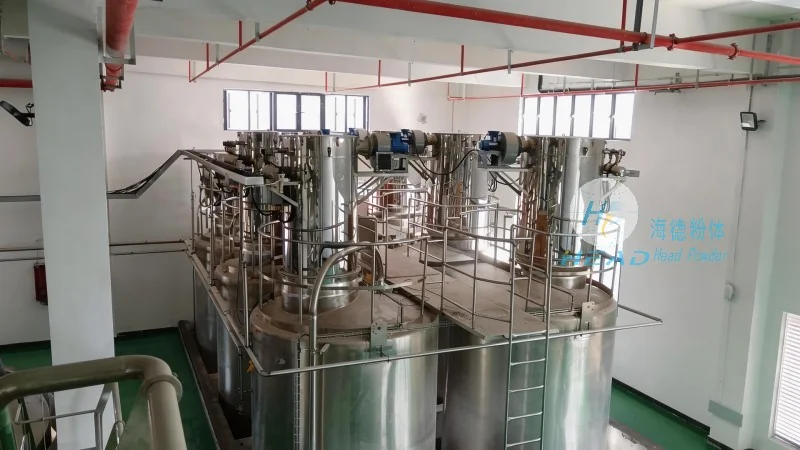
Working Principle of the Roots Blower
The roots blower operates on the principle of positive displacement. It consists of two interlocking lobes (or rotors) that rotate in opposite directions within a housing. As the lobes rotate, they create a vacuum at the inlet and compress the air at the outlet. This pressure differential is used to draw material into the pipeline and push it forward. The speed of the lobes and the volume of air generated determine the conveying capacity of the system. The roots blower is known for its high efficiency and ability to handle large volumes of air, making it suitable for high-capacity pneumatic conveying applications. The lobes are designed to maintain a constant volume of air, which results in a stable pressure and flow rate, ensuring consistent material transport throughout the system.
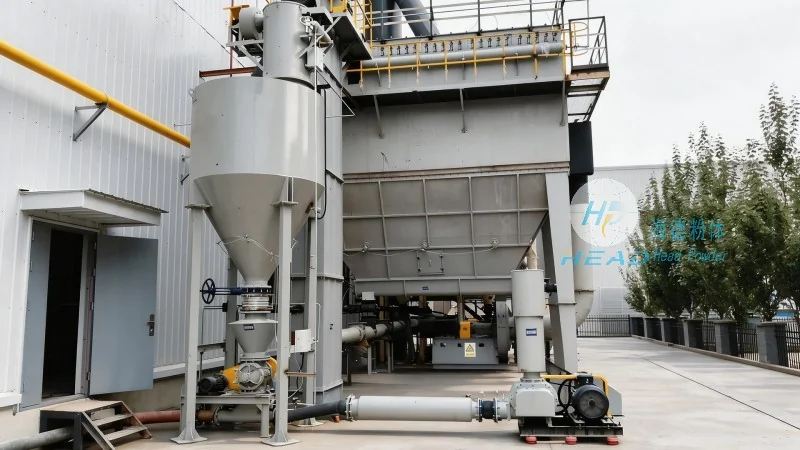
Design Principles for Efficient Pneumatic Conveying
Designing an effective roots blower pneumatic conveying system involves several key principles. First, the system must be sized to match the material characteristics and conveying distance. The material's density, particle size, and flowability are critical factors that influence the required air velocity and pressure. For example, fine powders may require higher air velocities to prevent clogging, while larger particles may need lower velocities to maintain stability. Second, the pipeline layout should be optimized to minimize pressure losses and ensure smooth material flow. This includes using appropriate pipe diameters, elbows, and other fittings that reduce turbulence and friction. The use of smooth, corrosion-resistant materials for the pipeline is also important to prevent material buildup and ensure long-term performance. Third, the system should include proper dust collection and filtration to maintain air quality and prevent material buildup in the pipeline. This is particularly important in industries where air quality regulations are strict, such as pharmaceutical and food processing. Additionally, the control system should incorporate safety features to prevent overpressure and ensure smooth operation. This includes pressure relief valves and automatic shut-off mechanisms that can be activated in case of system failure.
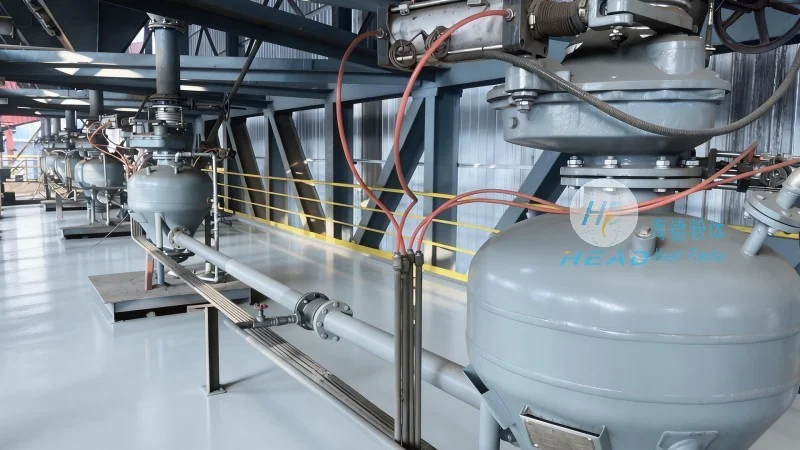
Applications and Benefits of Roots Blower Pneumatic Conveying
Roots blower pneumatic conveying systems are used in a variety of applications where bulk material transport is required. These include transporting powders, granules, and other fine materials in the chemical and pharmaceutical industries. In the chemical industry, they are used to convey raw materials and finished products, such as powders and granules, from storage to processing equipment. In the pharmaceutical industry, they are used to transport active ingredients and excipients without contamination, ensuring product quality and safety. In the food processing industry, they are used to convey ingredients and finished products, such as flour, sugar, and spices, from storage to production lines. The benefits of this system include high conveying efficiency, low maintenance costs, and the ability to transport materials over long distances without the need for mechanical components. Additionally, the system is relatively simple to install and operate, making it a cost-effective solution for many industrial applications. The roots blower system also offers flexibility, as it can be easily adjusted to handle different materials and conveying distances. This makes it a versatile solution for a wide range of industrial needs.