

What is a Bulk Bag Unloading Pneumatic Conveying System? Understanding Its Design Principles
For industries dealing with bulk materials, efficient and reliable material handling systems are crucial for maintaining operational efficiency and product quality. One such system that has gained significant traction is the bulk bag unloading pneumatic conveying system. This technology offers a seamless solution for transferring materials from large flexible containers, known as ton bags or flexible intermediate bulk containers (FIBCs), into processing equipment or storage silos. In this article, we explore the fundamental aspects of this system, including its design principles and the key components that make it effective.
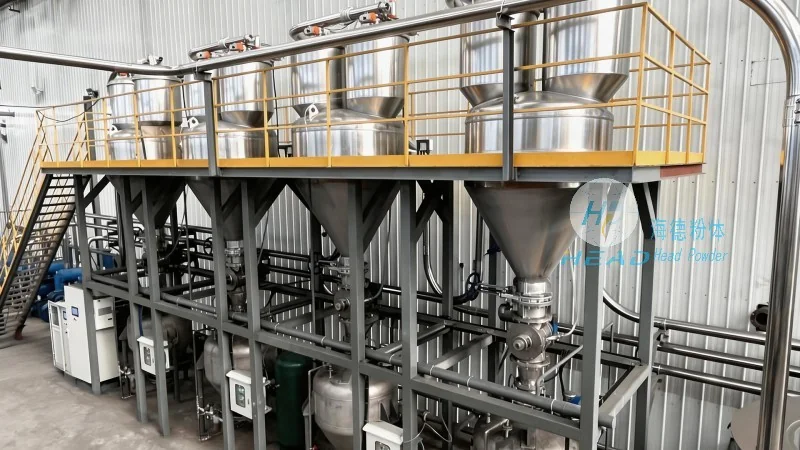
What is a Bulk Bag Unloading Pneumatic Conveying System?
A bulk bag unloading pneumatic conveying system is a specialized equipment setup designed to automate the process of emptying bulk bags and transporting the contained material to a desired destination. The system typically integrates several components, including a bulk bag discharger, a pneumatic conveying unit, and a receiving hopper or silo. The primary goal is to handle large volumes of dry bulk materials, such as powders, granules, or pellets, with minimal human intervention and reduced risk of contamination or spillage.
Key Components of the System
The effectiveness of a bulk bag unloading pneumatic conveying system relies on the proper integration and functionality of its core components. Each part plays a critical role in ensuring smooth operation and optimal performance. The main components include:
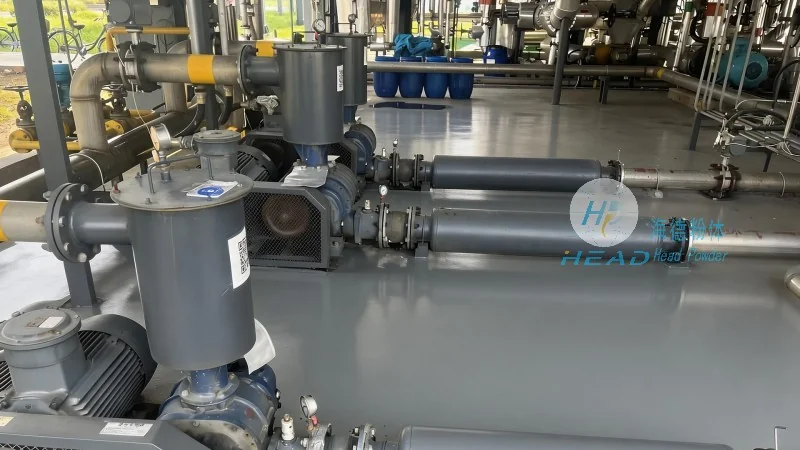
- Bulk Bag Discharger: This is the initial component that handles the opening and emptying of the ton bag. It may feature a mechanical or hydraulic system to cut or tear the bag's top, allowing the material to flow out. Some advanced dischargers also include a bag cleaning mechanism to prevent material residue from contaminating the next load.
- Pneumatic Conveying Unit: This is the heart of the system, responsible for transporting the material through the air. It consists of a blower or air compressor that generates the necessary airflow and pressure. The conveying unit can be either positive pressure (where air is pushed through the material) or negative pressure (where air is drawn through the material). The choice of pressure type depends on the material's characteristics and the distance to be covered.
- Conveying Pipelines: The system uses a network of pipes to transport the material from the discharger to the receiving point. The pipes are usually made of stainless steel or other corrosion-resistant materials to withstand the abrasive nature of many bulk materials. The design of the pipeline, including bends and fittings, is critical to maintain airflow efficiency and prevent material buildup or blockages.
- Receiving Hopper or Silo: The material is collected in a hopper or silo at the end of the conveying line. This component stores the material until it is further processed or transferred to other equipment. The hopper is often equipped with a discharge valve or gate to control the flow of material out of the system.
- Dust Collection and Filtration System: Pneumatic conveying generates dust, which can be a health hazard and cause equipment wear. A dust collection system, typically using a cyclone or bag filter, is integrated to capture and remove airborne particles, ensuring a clean and safe working environment.
Design Principles Behind the System
The design of a bulk bag unloading pneumatic conveying system is guided by several key principles aimed at optimizing performance, efficiency, and safety. These principles are tailored to the specific characteristics of the material being handled and the operational requirements of the facility.
Firstly, the system must be designed to handle the material's physical properties, such as particle size, density, and moisture content. For example, fine powders may require higher airflow rates to prevent clogging, while larger granules might need lower velocities to avoid damage. The design also considers the material's flowability, as some materials may be cohesive or prone to bridging, which can affect the conveying process.
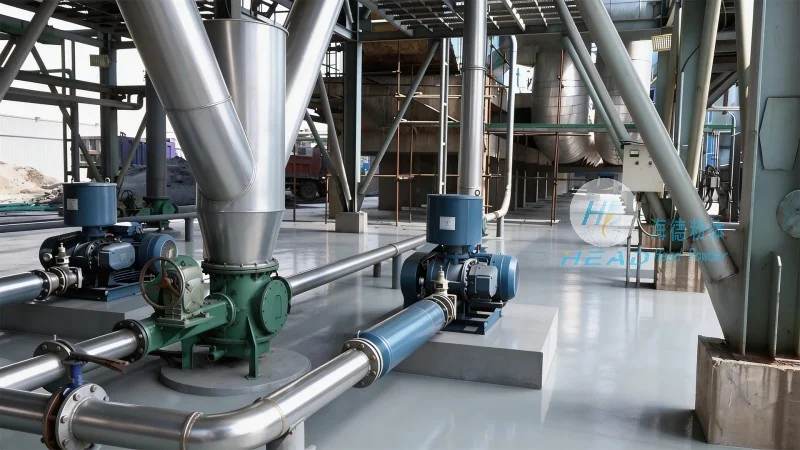
Secondly, the system's layout and pressure considerations are critical. The pressure and airflow rate must be sufficient to overcome the resistance in the pipelines and ensure the material reaches the receiving point without loss of velocity. The design typically involves calculating the required air volume and pressure based on the material's specific gravity, conveying distance, and pipeline diameter.
Thirdly, safety and maintenance are integral to the design. The system includes features such as pressure relief valves, emergency shut-off switches, and regular maintenance access points to ensure safe operation and easy servicing. The materials used for components, such as the discharger and pipelines, are chosen for durability and resistance to corrosion from the handled substances.
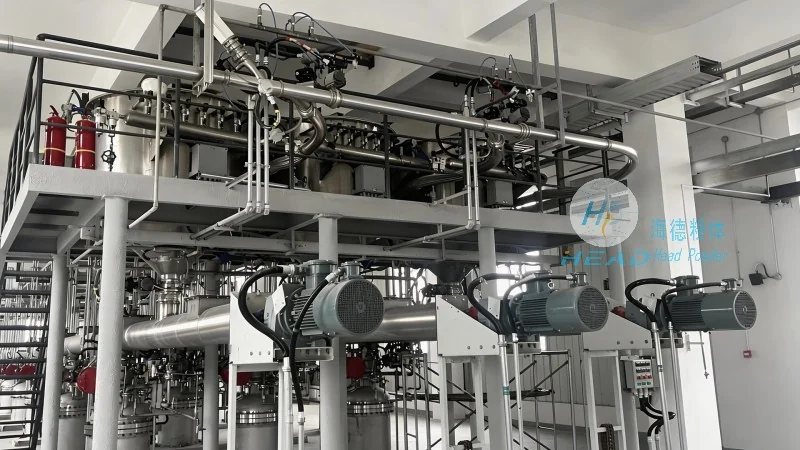
Applications and Industries
Bulk bag unloading pneumatic conveying systems are widely used across various industries due to their versatility and efficiency. Some of the primary applications include:
- Chemical Industry: Handling chemicals, pigments, and additives in bulk, ensuring precise dosing and minimizing exposure to hazardous materials.
- Food and Beverage Industry: Transferring ingredients like flour, sugar, and spices while maintaining strict hygiene standards and preventing contamination.
- Pharmaceutical Industry: Conveying active pharmaceutical ingredients (APIs) and excipients with high purity requirements, often in sterile or controlled environments.
- Mineral and Mining Industry: Transporting ores, powders, and other raw materials from storage to processing plants, improving material flow and reducing labor costs.
- Agricultural Industry: Handling fertilizers, seeds, and animal feed, facilitating large-scale storage and distribution.
Company Profile: Shandong HeadPowder Engineering Co., Ltd.
Shandong HeadPowder Engineering Co., Ltd., operating under the brand name headpowder, is a leading manufacturer and supplier of bulk material handling solutions. Based in Shandong, China, the company specializes in designing and manufacturing advanced pneumatic conveying systems tailored to the needs of diverse industries. With a focus on innovation and quality, headpowder provides comprehensive solutions that enhance operational efficiency, reduce downtime, and ensure product integrity. The company's expertise in material handling technology has made it a trusted partner for businesses seeking reliable and efficient bulk material processing systems.