

What is a PVC Pneumatic Conveying System? What is its Design Principle?
For industrial applications requiring efficient material handling, understanding the PVC pneumatic conveying system is crucial. This system utilizes compressed air to transport bulk materials through a pipeline network, offering a flexible and effective solution for various industries. The design principle of such a system involves several key components and operational mechanisms that ensure reliable and efficient material transport.
Introduction to PVC Pneumatic Conveying Systems
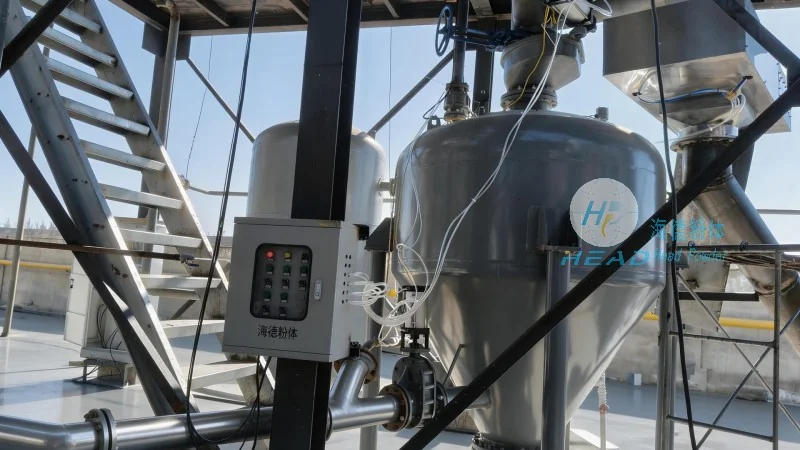
A PVC pneumatic conveying system is a type of material handling equipment that uses air pressure to move bulk materials from one location to another. Unlike traditional mechanical conveying systems, which rely on belts, screws, or buckets, pneumatic systems employ air as the primary medium for transporting materials. This method is particularly advantageous for handling fine powders, granules, and other particulate materials that are difficult to transport using conventional methods. The system typically consists of a blower, a hopper for material storage, a pipeline network, and a receiver for the discharged material. The choice of PVC for the pipeline and components is due to its chemical resistance, durability, and flexibility, making it suitable for a wide range of industrial applications.
Key Components of a PVC Pneumatic Conveying System
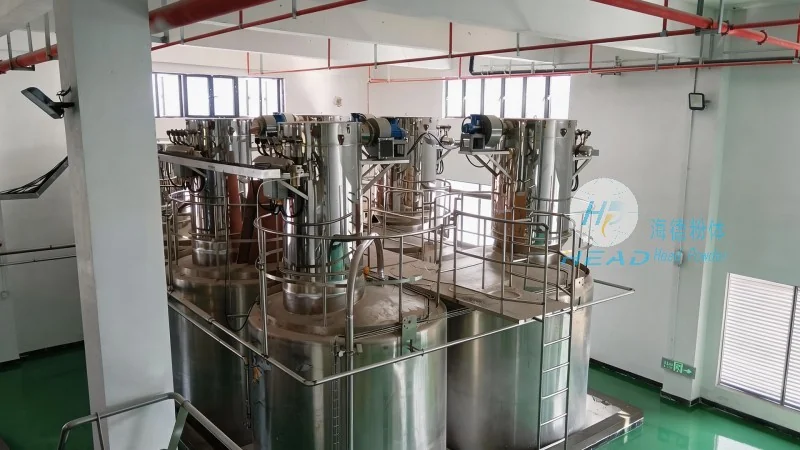
The effectiveness of a PVC pneumatic conveying system depends on several critical components that work in tandem to ensure efficient material transport. The first component is the blower or air compressor, which generates the necessary air pressure to move the material through the pipeline. The blower's capacity and pressure are tailored to the specific material being conveyed and the system's layout. Next, the material hopper or feeder is used to store and feed the bulk material into the system. The hopper is designed to maintain a consistent flow of material, preventing blockages and ensuring smooth operation. The pipeline network, made from PVC, forms the main pathway for the material and air mixture. PVC is preferred for its resistance to corrosion, chemicals, and abrasion, which are common in industrial environments. The pipeline includes various fittings such as elbows, tees, and reducers, which are essential for directing the flow and maintaining system integrity. Finally, the receiver or discharge hopper collects the material as it is conveyed through the system. The receiver is typically equipped with a vent or filter to prevent dust and air from escaping, ensuring a clean and controlled discharge process.
Design Principles and Operational Mechanisms
The design principle of a PVC pneumatic conveying system revolves around the balance of air pressure and material flow. The system operates on the principle of creating a pressure differential between the hopper and the receiver. When the blower is activated, it draws air from the hopper and mixes it with the material, creating a slurry or air-material mixture. This mixture is then propelled through the pipeline by the pressure generated by the blower. The velocity of the air and the size of the particles determine the system's capacity and efficiency. For example, finer particles require higher air velocities to maintain suspension and prevent settling. The design also considers the system's layout, including the length and diameter of the pipeline, the number of bends, and the elevation changes, as these factors affect the pressure drop and overall system performance. Proper sizing of the blower and pipeline is essential to ensure that the system operates within its optimal range, minimizing energy consumption and maximizing material throughput.
Advantages of Using PVC in Pneumatic Conveying Systems
One of the primary advantages of using PVC in pneumatic conveying systems is its chemical resistance. Many industrial materials, such as chemicals, food products, and pharmaceuticals, require a non-reactive material for the pipeline and components. PVC is resistant to a wide range of acids, bases, and solvents, making it suitable for handling these materials without degradation. Additionally, PVC is lightweight and flexible, which simplifies installation and maintenance. The material can be easily bent and shaped to fit complex layouts, reducing the need for additional fittings and minimizing pressure losses. Another advantage is its durability and long service life. PVC pipelines and components are designed to withstand the rigors of industrial use, with a typical lifespan of 10 to 20 years, depending on the operating conditions. This durability reduces the need for frequent replacements and lowers long-term maintenance costs. Furthermore, PVC is relatively inexpensive compared to other materials like metal or stainless steel, making it an economical choice for many industrial applications.
Applications and Industries Using PVC Pneumatic Conveying Systems
PVC pneumatic conveying systems are widely used in various industries due to their versatility and efficiency. The food and beverage industry utilizes these systems for handling powders like flour, sugar, and cocoa, as well as granules like coffee beans and spices. The pharmaceutical industry benefits from the system's ability to handle sensitive materials, such as powders and granules, without contamination. The chemical industry uses PVC systems for transporting chemicals, solvents, and other hazardous materials, taking advantage of PVC's chemical resistance. The agricultural industry employs pneumatic conveyors for handling grain, seeds, and other agricultural products. Additionally, the mining and mineral processing industry uses these systems for transporting ores, powders, and other bulk materials. The flexibility of the PVC system allows it to be adapted to various applications, making it a popular choice across different sectors.
Installation and Maintenance Considerations
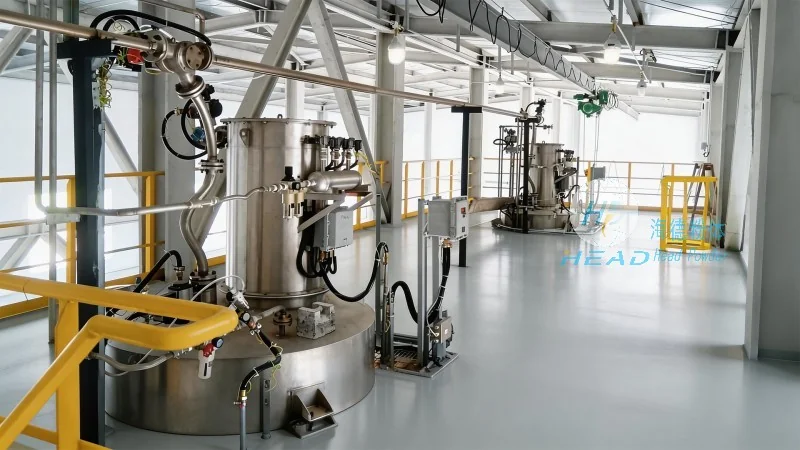
Proper installation and regular maintenance are crucial for the optimal performance and longevity of a PVC pneumatic conveying system. During installation, it is essential to ensure that the pipeline is properly supported and secured to prevent sagging or damage. The pipeline should be checked for any leaks or cracks, as even small defects can lead to pressure losses and reduced system efficiency. The blower and other components should be installed according to the manufacturer's specifications, with proper ventilation and access for maintenance. Regular maintenance involves checking the blower's performance, cleaning the hopper and receiver to prevent material buildup, and inspecting the pipeline for any signs of wear or damage. It is also important to monitor the system's pressure and flow rates to detect any issues early and prevent system failures. By following proper installation and maintenance procedures, the system can operate efficiently and reliably for many years, providing consistent material handling performance.
Conclusion
In conclusion, a PVC pneumatic conveying system is an efficient and versatile material handling solution that utilizes compressed air to transport bulk materials through a pipeline network. The design principle of such a system involves several key components and operational mechanisms that ensure reliable and efficient material transport. The use of PVC in the system provides advantages such as chemical resistance, durability, and flexibility, making it suitable for a wide range of industrial applications. With proper installation and maintenance, a PVC pneumatic conveying system can provide consistent performance and long service life, making it a valuable asset for industrial operations. As industries continue to seek efficient and effective material handling solutions, the PVC pneumatic conveying system remains a popular choice due to its adaptability and reliability.