

What is a Fly Ash Pneumatic Conveying System? And What Are Its Design Principles?
Understanding the Fly Ash Pneumatic Conveying System and Its Design Principles
Introduction to Fly Ash Pneumatic Conveying Systems
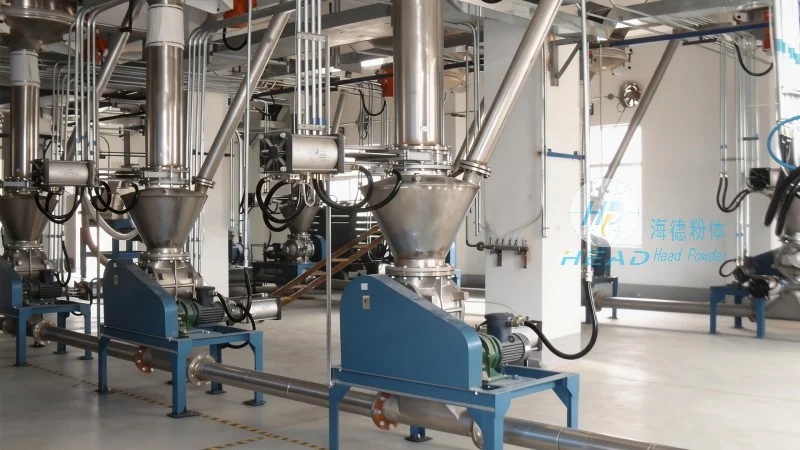
A fly ash pneumatic conveying system is a critical component in industrial processes, particularly in power plants and other facilities that generate fly ash as a byproduct of combustion. This system efficiently transports fly ash from its source to disposal or utilization sites through the use of air pressure. The design of such systems is crucial for ensuring reliable, efficient, and safe operation, which directly impacts the overall performance and sustainability of the facility. In this article, we will explore the fundamental aspects of fly ash pneumatic conveying systems, including their design principles and the key factors that influence their effectiveness.
Key Components of a Fly Ash Pneumatic Conveying System
The fly ash pneumatic conveying system consists of several interconnected components that work together to transport fly ash. These components include the ash hopper, which serves as the storage and feeding unit; the air compressor or blower, which generates the necessary air pressure to move the material; the conveying pipeline, which transports the ash; and the discharge equipment, such as a silo or storage tank. Each component plays a vital role in the system's operation, and their proper design and integration are essential for optimal performance.
Design Principles for Efficient Fly Ash Conveying
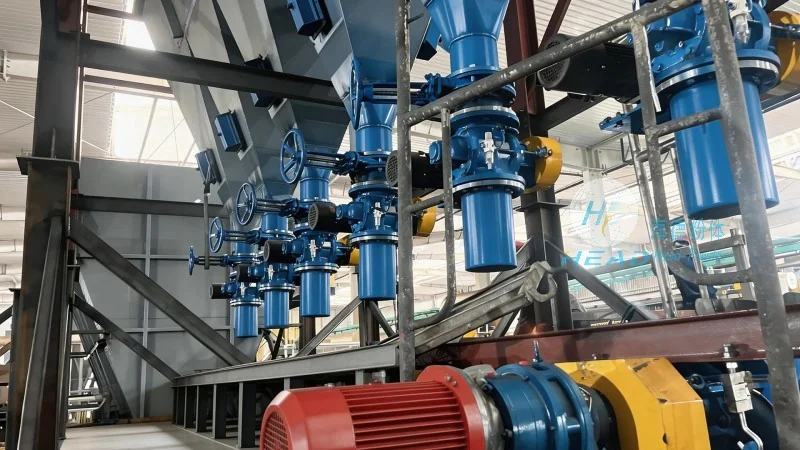
The design of a fly ash pneumatic conveying system is based on several key principles to ensure efficient and reliable operation. One of the primary principles is the selection of appropriate air velocity and pressure. The air velocity must be high enough to keep the fly ash particles suspended in the air stream but not so high as to cause excessive wear on the system components. The pressure level is determined by the distance and elevation changes that the system needs to overcome. Another critical principle is the selection of the right type of conveying pipeline. Typically, flexible hoses or rigid pipes are used, depending on the application and distance. The pipeline diameter and material are also important considerations to minimize pressure drop and prevent blockages.
Feeding and Control Systems in Fly Ash Pneumatic Conveying
The feeding system is responsible for delivering the fly ash from the hopper to the conveying pipeline. This is usually achieved through a rotary valve or a screw feeder, which controls the flow rate of the material. The control system, which may include sensors and automation, monitors the system's performance and adjusts the air pressure and flow rate as needed to maintain optimal operation. Proper control is essential to prevent overloading the system and to ensure that the ash is conveyed at a consistent rate.
Material Handling and Safety Considerations
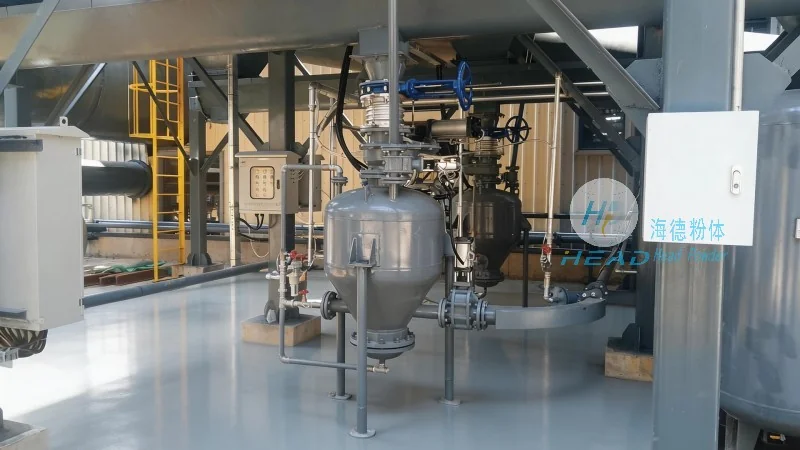
Handling fly ash requires special considerations due to its properties, such as its fine particle size and potential for dust generation. The design of the system must include measures to prevent dust emissions and ensure the safety of personnel. This may include the use of dust collection systems, proper sealing of components, and the implementation of safety protocols. Additionally, the system must be designed to handle the abrasive nature of fly ash, which can cause wear on the conveying pipeline and other components. Materials such as stainless steel or high-quality plastics are often used to minimize wear and extend the system's lifespan.
Applications and Benefits of Fly Ash Pneumatic Conveying Systems
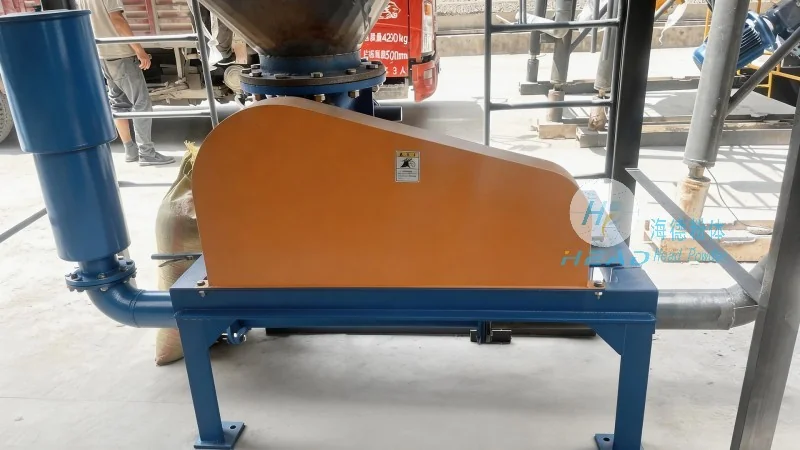
Fly ash pneumatic conveying systems are widely used in various industrial applications, including power plants, cement factories, and waste management facilities. The primary benefits of these systems include improved efficiency in material handling, reduced labor costs, and enhanced safety compared to traditional methods like truck transport. By using a pneumatic system, facilities can minimize the environmental impact of fly ash disposal by transporting it directly to disposal sites or reusing it in other processes. The design of these systems allows for flexibility in terms of distance and layout, making them suitable for a wide range of applications.
About Shandong HeadPowder Engineering Co., Ltd.
Shandong HeadPowder Engineering Co., Ltd. is a leading manufacturer and supplier of fly ash handling equipment, including pneumatic conveying systems. With headquarters in Shandong, China, the company specializes in providing customized solutions for industrial facilities that require efficient and reliable fly ash transport. HeadPowder's team of engineers and technicians has extensive experience in designing and implementing pneumatic conveying systems, ensuring that each project meets the specific needs of the client. The company is committed to quality, innovation, and customer satisfaction, and its products are known for their durability, efficiency, and safety.