

What is a Steel Sand Pneumatic Conveying System? And What Are Its Design Principles?
Steel sand pneumatic conveying systems are specialized industrial equipment used for the efficient transportation of steel sand and similar bulk materials. These systems leverage the principles of pneumatic transport to move materials through a closed pipeline network using air pressure or vacuum. As a key component in material handling processes, understanding the functionality and design principles of such systems is crucial for optimizing industrial operations.
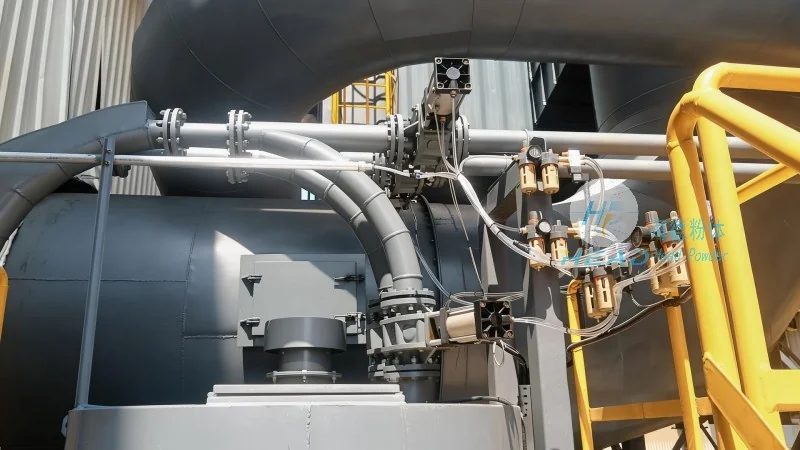
Understanding the Core Functionality of Steel Sand Pneumatic Conveying Systems
A steel sand pneumatic conveying system operates by creating a flow of air within a pipeline. The system typically includes a material feed hopper, a conveying line, a separation or collection unit, and a control system. The process begins when steel sand is fed into the hopper. From there, it is introduced into the pipeline either by the introduction of air under pressure (positive pressure system) or by creating a vacuum (negative pressure system). The air stream then carries the steel sand particles through the pipeline to the destination point, where the material is separated from the air and collected.
Key Design Principles for Steel Sand Pneumatic Conveying Systems
The design of a steel sand pneumatic conveying system involves several critical principles aimed at ensuring efficient, reliable, and safe operation. These principles include the selection of appropriate air velocity, pipeline diameter, and system pressure or vacuum levels. The air velocity must be high enough to overcome the gravitational and frictional forces acting on the steel sand particles but low enough to prevent excessive wear on the pipeline and components. The pipeline diameter is determined based on the material's flow characteristics, particle size distribution, and the required conveying capacity. System pressure or vacuum levels are chosen to balance the conveying distance, material properties, and energy efficiency. Additionally, the system incorporates features such as material separation devices, filters, and pressure relief valves to maintain performance and safety.
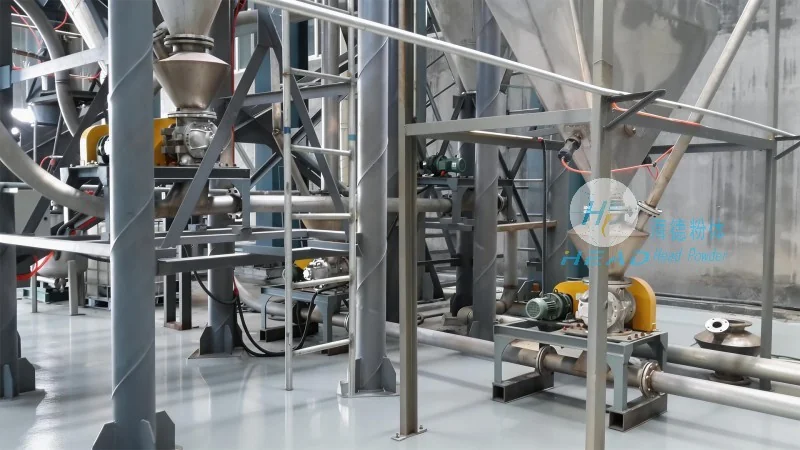
Components and Their Roles in the System
Each component of a steel sand pneumatic conveying system plays a vital role in the overall operation. The material feed hopper ensures a consistent supply of steel sand, preventing blockages and maintaining a steady flow. The conveying line, usually made of durable materials like stainless steel or special alloys, withstands the pressure and abrasion from the steel sand particles. The separation or collection unit, such as a cyclone separator or a bag filter, removes the steel sand from the air stream, allowing the air to be recirculated or discharged. The control system monitors and adjusts the air flow, pressure, and material feed rate to maintain optimal performance. These components work in harmony to ensure the system operates efficiently and reliably.
Applications and Benefits of Steel Sand Pneumatic Conveying Systems
Steel sand pneumatic conveying systems are widely used in various industrial applications, including foundries, steel processing plants, and construction material handling facilities. The primary benefits of these systems include the ability to transport steel sand over long distances without the need for mechanical conveyors, reducing installation costs and space requirements. They also offer improved safety by eliminating the need for manual handling of bulk materials and minimizing dust exposure. Additionally, these systems can handle abrasive materials like steel sand without significant wear, extending the lifespan of components and reducing maintenance costs.
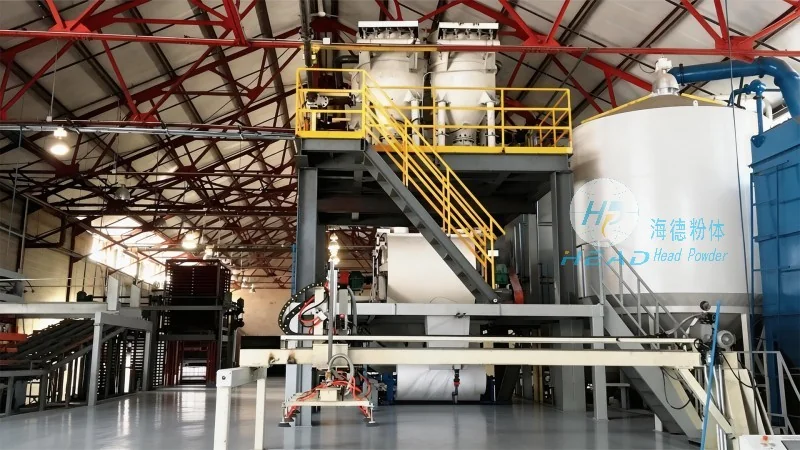
Considerations for System Design and Installation
When designing and installing a steel sand pneumatic conveying system, several factors must be considered to ensure optimal performance. These include the characteristics of the steel sand, such as particle size, density, and abrasiveness, as well as the required conveying distance and capacity. The system's layout must be carefully planned to minimize bends and changes in direction, which can cause pressure losses and material degradation. Proper maintenance, including regular cleaning of filters and inspection of components, is essential to prevent system downtime and ensure long-term reliability. Additionally, compliance with safety regulations and industry standards is crucial to ensure the system operates safely and meets operational requirements.
Conclusion
Steel sand pneumatic conveying systems represent an efficient and effective solution for the transportation of steel sand and similar bulk materials. By understanding the core functionality and design principles of these systems, industries can optimize their material handling processes, improve operational efficiency, and reduce costs. The expertise of companies like Shandong HeadPowder Engineering Co., Ltd., based in China, plays a vital role in the design, manufacturing, and implementation of such systems, ensuring they meet the specific needs of industrial applications.