

What is a Cotton Seed Pneumatic Conveying System? And What Are Its Design Principles?
For those in the agricultural processing industry, particularly those involved in cotton seed handling and transportation, understanding the technology behind efficient material movement is crucial. This article explores the concept of a cotton seed pneumatic conveying system, detailing its operational mechanics and the fundamental design principles that underpin its functionality. By examining the key components and the scientific approach to air-based material transport, we aim to provide a clear understanding of how such systems enhance productivity and operational efficiency in cotton seed processing facilities.
Understanding the Basics of Cotton Seed Pneumatic Conveying
A cotton seed pneumatic conveying system is a specialized piece of equipment designed to transport cotton seeds and other similar bulk materials through a pipeline using air or other gas as the conveying medium. Unlike traditional mechanical conveyors that rely on belts, buckets, or screws, pneumatic systems utilize the force of air to move materials, offering advantages such as flexibility in layout, reduced maintenance, and the ability to handle materials that are dusty or have a tendency to clump together. The core of this technology lies in the efficient combination of air flow, pressure differentials, and appropriate system components to achieve reliable material transport over varying distances and elevations.
Key Components of a Cotton Seed Pneumatic Conveying System
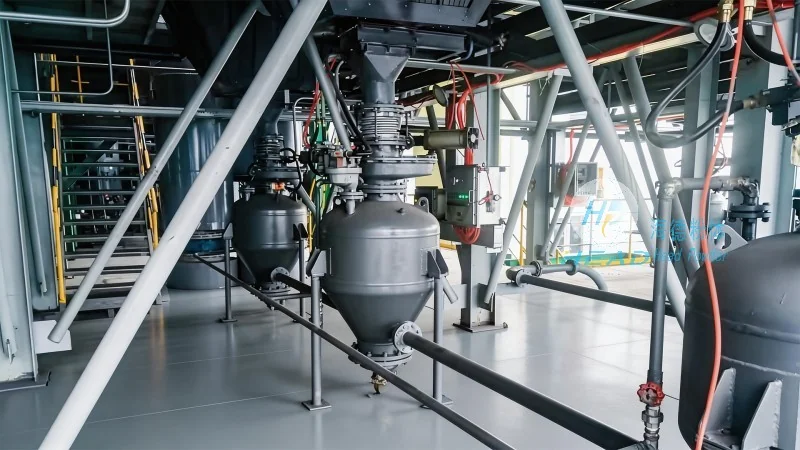
At the heart of any pneumatic conveying system are several critical components that work in tandem to ensure smooth operation. The primary elements include a material feed hopper, which holds the cotton seeds and controls the flow rate; an air compressor or blower that generates the necessary air pressure; a pipeline network that transports the material and air mixture; and a receiver or discharge hopper where the material is collected. Additionally, the system may incorporate components like airlocks, cyclones for separation, and filters to manage dust and ensure clean operation. Each component is carefully selected and sized based on the specific characteristics of the cotton seed, such as particle size, moisture content, and bulk density, to optimize performance and prevent system downtime.
The Design Principles Behind Efficient Pneumatic Conveying
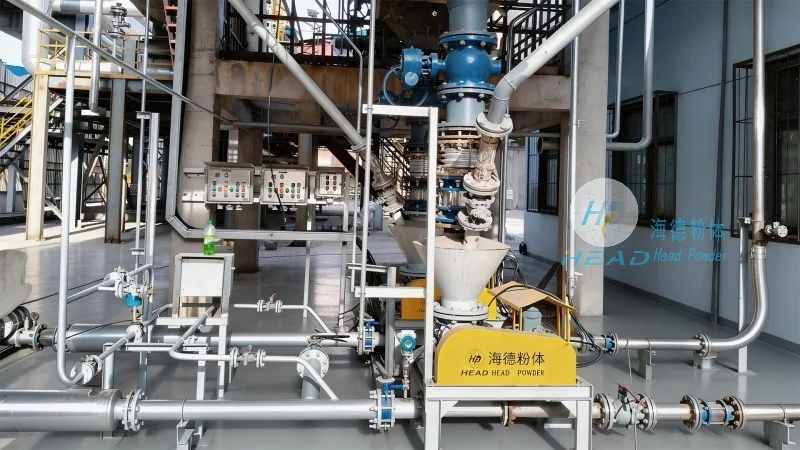
The design of a cotton seed pneumatic conveying system is governed by several fundamental principles that ensure optimal performance and reliability. One of the most critical principles is the balance between air velocity and material velocity. The air velocity must be sufficient to lift and transport the cotton seeds through the pipeline without causing excessive wear on the system components or creating excessive dust. This is often achieved by calculating the required air volume and pressure based on the material's properties and the system's layout. Another key principle is the consideration of pressure differentials, as the system operates under either positive or negative pressure (or a combination of both) to move the material. Positive pressure systems use compressed air to push the material forward, while negative pressure systems use suction to draw the material into the pipeline. The choice between these depends on factors like the distance to be covered and the material's characteristics. Furthermore, the design must account for the system's capacity, ensuring that the air flow rate and pipeline diameter are sufficient to handle the desired throughput without causing bottlenecks or excessive energy consumption. Proper system sizing is essential to maintain efficiency and prevent issues such as material blockages or air leaks.
Advantages of Using a Cotton Seed Pneumatic Conveying System
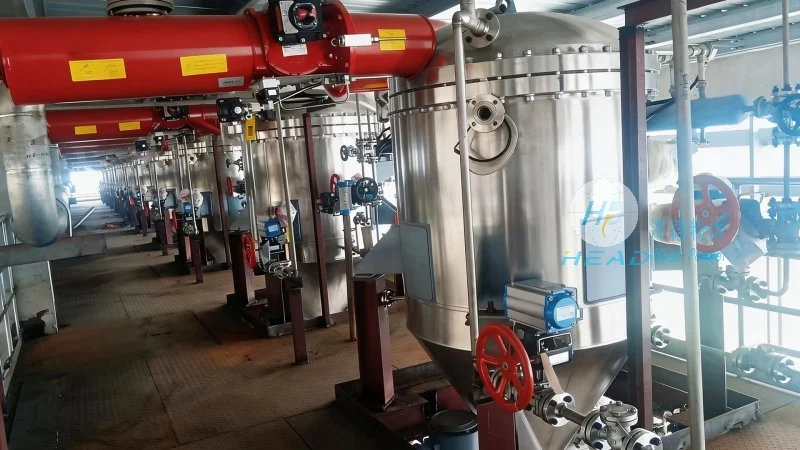
Implementing a pneumatic conveying system for cotton seed handling offers numerous benefits that contribute to improved operational outcomes. One of the most significant advantages is the reduction in labor costs and manual handling, as the system automates the material transport process, minimizing the need for manual loading and unloading. This not only enhances safety by reducing the risk of accidents but also improves the overall efficiency of the processing line. Additionally, pneumatic systems are highly flexible, allowing for easy integration into existing facility layouts and the ability to reconfigure the system as production needs change. The enclosed pipeline design also helps in maintaining the quality of the cotton seeds by preventing contamination from external sources and reducing exposure to moisture or dust. Furthermore, these systems are generally low-maintenance compared to mechanical conveyors, as they have fewer moving parts and are less prone to wear and tear. This results in lower operational costs and longer system lifespans. Finally, the ability to transport materials over long distances and varying elevations without the need for multiple transfer points makes pneumatic conveying an ideal solution for large-scale cotton seed processing operations.
Conclusion and Company Overview
In conclusion, a cotton seed pneumatic conveying system is a sophisticated and efficient solution for the transportation of cotton seeds in agricultural processing facilities. By leveraging the principles of air-based material transport, these systems offer significant advantages in terms of productivity, safety, and operational flexibility. The design of such systems requires careful consideration of material properties, system layout, and operational requirements to ensure optimal performance. For businesses seeking to enhance their cotton seed handling capabilities, investing in a well-designed pneumatic conveying system can lead to substantial improvements in efficiency and overall operational performance. As a leading provider in this field, Shandong HeadPowder Engineering Co., Ltd. specializes in the design, manufacturing, and installation of high-quality pneumatic conveying systems tailored to the specific needs of cotton seed processing operations. With a focus on innovation and customer satisfaction, HeadPowder offers solutions that meet the demands of modern agricultural processing, ensuring reliable and efficient material transport for their clients.