

What is an Alumina Pneumatic Conveying System? And What Are Its Design Principles?
Alumina, a high-purity form of aluminum oxide (Al₂O₃), is a critical material in various industrial applications, including ceramics, refractories, and electronics. The efficient and reliable transport of alumina powder is essential for maintaining production efficiency and product quality. This article explores the concept of an alumina pneumatic conveying system and delves into its fundamental design principles, highlighting the technical aspects that ensure optimal performance.
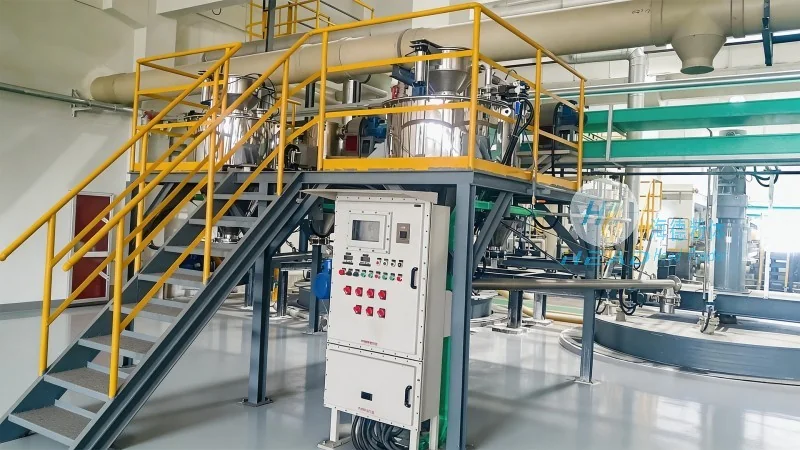
Understanding Alumina Pneumatic Conveying Systems
An alumina pneumatic conveying system is a method of transporting dry powder materials, such as alumina, through a pipeline using compressed air or other gas. Unlike traditional mechanical conveying systems, which rely on physical contact and friction to move materials, pneumatic systems use the force of the gas to propel the powder particles. This approach offers several advantages, including the ability to handle fine powders, minimize product contamination, and maintain a clean and dust-free environment. The system typically consists of a hopper for material storage, a feeder to control the flow rate, a pipeline network, and a receiver for the delivered material. Compressed air is introduced at one end of the pipeline, creating a pressure differential that draws the alumina powder through the system. The design of the system must consider factors such as the particle size, density, and moisture content of the alumina, as well as the required conveying distance and flow rate.
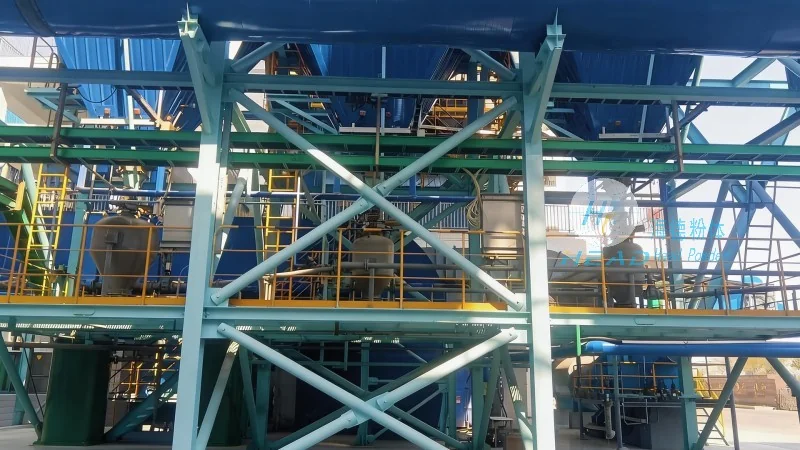
Key Design Principles for Alumina Pneumatic Conveying
The design of an alumina pneumatic conveying system is governed by several critical principles to ensure efficient and safe operation. The first principle is the selection of the appropriate conveying velocity. The velocity must be high enough to prevent particle deposition and blockages but low enough to avoid excessive wear on the pipeline and components. The relationship between velocity and particle size is crucial; larger particles require higher velocities to maintain suspension. The second principle is the pressure drop across the system. The pressure drop is the difference between the inlet and outlet pressures and is a measure of the energy required to transport the material. Proper design minimizes unnecessary pressure losses, which can reduce system efficiency and increase energy consumption. The third principle is the use of appropriate pipeline materials and dimensions. The pipeline must be constructed from materials that are resistant to corrosion and abrasion, as alumina particles can be abrasive. The diameter of the pipeline is determined by the flow rate and velocity, ensuring that the system operates within the optimal range. Additionally, the system may incorporate features such as bends, expansions, and contractions to manage the flow and prevent turbulence or particle separation.
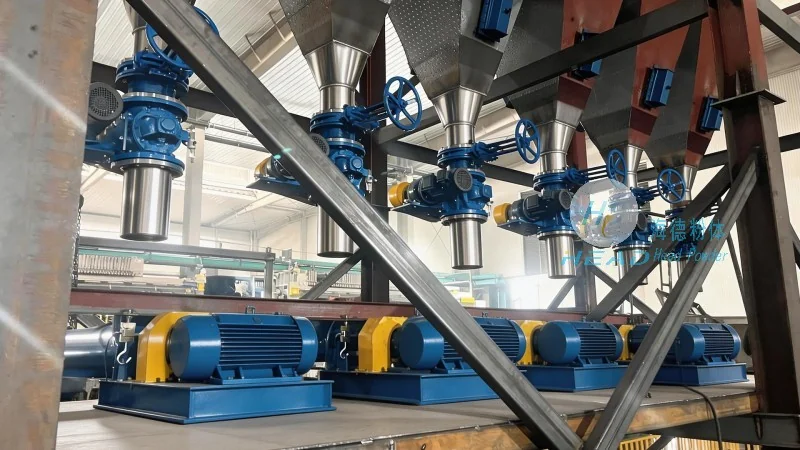
Components and Their Roles in the System
Each component of an alumina pneumatic conveying system plays a vital role in the overall performance. The hopper serves as the storage vessel, providing a large capacity to hold the alumina powder and ensuring a consistent feed to the system. The hopper is typically equipped with a discharge valve or feeder that controls the flow rate, preventing overloading or underloading of the system. The feeder, often a rotary valve or a mass flow meter, regulates the amount of alumina entering the pipeline, maintaining a steady flow. The pipeline itself is the primary conduit for the material and gas, and its design must account for the pressure and flow requirements. The receiver is the final component, where the alumina is deposited after being conveyed through the system. It is usually a large tank or bin that can hold the material and is equipped with a discharge valve for downstream processing. The compressed air system, including the compressor, air dryer, and filters, provides the necessary pressure and clean air to operate the conveying process. The compressor generates the high-pressure air, while the dryer removes moisture and the filters remove contaminants, ensuring that the air is suitable for transporting the alumina without causing degradation or contamination.
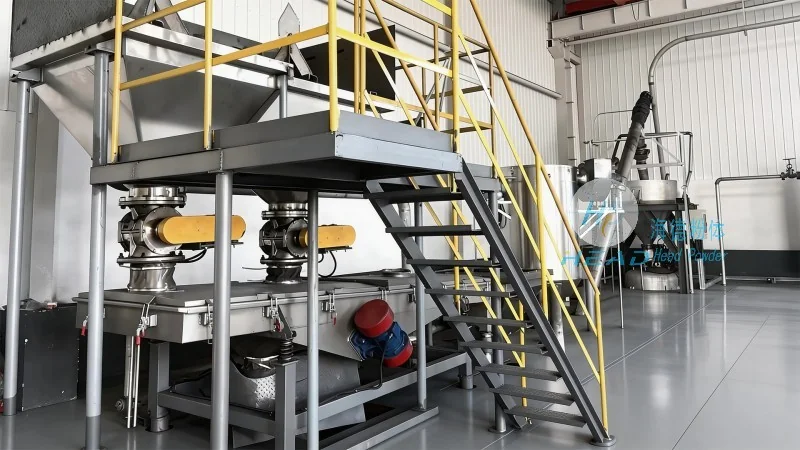
Advantages of Alumina Pneumatic Conveying Systems
Compared to other conveying methods, alumina pneumatic conveying systems offer several advantages that make them a preferred choice in many industries. One of the primary benefits is the ability to handle fine and abrasive powders without causing damage or degradation. The lack of physical contact between the particles and the system components minimizes wear and tear, extending the lifespan of the equipment. Another advantage is the reduced risk of product contamination. Since the system operates in a closed environment, there is minimal exposure to external contaminants, ensuring that the alumina remains pure and meets the required specifications. The system also offers flexibility in terms of layout and installation. The pipeline can be configured to follow the existing plant layout, allowing for easy integration into existing production lines. Additionally, pneumatic conveying systems can be easily scaled up or down to accommodate changes in production volume, providing adaptability to varying operational needs. The energy efficiency of the system is another key advantage. By optimizing the pressure drop and conveying velocity, the system can operate with minimal energy consumption, reducing operational costs and environmental impact.