

What is a Calcined Sand Pneumatic Conveying System? What are the Design Principles?
For industrial applications requiring efficient and reliable material handling, the calcined sand pneumatic conveying system stands out as a critical solution. This system is engineered to transport calcined sand—a material often used in construction, refractory, and other industrial processes—through an air-driven mechanism. Understanding its functionality and design principles is essential for optimizing material flow and operational efficiency.
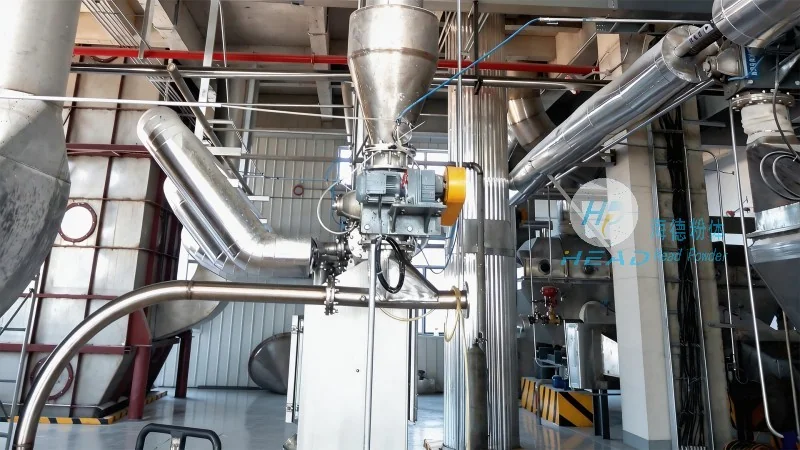
Introduction to Calcined Sand Pneumatic Conveying Systems
A calcined sand pneumatic conveying system is a type of pneumatic conveying equipment designed to move calcined sand from a source to a destination using compressed air or other gas. Unlike traditional mechanical conveying methods, this system relies on the force of air to transport the material, making it ideal for applications where dust control, minimal material degradation, and flexibility are paramount. The system typically consists of several key components, including a hopper, feeder, conveying line, and receiver, all working in tandem to ensure smooth material transfer.
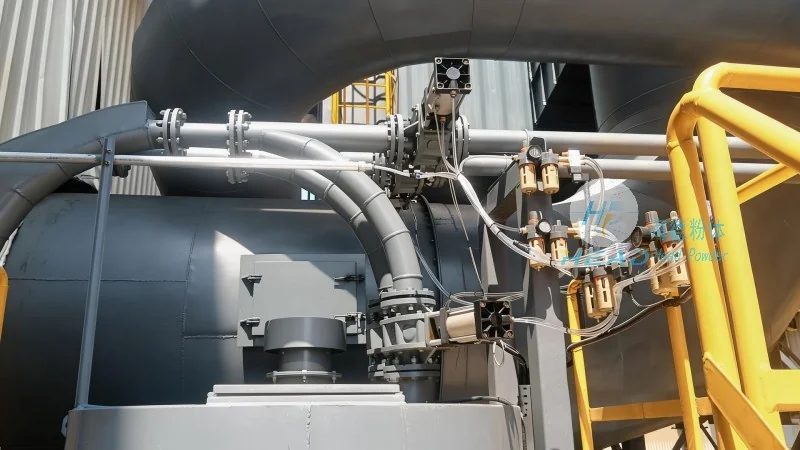
Key Components of the System
The calcined sand pneumatic conveying system comprises several essential parts that work together to facilitate efficient material transport. The hopper serves as the storage container for the calcined sand, providing a consistent feed to the feeder. The feeder, often a rotary valve or screw feeder, regulates the flow of sand into the conveying line, ensuring a controlled and steady supply. The conveying line, usually made of metal or plastic, is where the material is propelled by the air stream. The receiver, or discharge hopper, collects the material at the destination, completing the transport process. Additionally, the system may include a filter and dust collector to manage air quality and prevent dust emissions, which is crucial for maintaining a safe and clean working environment.
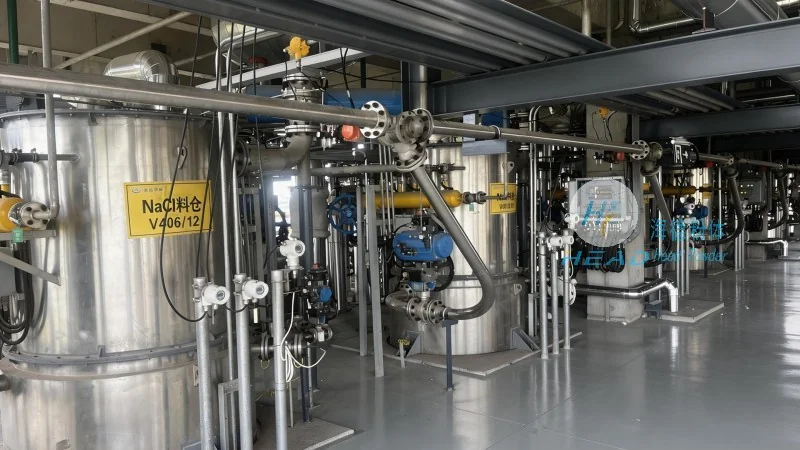
Design Principles for Optimal Performance
The design of a calcined sand pneumatic conveying system is guided by several key principles to ensure high efficiency, reliability, and durability. One of the primary principles is the selection of appropriate air velocity and pressure. The air velocity must be sufficient to overcome the material's resistance and carry the sand particles through the conveying line without causing excessive wear or degradation. The pressure is typically maintained at a level that balances energy efficiency with the ability to transport the material over the required distance. Another critical principle is the proper sizing of the conveying line and components. The diameter of the line is determined based on the material's flow rate and particle size, ensuring that the air can effectively move the sand without causing blockages or excessive pressure drops. The system also incorporates features such as airlocks and check valves to prevent backflow and maintain consistent material flow. These design elements are crucial for preventing material buildup, reducing maintenance, and extending the system's operational life.
Advantages of Using a Calcined Sand Pneumatic Conveying System
Implementing a calcined sand pneumatic conveying system offers numerous advantages for industrial operations. One of the most significant benefits is the ability to handle calcined sand in a dust-free environment, which enhances workplace safety and reduces the risk of respiratory issues associated with dust exposure. The system also minimizes material degradation, as the air-driven mechanism prevents the sand from being crushed or broken down during transport, preserving its quality for downstream processes. Additionally, the flexibility of the system allows for easy integration with existing industrial setups, enabling seamless material transfer between different locations or processing stages. The system's compact design and low maintenance requirements further contribute to its appeal, as it occupies less space compared to traditional mechanical conveyors and requires less frequent repairs. Overall, the calcined sand pneumatic conveying system provides a reliable, efficient, and cost-effective solution for handling calcined sand in various industrial applications.
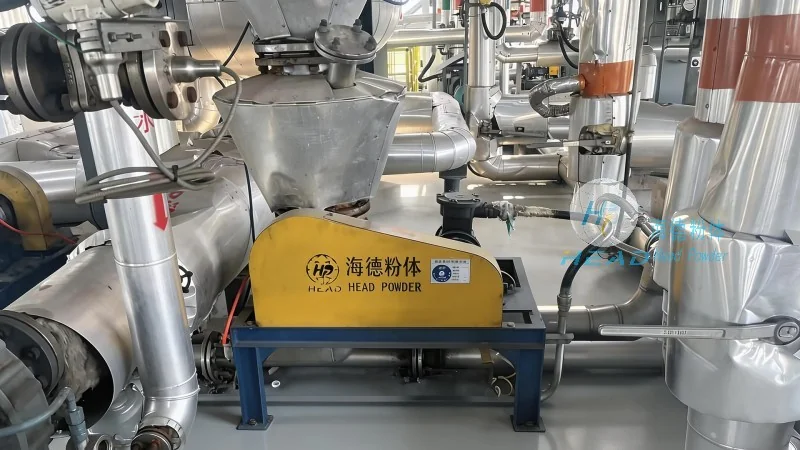
Conclusion
In conclusion, the calcined sand pneumatic conveying system is a sophisticated and efficient solution for transporting calcined sand in industrial settings. Its design, based on principles of air velocity, pressure, and component sizing, ensures optimal performance and reliability. The system's advantages, including dust control, material preservation, and flexibility, make it an ideal choice for industries such as construction, refractory, and manufacturing. By understanding the key components and design principles, businesses can leverage this technology to enhance their material handling processes and improve overall operational efficiency. As a leading provider in this field, Shandong HeadPowder Engineering Co., Ltd. specializes in designing and manufacturing high-quality calcined sand pneumatic conveying systems tailored to meet the specific needs of industrial clients.