

What is a Gypsum Pneumatic Conveying System? Understanding Its Design Principles
When it comes to handling gypsum in industrial applications, the choice of a reliable and efficient conveying system is crucial. A gypsum pneumatic conveying system offers a solution that minimizes material handling issues while ensuring smooth operation. This article delves into what a gypsum pneumatic conveying system entails and explores the key design principles that underpin its functionality.
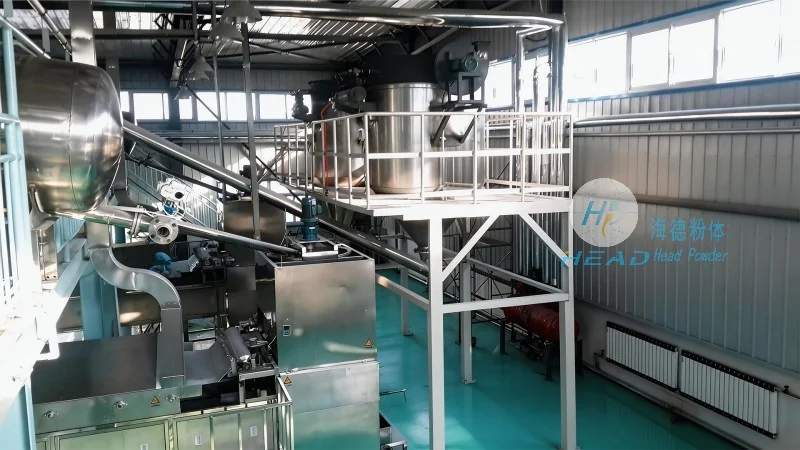
Gypsum Pneumatic Conveying System: An Overview
A gypsum pneumatic conveying system is a technology used to transport dry, powdered materials like gypsum through a pipeline using air or gas as the conveying medium. Unlike traditional mechanical conveyors, this system relies on the force of air to move the material, making it particularly suitable for handling fine powders that are prone to dust and caking. The system typically consists of several components, including a hopper for material storage, a feeder to control the flow rate, a conveying line, and a receiver for the discharged material. The entire setup is designed to maintain the integrity of the gypsum while ensuring efficient transport from the source to the destination.
Key Design Principles for Gypsum Pneumatic Conveying
The design of a gypsum pneumatic conveying system involves several critical principles aimed at optimizing performance, minimizing energy consumption, and ensuring the longevity of the equipment. One of the primary considerations is the selection of the appropriate conveying air velocity. The velocity must be high enough to prevent material settling in the pipeline but low enough to avoid excessive wear on the system components. Engineers often use the "critical velocity" concept, which is the minimum air velocity required to keep the material in suspension. For gypsum, this velocity typically ranges between 20 to 30 meters per second, depending on the particle size and density.
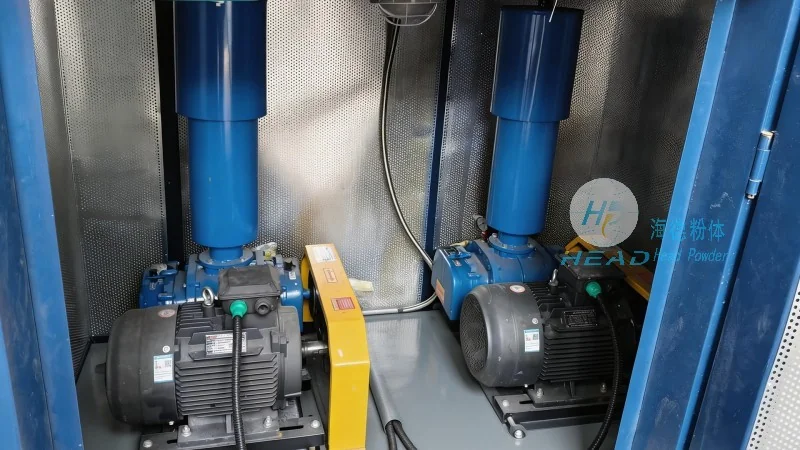
Another crucial design principle is the system's pressure and flow rate management. Gypsum pneumatic conveying systems can operate under either positive or negative pressure, depending on the application. Positive pressure systems push the material through the pipeline using compressed air, while negative pressure systems draw the material in using a vacuum. The choice between these two depends on factors such as the distance to be covered and the need to prevent dust emissions. The system's design must also account for the pressure drop along the pipeline, which is influenced by the length, diameter, and bends of the conveying line. Proper sizing of the pipeline and the use of smooth, low-friction materials are essential to minimize energy losses and maintain consistent flow rates.
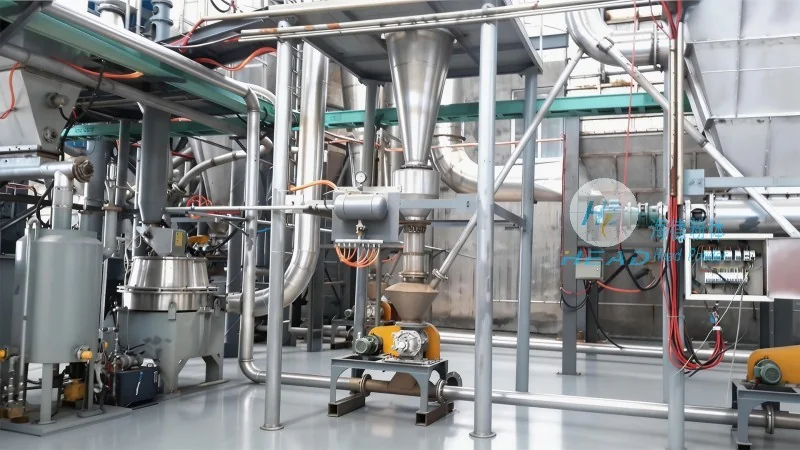
Material Handling Considerations in Gypsum Conveying
Handling gypsum, a fine, dry powder, requires special attention to prevent issues like caking, agglomeration, and dust generation. The design of the system must incorporate features that maintain the material's flowability. For instance, the hopper and feeder are often equipped with agitators or vibrators to prevent material bridging and ensure a consistent feed rate. The use of a rotary valve or a star feeder at the discharge end helps control the material flow and prevents backflow or blockages. Additionally, the system may include dust collection and filtration components to comply with environmental regulations and maintain a clean working environment.
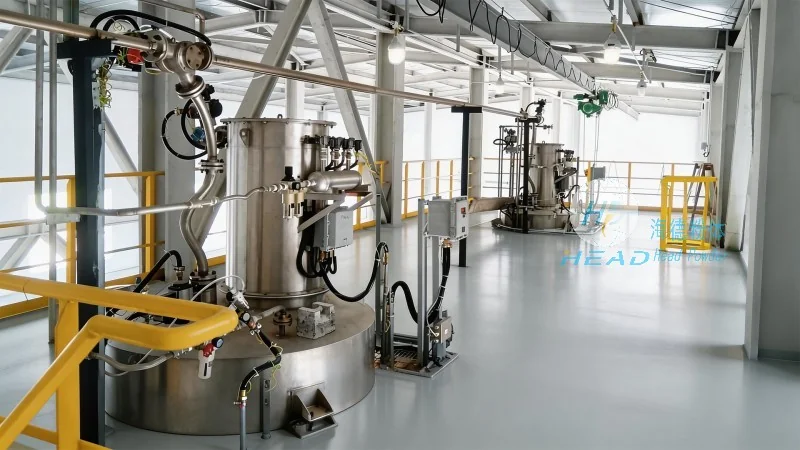
System Integration and Maintenance
A well-designed gypsum pneumatic conveying system is not just about the components but also about how they integrate with the overall process. The system must be compatible with other equipment such as crushers, classifiers, and storage silos. Proper integration ensures that the material is processed efficiently without interruptions. Maintenance is another critical aspect of the system's design. Regular cleaning of the pipeline, replacement of worn parts, and monitoring of air pressure and flow rates are essential to prevent system failures and extend the equipment's lifespan. The use of durable materials, such as stainless steel or special coatings, can enhance the system's resistance to corrosion and wear, which is particularly important when handling gypsum, which can be abrasive.
Conclusion
In conclusion, a gypsum pneumatic conveying system is a sophisticated solution for transporting gypsum efficiently and safely. The design principles, including appropriate air velocity, pressure management, and material handling considerations, are vital to ensure the system's effectiveness. By understanding these principles and incorporating them into the system's design, manufacturers can develop reliable conveying solutions that meet the demands of industrial applications. As a leading provider in this field, Shandong HeadPowder Engineering Co., Ltd. specializes in designing and manufacturing customized gypsum pneumatic conveying systems tailored to the specific needs of their clients, ensuring optimal performance and long-term reliability.