

What is a Steel and Lime Pneumatic Conveying System? And What Are Its Design Principles?
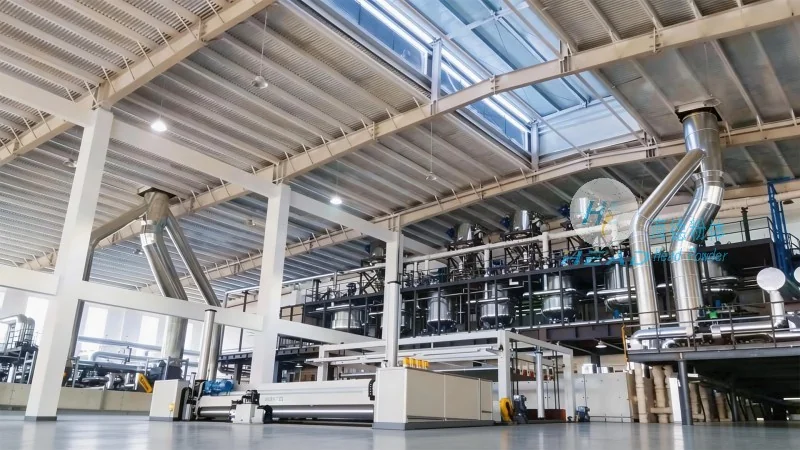
Steel and lime pneumatic conveying systems are advanced industrial solutions designed to transport bulk materials like steel powders or lime particles through a pressurized or vacuum environment. These systems are widely used in the steel and chemical industries due to their efficiency, safety, and ability to handle abrasive or dusty materials. Understanding the core components and design principles behind such systems is crucial for optimizing material handling processes in modern manufacturing facilities.
Introduction to Steel and Lime Pneumatic Conveying Systems
A pneumatic conveying system operates by using air or gas to move solid materials through a pipeline. In the context of steel and lime, these systems are engineered to handle materials that are often fine, abrasive, or require precise control during transport. The primary goal is to ensure reliable, dust-free, and efficient material transfer from the source to the destination, minimizing downtime and operational costs. Such systems are particularly valuable in applications where traditional belt or bucket elevators may not be suitable due to the nature of the materials or the layout of the facility.
Design Principles of Pneumatic Conveying Systems for Steel and Lime
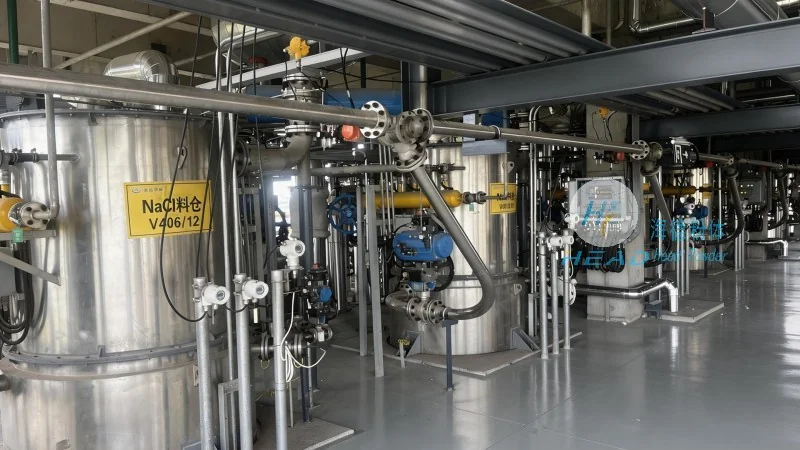
The design of a steel and lime pneumatic conveying system involves several key principles to ensure optimal performance. First, the system must be capable of handling the specific physical properties of the materials, such as particle size, density, and moisture content. Engineers must consider the material's flowability and potential for caking or agglomeration, which can affect the system's efficiency. Second, the system's pressure and flow rate must be carefully calibrated to maintain consistent material transport without causing excessive wear on components or creating excessive dust emissions. Third, the design must incorporate effective dust control measures, as steel and lime powders can be hazardous if not properly contained. This includes features like cyclone separators, filters, and enclosed pipelines to ensure a clean and safe working environment.
Key Components and Their Functions
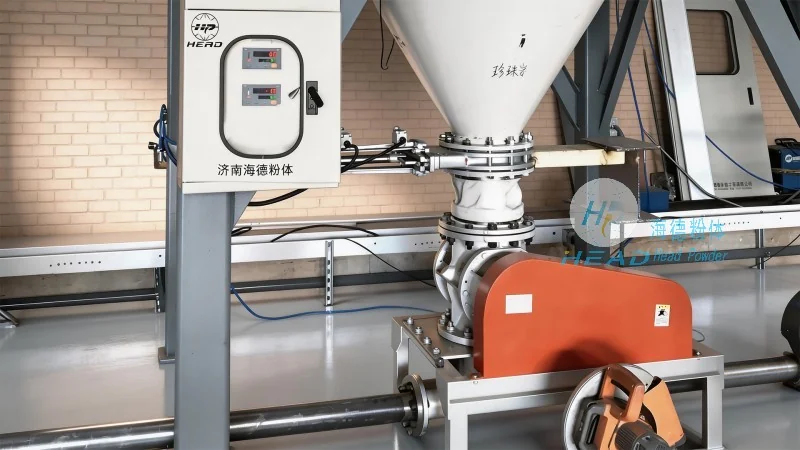
At the heart of a pneumatic conveying system are several critical components that work in tandem to achieve efficient material transport. The feed hopper is the initial point where the material is introduced into the system, often equipped with a rotary valve or screw feeder to control the flow rate. The conveying line consists of metal pipes that carry the material and air mixture, with the choice of pipe material (e.g., stainless steel or carbon steel) depending on the material's corrosiveness and abrasiveness. The air supply system provides the necessary pressure or vacuum, typically using a blower or vacuum pump, and may include a filter to remove contaminants from the air. The separator is a critical component that separates the material from the air at the end of the line, often using a cyclone or bag filter. Finally, the dust collection system ensures that any residual dust is captured and disposed of safely, preventing environmental contamination and maintaining workplace safety.
Application in Steel and Lime Industries
Steel and lime pneumatic conveying systems find extensive applications in both the steel and chemical sectors. In steel production, these systems are used to transport raw materials such as limestone, dolomite, or iron ore to the blast furnace or sintering plant. They are also employed in the handling of steel powders for powder metallurgy applications, where precise control over particle size and distribution is essential. In the lime industry, pneumatic conveying systems are used to transport lime from storage silos to kilns or to deliver finished lime products to packaging or shipping areas. The ability to handle high volumes of material with minimal human intervention makes these systems ideal for large-scale industrial operations.
Advantages of Using Pneumatic Conveying Systems
Implementing a pneumatic conveying system for steel and lime handling offers numerous advantages over traditional methods. One of the most significant benefits is the reduction in labor costs, as automated systems minimize the need for manual handling of bulk materials. Additionally, these systems provide a more hygienic and dust-free environment, which is crucial in food processing or pharmaceutical applications where steel or lime products are used. The enclosed nature of the system also enhances safety by preventing dust explosions and minimizing exposure to harmful particles. Furthermore, pneumatic conveying systems can be designed to handle a wide range of material types and flow rates, making them highly versatile for various industrial needs. Finally, the energy efficiency of modern pneumatic systems, particularly those using pressure or vacuum, can lead to long-term cost savings compared to other material handling methods.
Conclusion and Company Overview
Steel and lime pneumatic conveying systems represent a sophisticated solution for efficient bulk material transport in industrial settings. By adhering to sound design principles and utilizing appropriate components, these systems can significantly improve operational efficiency, safety, and environmental compliance. As a leading provider in the field, Shandong HeadPowder Engineering Co., Ltd., based in Shandong, China, specializes in the design, manufacturing, and installation of such systems tailored to the specific requirements of steel and lime processing facilities. With a focus on quality and innovation, the company ensures that its clients receive reliable and durable solutions that meet industry standards and enhance overall productivity.