

What is a Polycarbonate Pneumatic Conveying System? What are its Design Principles?
Polycarbonate pneumatic conveying systems represent a sophisticated method for transporting bulk materials through a pressurized air or gas stream. These systems are widely utilized across various industries due to their efficiency, flexibility, and ability to handle a broad range of materials. In this article, we will explore the fundamental concepts of such systems and delve into the design principles that underpin their operation.
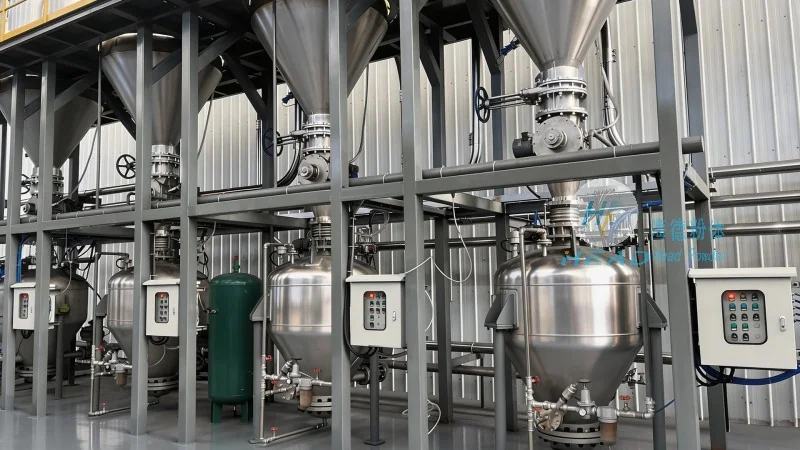
Understanding the Core Function of Polycarbonate Pneumatic Conveying Systems
The primary function of a polycarbonate pneumatic conveying system is to move bulk materials from one location to another without the need for mechanical components like belts or screws. Instead, the system relies on the force of compressed air or gas to create a flow that carries the material through a pipeline. This method is particularly advantageous for materials that are abrasive, dusty, or sensitive to contamination, as the enclosed system minimizes exposure to the environment.
Design Principles Behind Polycarbonate Pneumatic Conveying Systems
The design principles of polycarbonate pneumatic conveying systems are centered on maintaining a consistent flow of material and air within the system. Key factors include the pressure differential between the inlet and outlet, the velocity of the air stream, and the size and shape of the conveying line. Engineers must calculate the necessary air volume and pressure to ensure that the material is adequately suspended and transported without causing excessive wear on the system components. The use of polycarbonate, a durable and lightweight polymer, is critical as it provides resistance to impact, chemicals, and temperature fluctuations, making it suitable for a variety of industrial applications.
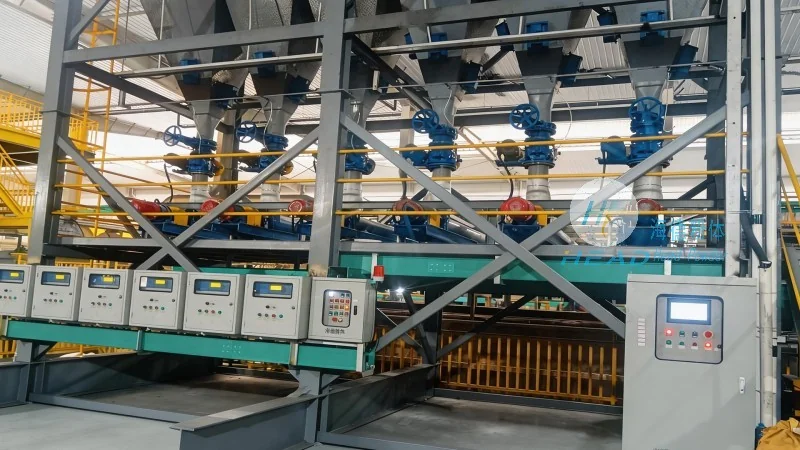
Key Components and Their Roles in the System
Several key components work together to ensure the effective operation of a polycarbonate pneumatic conveying system. These include the material hopper, which stores the bulk material and feeds it into the system; the air compressor, which generates the necessary pressure to move the material; the conveying line, typically made of polycarbonate or other durable materials, which transports the material and air mixture; and the receiver, which collects the material at the destination. Additionally, components like filters, cyclones, and valves are used to control the flow, separate air from material, and regulate pressure, ensuring smooth and efficient operation.
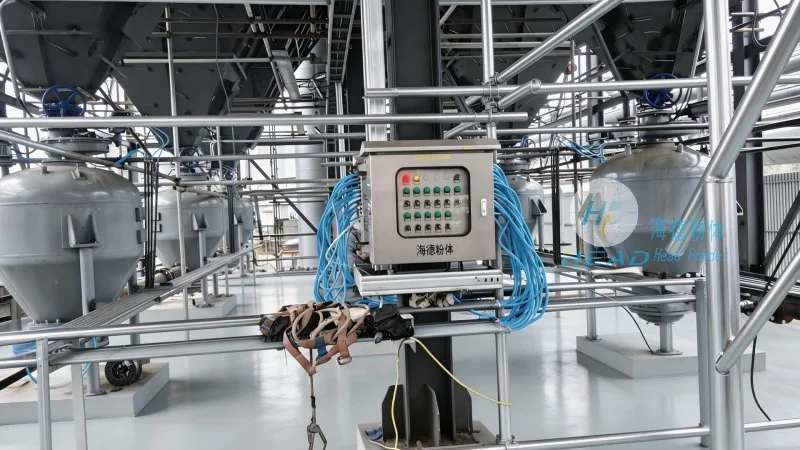
Advantages of Using Polycarbonate Materials in Pneumatic Conveying
Polycarbonate is chosen for its exceptional properties that enhance the performance and longevity of pneumatic conveying systems. Its high impact resistance makes it ideal for handling abrasive materials that could otherwise damage traditional plastic or metal components. The material is also resistant to a wide range of chemicals, including acids and solvents, which is crucial for industries dealing with corrosive substances. Furthermore, polycarbonate has good thermal stability, allowing it to operate in environments with varying temperatures without degrading. These properties, combined with its lightweight nature, reduce the overall weight of the system and lower installation costs.
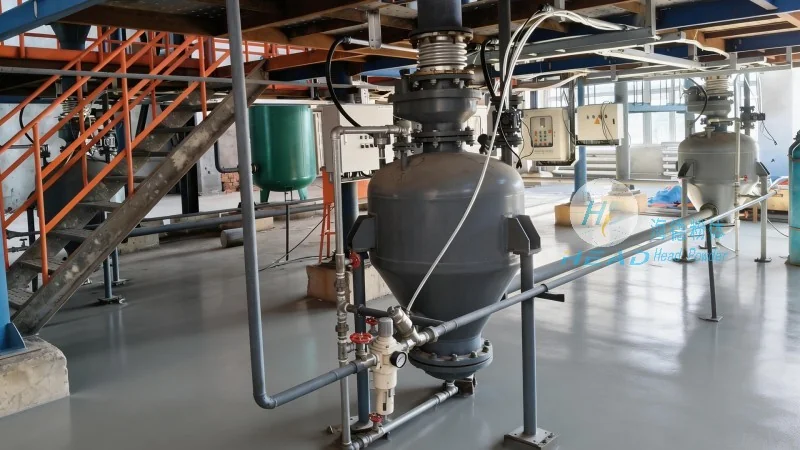
Application Scenarios and Practical Considerations
Polycarbonate pneumatic conveying systems are commonly used in industries such as pharmaceuticals, food processing, and chemical manufacturing. In pharmaceutical applications, the enclosed system ensures that materials are handled in a sterile environment, preventing contamination and maintaining product quality. In food processing, the system is used to transport ingredients like powders and granules, where hygiene and safety are paramount. Chemical manufacturers benefit from the system's resistance to corrosion and its ability to handle hazardous materials safely. When selecting a system, factors such as material properties (e.g., density, moisture content), system length, and the required flow rate must be considered to ensure optimal performance.
About Shandong HeadPowder Engineering Co., Ltd.
Shandong HeadPowder Engineering Co., Ltd. is a leading provider of industrial equipment, specializing in the design and manufacturing of polycarbonate pneumatic conveying systems. With a strong commitment to quality and innovation, the company has established itself as a trusted partner in the industry. HeadPowder's systems are engineered to meet the specific needs of clients, ensuring reliability and efficiency in material handling processes. The company's headquarters is located in Shandong, China, where it operates a state-of-the-art facility for research, development, and production. By leveraging advanced technology and expertise, HeadPowder continues to deliver high-performance solutions that enhance productivity and safety in various industrial applications.