

What Are Dust Extraction Station Pneumatic Conveying Equipment? And What Are Their Design Principles
Dust extraction stations are critical components in industrial environments where airborne particles need to be managed efficiently. One of the key technologies used in these systems is pneumatic conveying equipment, which facilitates the transport of bulk materials through a pressurized or vacuumed air stream. This article explores what dust extraction station pneumatic conveying equipment is and delves into the fundamental design principles that govern its operation.
Understanding Dust Extraction Station Pneumatic Conveying Equipment
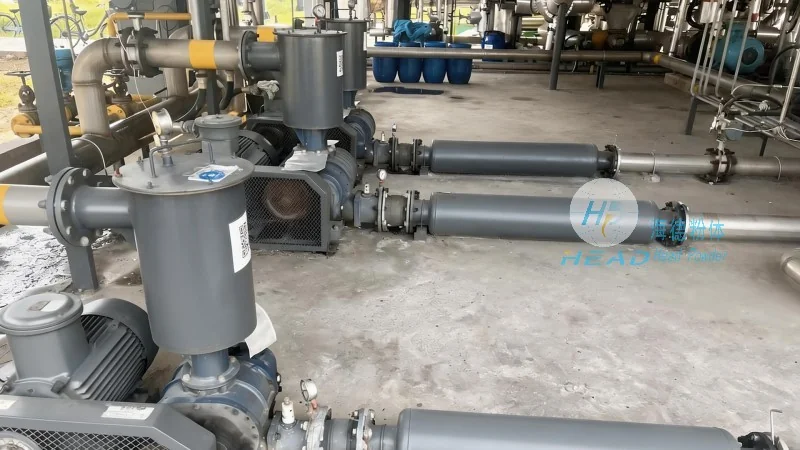
Pneumatic conveying systems in dust extraction stations are designed to collect, transport, and deposit dust-laden particles from various industrial processes. These systems typically consist of a dust collector, a conveying line, and a material discharge unit. The core of the system is the pneumatic conveyor, which uses air pressure or vacuum to move the material. There are two main types of pneumatic conveying: pressure and vacuum systems. Pressure systems use compressed air to push the material through the pipeline, while vacuum systems use a vacuum to pull the material. The choice between these systems depends on factors such as the distance to be covered, the material's properties, and the required flow rate.
The Role of Dust Extraction Stations in Industrial Air Quality
Dust extraction stations are integral to maintaining air quality in industrial settings. They capture airborne particles before they can be released into the environment, thereby reducing health risks for workers and minimizing environmental impact. The effectiveness of a dust extraction system is largely determined by the efficiency of its conveying equipment. Pneumatic conveying is preferred in many applications due to its ability to handle a wide range of materials, including fine powders and granules, without the need for mechanical components that could cause blockages or wear.
Design Principles of Pneumatic Conveying Systems
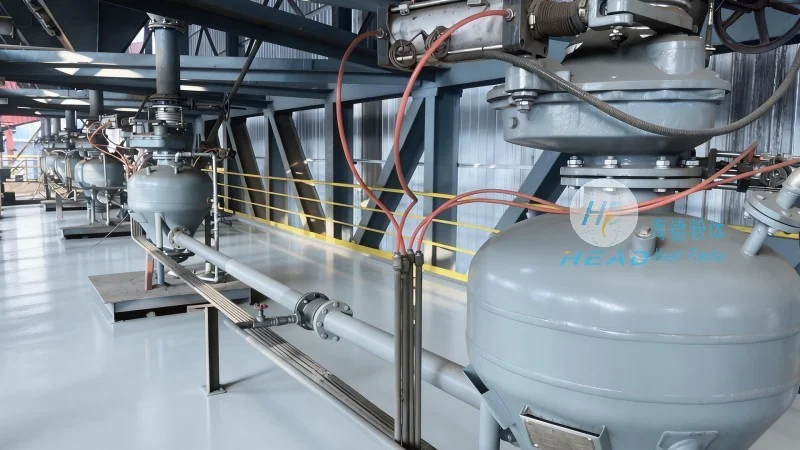
The design of a pneumatic conveying system for dust extraction stations involves several key principles. First, the system must be able to handle the specific characteristics of the material being conveyed, such as particle size, density, and moisture content. This influences the selection of the air velocity and the diameter of the conveying line. Second, the system must maintain a consistent flow rate to ensure reliable material transport. This is achieved through proper sizing of the air compressor or vacuum pump and the use of appropriate control valves. Third, the system must be designed to minimize pressure losses and energy consumption. This is critical for cost-effectiveness and operational efficiency. Additionally, the system must incorporate features to prevent material buildup and blockages, such as bends, filters, and cleaning mechanisms.
Components and Their Functions in Pneumatic Conveying Equipment
A typical pneumatic conveying system for dust extraction stations includes several key components. The dust collector, often a cyclone or bag filter, captures the particles from the air stream and separates them from the air. The material is then collected in a hopper or bin. The conveying line, usually made of metal or plastic, transports the material from the dust collector to the discharge point. The air source, which can be a compressor for pressure systems or a vacuum pump for vacuum systems, provides the necessary pressure or vacuum. Control valves, such as airlocks and check valves, regulate the flow of material and air. Finally, the discharge unit, which may be a rotary valve or a gate valve, controls the release of the material into the next process or storage area.
Advantages of Pneumatic Conveying in Dust Extraction
Pneumatic conveying offers several advantages over other material handling methods in dust extraction applications. It is a closed system, which prevents dust from escaping into the environment and reduces the risk of contamination. It is also flexible, as the conveying line can be easily reconfigured to accommodate changes in the process layout. Pneumatic conveying is also relatively low maintenance compared to mechanical systems, as it has fewer moving parts. Furthermore, it can handle a wide range of materials, including those that are abrasive or corrosive, without causing damage to the equipment.
Considerations for Selecting the Right Pneumatic Conveying System
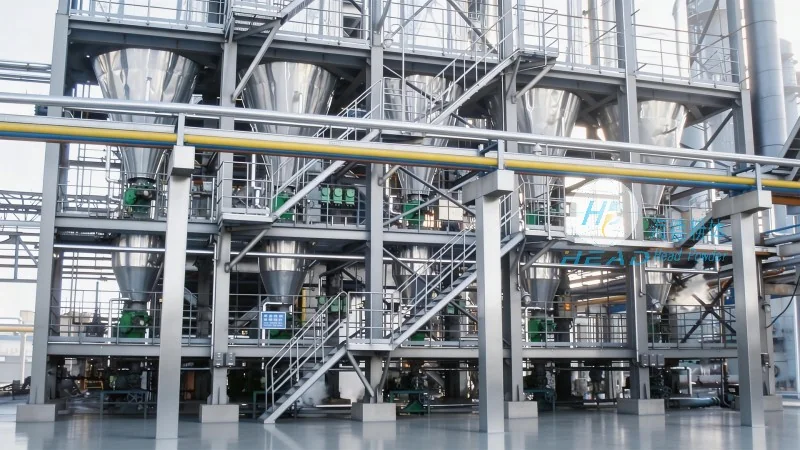
When selecting a pneumatic conveying system for a dust extraction station, several factors must be considered. The first is the material's properties, as mentioned earlier. The second is the distance and layout of the conveying line, as this affects the required air velocity and pressure. The third is the required flow rate, which determines the size of the air compressor or vacuum pump. The fourth is the environmental regulations, as some systems may need to meet specific emission standards. Finally, the cost of the system, including installation and maintenance, should be considered. It is important to work with a reputable supplier, such as Shandong HeadPowder Engineering Co., Ltd., which specializes in dust extraction and pneumatic conveying systems, to ensure that the right system is selected for the specific application.
Conclusion
Dust extraction station pneumatic conveying equipment is a vital technology in modern industrial processes. It enables the efficient and safe transport of dust-laden materials, contributing to better air quality and operational efficiency. The design principles of these systems are carefully considered to ensure they meet the specific needs of the application. By understanding the components and functions of the system, as well as the advantages and considerations for selection, industrial facilities can choose the most suitable pneumatic conveying system for their dust extraction needs. Shandong HeadPowder Engineering Co., Ltd., with its expertise in dust extraction and pneumatic conveying, can provide the necessary solutions to meet these requirements.