

What is a Salt Air-Pneumatic Conveying Equipment? What are its Design Principles?
For industries dealing with bulk solid materials like salt, efficient and reliable material handling is crucial. A salt air-pneumatic conveying equipment is a specialized system designed to transport salt from one location to another using compressed air. This technology offers a non-contact, low-maintenance solution that minimizes product contamination and reduces operational costs compared to traditional mechanical conveying methods. The design of such equipment is tailored to the unique properties of salt, including its particle size, density, and flow characteristics, ensuring optimal performance in various industrial applications.
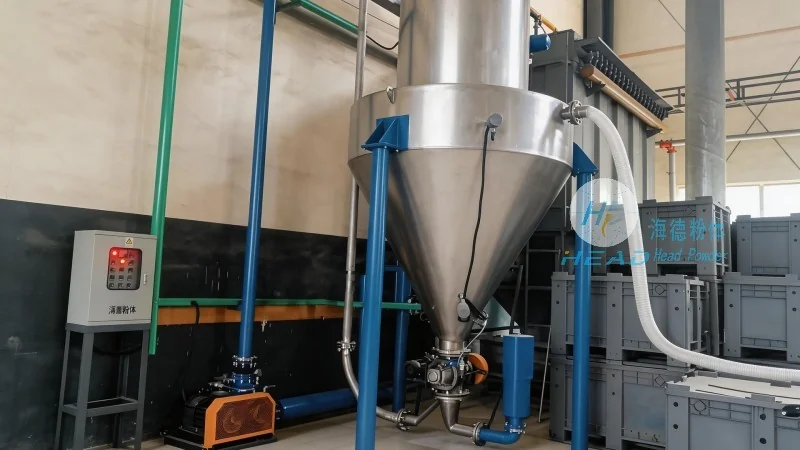
Company Profile: Shandong HeadPowder Engineering Co., Ltd.
HeadPowder, a leading manufacturer based in Shandong, China, specializes in the design, development, and production of advanced material handling equipment. With a strong focus on innovation and customer-centric solutions, the company has established itself as a trusted partner for industries requiring efficient bulk material transport solutions. HeadPowder's facilities in Shandong are equipped with state-of-the-art technology and skilled engineering teams, enabling the company to deliver high-quality, customized air-pneumatic conveying systems that meet the specific needs of clients worldwide.
Design Principles of Air-Pneumatic Conveying Systems for Salt
The core design principle of an air-pneumatic conveying system for salt involves the use of compressed air to create a flow that lifts and transports the salt particles through a pipeline. This process, known as pneumatic conveying, operates on the principle of fluidization, where the air flow creates a suspension of the solid particles, allowing them to move through the system with minimal resistance. The design of the system typically includes several key components: an air compressor to generate the necessary pressure, a feed hopper to introduce the salt into the system, a conveying line with appropriate diameter and length, and a separator to separate the air from the salt at the destination point. Each component is carefully engineered to handle the specific characteristics of salt, such as its granular structure and potential moisture content, ensuring consistent and efficient transport.
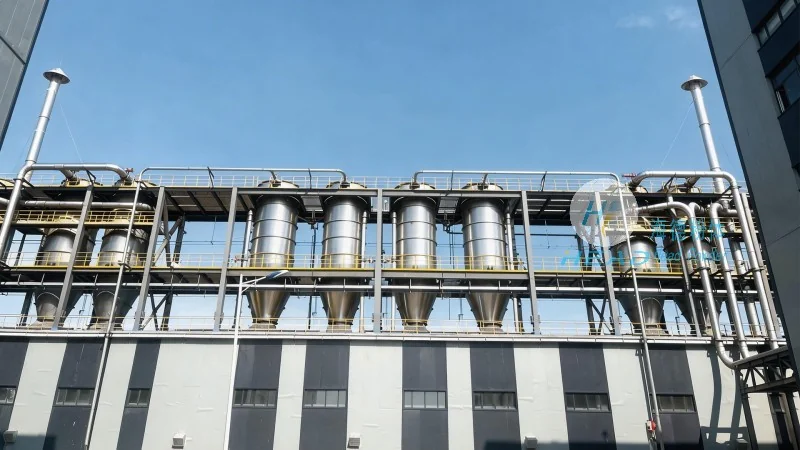
Key Components and Their Roles in the Conveying Process
The effectiveness of a salt air-pneumatic conveying system depends on the proper integration and operation of its key components. The air compressor is responsible for generating the required air pressure, which can vary from low to high pressure depending on the distance and volume of salt to be transported. The feed hopper, often equipped with a rotary valve or screw feeder, ensures a controlled and continuous supply of salt into the conveying line, preventing blockages and maintaining a steady flow. The conveying line, typically made of stainless steel or other corrosion-resistant materials, is designed to withstand the abrasive nature of salt particles and the pressure of the air flow. The separator, which may include a cyclone or bag filter, is crucial for separating the air from the salt, allowing the salt to be discharged at the desired location while the air is either recirculated or vented. These components work in harmony to create a seamless and efficient conveying process.
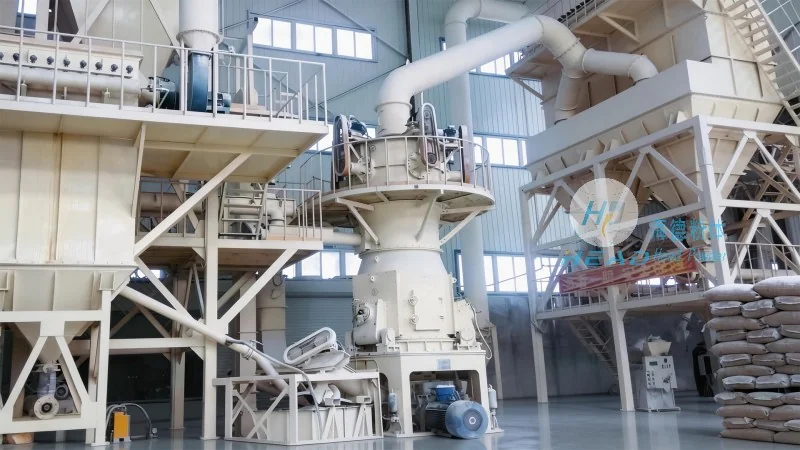
Advantages of Air-Pneumatic Conveying for Salt Handling
Compared to traditional mechanical conveying methods, air-pneumatic conveying offers several advantages when handling salt. One of the primary benefits is the lack of mechanical contact between the salt and the conveying equipment, which minimizes product contamination and extends the lifespan of the system components. Additionally, the system can be easily adapted to different production requirements, allowing for flexible and scalable solutions. The use of compressed air also enables the equipment to handle salt in various forms, including dry granules or even wet mixtures, without the need for additional processing steps. Furthermore, air-pneumatic conveying systems are generally more energy-efficient than mechanical systems, as they can transport materials over longer distances with less power consumption. These advantages make air-pneumatic conveying an ideal choice for salt handling in industries such as food processing, chemical manufacturing, and mining.
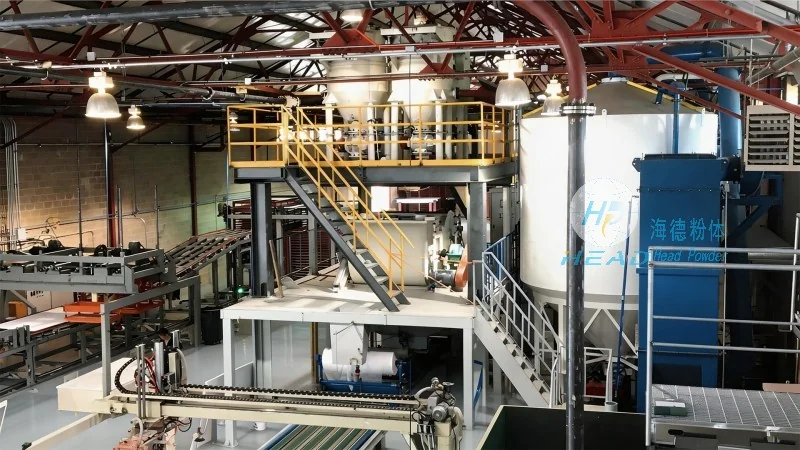
Customization and Application in Industrial Settings
HeadPowder recognizes that each industrial application has unique requirements, and therefore, offers customized air-pneumatic conveying solutions tailored to the specific needs of clients. The company works closely with clients to understand their production processes, material characteristics, and operational constraints, ensuring that the designed system meets all performance and safety standards. For example, in a salt production facility, the conveying system may need to handle large volumes of salt over long distances, requiring high-capacity components and robust construction. In contrast, a smaller-scale application might require a more compact and energy-efficient system. HeadPowder's engineering team uses advanced simulation tools and extensive industry experience to design systems that optimize performance, reduce downtime, and enhance overall operational efficiency. The company's commitment to quality and customer satisfaction has made it a preferred choice for businesses seeking reliable and efficient salt handling solutions.
Conclusion: The Role of Air-Pneumatic Conveying in Modern Salt Processing
In conclusion, a salt air-pneumatic conveying equipment is a sophisticated and efficient solution for transporting bulk salt in industrial settings. The design principles, components, and advantages of such systems make them a superior choice compared to traditional mechanical methods. With the expertise and capabilities of companies like Shandong HeadPowder Engineering Co., Ltd., industries can benefit from customized, high-performance conveying systems that enhance productivity, reduce costs, and ensure product quality. As the demand for efficient material handling continues to grow, air-pneumatic conveying technology will remain a critical component in modern salt processing and related industries, driving innovation and operational excellence.