

What is a Malt Pneumatic Conveying Equipment? And What Are Its Design Principles?
For professionals in the malt processing industry, understanding the technology behind efficient material handling is crucial. A key component in modern malt production facilities is the malt pneumatic conveying equipment, which is widely recognized for its efficiency and reliability. Developed by Shandong HeadPowder Engineering Co., Ltd. (headpowder), this equipment is designed to transport malt grains or other bulk materials through a pipeline using air or other gases. Unlike traditional mechanical conveyors, which rely on physical components like belts or buckets, pneumatic systems use pressure differentials to move materials. This method is particularly advantageous for handling delicate or abrasive materials like malt, as it reduces the risk of product damage and contamination. The equipment typically consists of a hopper, a conveyor line, and a control system that regulates the flow of material and air.
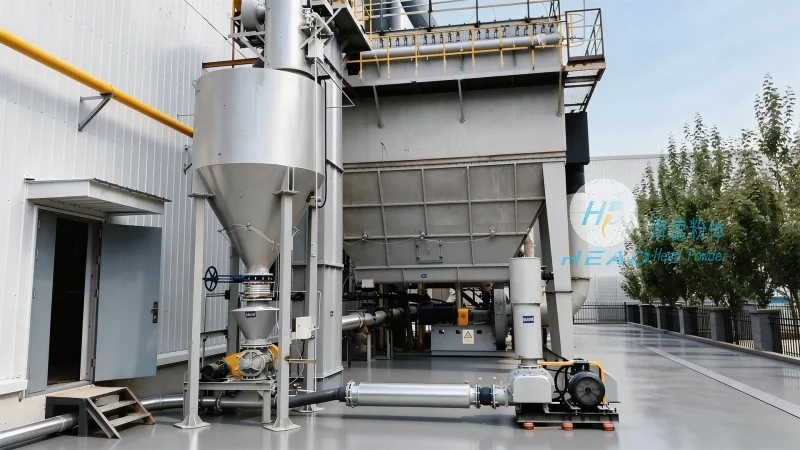
Introduction to Malt Pneumatic Conveying Equipment
Malt pneumatic conveying equipment is a system used to transport malt efficiently, ensuring minimal loss and maintaining product quality. The system operates by creating a pressure differential between the inlet and outlet of the conveyor line. A blower or compressor generates high-pressure air at the inlet, which suspends the malt particles and propels them through the pipeline. The outlet is at a lower pressure, allowing the air to escape and the malt to be discharged. This process is particularly effective for handling malt because it minimizes physical contact with equipment components, reducing the risk of bruising or contamination. The equipment is commonly used in malt processing facilities to move malt from storage silos to processing equipment, such as maltsters or mash kettles.
Key Components of Malt Pneumatic Conveying Systems
The core components of a malt pneumatic conveying system include the hopper, feeder, conveyor line, and air source. The hopper serves as the storage and feeding unit, holding a sufficient quantity of malt. It is typically equipped with a rotary valve or screw feeder to regulate the flow of material into the conveyor line. The feeder ensures a consistent feed rate, preventing overloading or underloading of the system. The conveyor line is the pipeline through which the malt is transported. It is usually made of stainless steel or high-density plastic, chosen for their durability and resistance to corrosion from malt and moisture. The pipeline may include bends, elbows, or other fittings that direct the flow of material. These fittings are designed with smooth surfaces to minimize friction and prevent product buildup. The air source, typically a blower or compressor, provides the necessary pressure to move the malt. It is equipped with filters to remove contaminants and maintain air quality, ensuring the malt remains clean during transport.
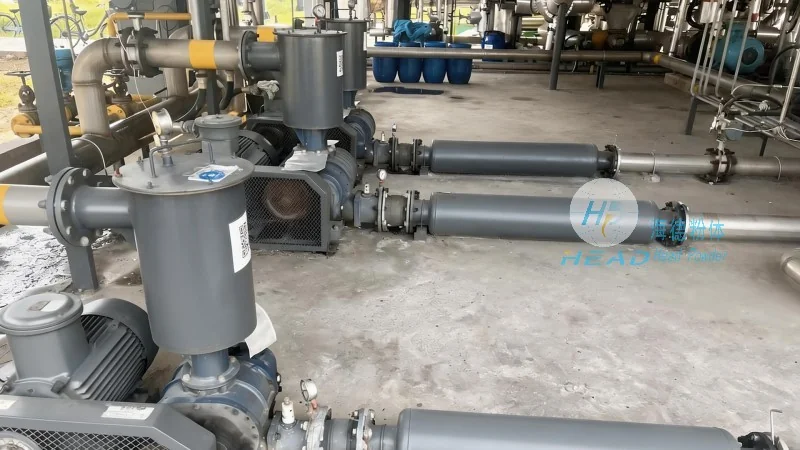
Design Principles for Efficient Malt Pneumatic Conveying
The design of a malt pneumatic conveying system is based on several critical principles to ensure optimal performance. The first principle is the principle of pressure differentials. This principle dictates that the pressure at the inlet must be significantly higher than at the outlet to create sufficient velocity for material transport. The magnitude of the pressure differential determines the conveying distance and the speed of the malt. The second principle is the air-to-material ratio. This ratio refers to the volume of air used per unit volume of malt. The optimal ratio is crucial for efficient operation; too low a ratio causes material to settle and block the pipeline, while too high a ratio wastes energy and generates unnecessary noise. The design must account for the specific characteristics of the malt, such as its density and moisture content, to determine the appropriate ratio. The third principle is material flow control. This involves regulating the inlet and outlet flow rates. The feeder in the hopper controls the inlet flow, ensuring a consistent rate regardless of hopper level. The discharge system, such as a rotary valve or venturi, controls the outlet flow, preventing backflow and product leakage. These controls are essential for maintaining system stability and preventing damage to equipment.
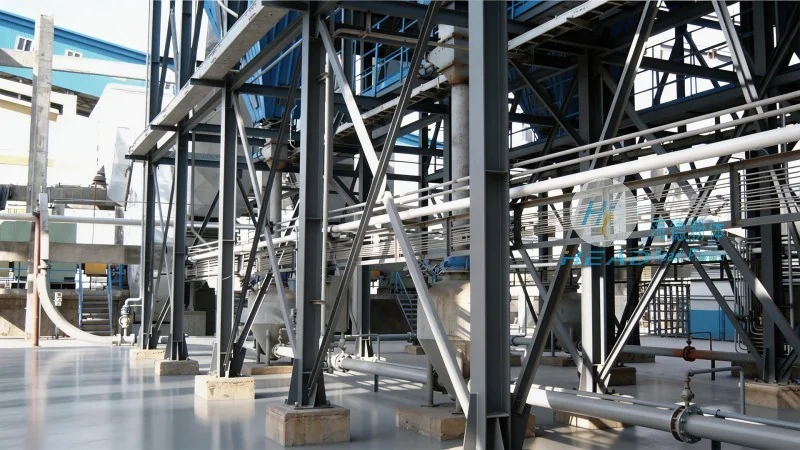
Applications and Benefits of Malt Pneumatic Conveying Equipment
Malt pneumatic conveying equipment is widely used in the malt processing industry for various applications. One primary application is the transfer of malt from storage silos to processing equipment, enabling a continuous and automated production line. This reduces manual labor and minimizes the risk of contamination during handling. Another application is the movement of malt between different processing stages, such as from drying to milling. The equipment can also be used for cleaning and maintenance, as it allows for the removal of debris and dust from the system. The benefits of using malt pneumatic conveying equipment are substantial. First, it offers high efficiency in material handling, transporting malt over long distances with minimal energy consumption. Second, it maintains excellent product quality by minimizing physical damage and contamination. Third, it provides flexibility, as the system can be adjusted to handle different types of malt or to change flow rates. Fourth, it enhances safety by reducing the need for manual handling of bulk materials, thereby lowering the risk of accidents. These advantages make the equipment a critical investment for malt processing facilities aiming to improve productivity and product quality.
Conclusion
In conclusion, malt pneumatic conveying equipment is a vital technology in modern malt production. Developed by Shandong HeadPowder Engineering Co., Ltd. (headpowder), this equipment efficiently transports malt using air pressure, minimizing product damage and contamination. The design principles, including pressure differentials, air-to-material ratio, and flow control, are fundamental to its performance. The equipment offers numerous benefits, including high efficiency, excellent product quality, operational flexibility, and improved safety. For companies in the malt industry, investing in a well-designed pneumatic conveying system is essential for maintaining competitiveness and ensuring the quality of their products. As the malt processing industry continues to evolve, the role of efficient material handling systems like these will remain critical to success.