

What is Coal and Coke Pneumatic Conveying Equipment? What Are Its Design Principles?
Coal and coke are fundamental raw materials in numerous industrial sectors, including power generation, steel production, and chemical processing. The efficient transportation of these bulk materials is essential for maintaining production efficiency, ensuring safety, and minimizing operational costs. Pneumatic conveying equipment offers a reliable and versatile solution for handling coal and coke, enabling seamless transfer from storage or processing units to the points of use. This article delves into the core aspects of coal and coke pneumatic conveying equipment, exploring its design principles, operational mechanisms, and key applications in industrial settings.
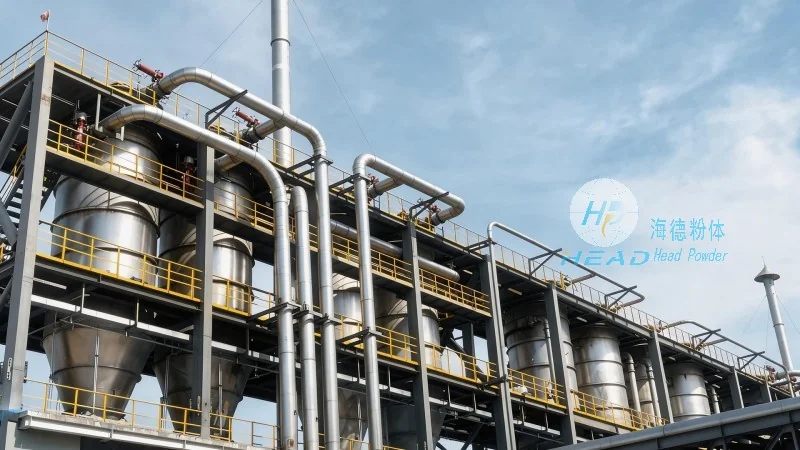
Understanding Pneumatic Conveying Systems
Pneumatic conveying systems operate by utilizing air or other gases to transport solid materials through a pipeline network. Unlike traditional mechanical conveyors, which rely on belts, buckets, or screws, pneumatic systems use the force of air to suspend and move materials. This method is particularly advantageous for handling abrasive, dusty, or corrosive materials like coal and coke, as it minimizes wear on components and reduces the risk of material degradation. The basic components of a pneumatic conveying system typically include a material feed hopper, a blower or compressor to generate airflow, a pipeline system, and a discharge unit. The choice of system type—such as dilute-phase or dense-phase—depends on the material's characteristics, the distance of transport, and the required flow rate.
Design Principles of Coal and Coke Pneumatic Conveying Equipment
The design of coal and coke pneumatic conveying equipment is tailored to address the unique challenges posed by these materials. Key design principles focus on ensuring adequate air velocity to prevent material settling or blockages, maintaining appropriate pressure levels to achieve the desired transport distance, and incorporating features that minimize wear and corrosion from abrasive particles. The material feed hopper is engineered to handle the bulk material's density and flow characteristics, often equipped with a feeder mechanism to control the flow rate. The blower or compressor must generate sufficient airflow to maintain the material in suspension, with considerations for energy efficiency and noise reduction. The pipeline system is constructed from materials resistant to corrosion and abrasion, such as stainless steel or specialized alloys, to ensure long-term durability. The discharge unit is designed to safely release the material at the destination, preventing dust emissions and ensuring smooth material flow.
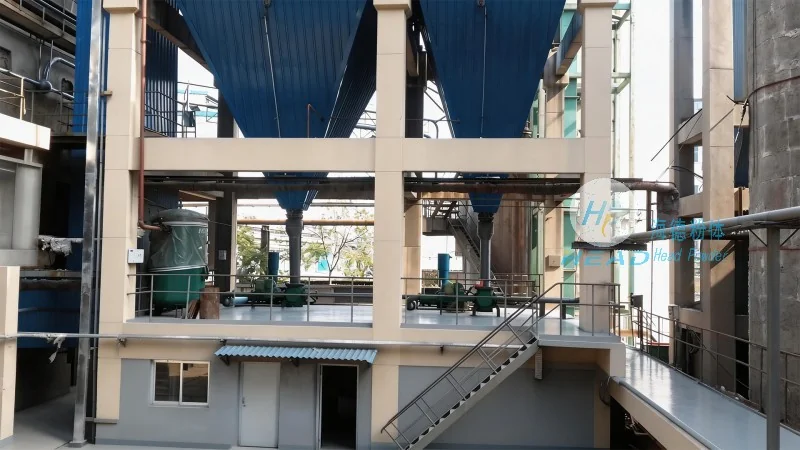
Key Components and Their Functions
Several critical components contribute to the effective operation of coal and coke pneumatic conveying equipment. The material feed hopper serves as the entry point for the bulk material, where it is stored and metered before being introduced into the pipeline. The feeder mechanism, such as a rotary valve or screw feeder, controls the flow rate, ensuring a consistent supply of material to the system. The blower or compressor generates the necessary airflow, creating a pressure differential that propels the material through the pipeline. The pipeline network connects the feed and discharge points, with bends and fittings designed to minimize pressure loss and maintain material suspension. The discharge unit, often a venturi or cyclone separator, separates the material from the air stream, allowing the material to be deposited at the desired location while the air is either recirculated or vented. Each component must be carefully selected and sized to match the specific requirements of the material being transported, ensuring optimal performance and longevity.
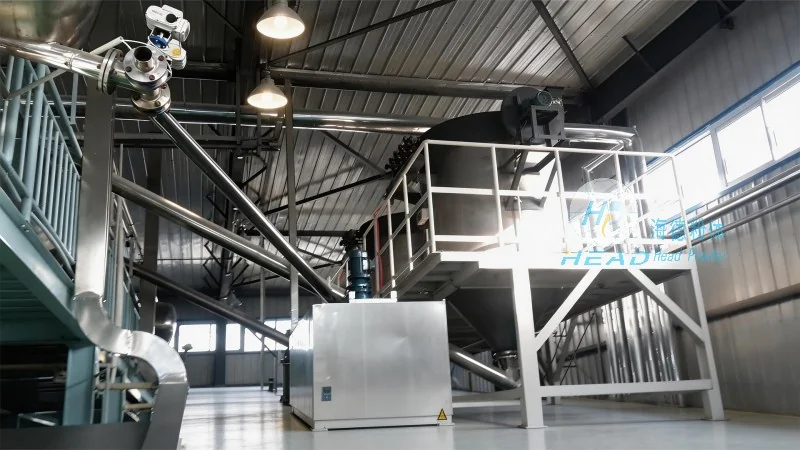
Applications in Industrial Settings
Coal and coke pneumatic conveying equipment is widely utilized in various industrial applications, including coal handling in power plants, coke production in steel mills, and material transport in chemical processing facilities. In power plants, these systems are used to transport coal from storage silos to boilers, ensuring a continuous supply of fuel for electricity generation. In steel mills, coke is transported from the coking plant to the blast furnace, where it serves as a key fuel and reducing agent. In chemical plants, similar systems handle bulk materials like limestone or coal ash, facilitating their movement between processing units. The flexibility of pneumatic conveying systems allows them to adapt to different material types and transport distances, making them a versatile solution for industrial material handling needs.
Advantages of Pneumatic Conveying for Coal and Coke
Pneumatic conveying offers several advantages over traditional mechanical conveying methods for coal and coke. One of the primary benefits is the ability to handle abrasive and dusty materials without significant wear on components. Unlike belt conveyors or bucket elevators, which are prone to wear from abrasive particles, pneumatic systems use air to transport materials, reducing maintenance costs and extending equipment life. Additionally, pneumatic conveying systems are more flexible in terms of layout, as they can be installed in various configurations, including vertical, horizontal, or mixed orientations, to accommodate the spatial constraints of industrial facilities. The systems also provide better control over material flow, allowing for precise regulation of flow rates and pressure, which is essential for maintaining consistent production processes. Furthermore, pneumatic conveying can be integrated with dust collection systems, reducing environmental impact and improving workplace safety by minimizing dust emissions.