

What is a Quartz Powder Pneumatic Conveying Equipment? And What Are Its Design Principles?
Quartz powder, a widely used industrial material, often requires efficient and reliable transport methods for processing and application. The quartz powder pneumatic conveying equipment is a specialized system designed to handle this material with precision and effectiveness. This article will explore the fundamental aspects of such equipment, focusing on its design principles and operational mechanisms.
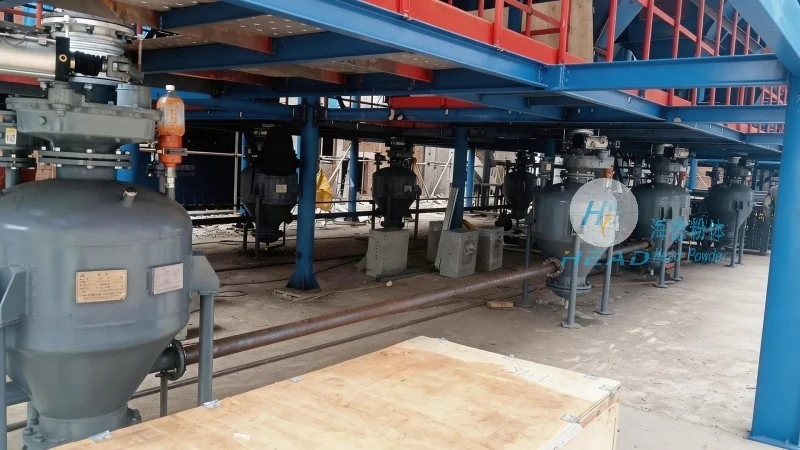
Understanding Quartz Powder Pneumatic Conveying Equipment
Quartz powder, known for its high purity and durability, is commonly utilized in various industries including ceramics, glass manufacturing, and construction. However, its fine particle size and cohesive properties can pose challenges during transportation. Traditional methods like bulk handling may lead to material degradation or inefficiencies. To address these issues, pneumatic conveying systems have emerged as a preferred solution. These systems utilize air or other gases to transport the powder, ensuring minimal loss and optimal flow control.
The Core Components and Design Principles
The design of a quartz powder pneumatic conveying equipment revolves around several key components that work in harmony to achieve efficient material transport. The primary components include the hopper, which serves as the storage and feeding unit; the conveyor line, which houses the transport pipeline; the air compressor or blower, responsible for generating the necessary airflow; and the control system, which regulates the operation and maintains consistent pressure and flow rates.
One of the critical design principles is the selection of appropriate air velocity. The velocity must be sufficient to lift and move the quartz powder particles through the pipeline without causing excessive wear or particle breakage. This is typically determined by the particle size distribution and density of the quartz powder. Engineers often use empirical formulas or computational fluid dynamics (CFD) simulations to optimize the air velocity for specific applications.
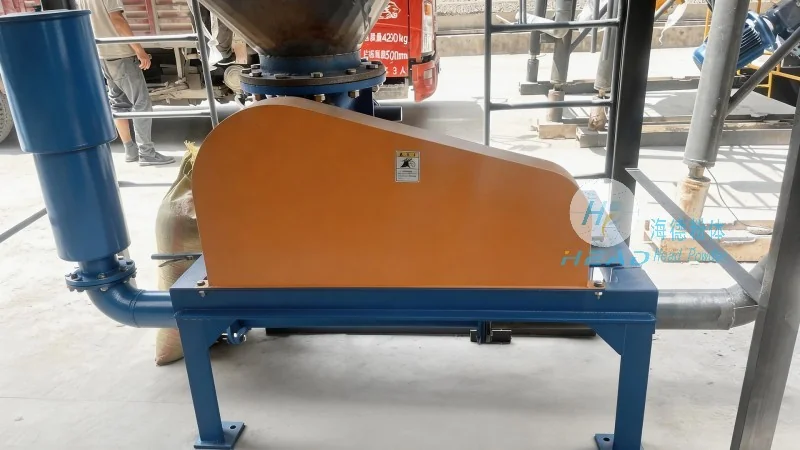
Material Handling and Flow Control
Effective flow control is essential to prevent issues such as blockages, surging, or uneven distribution of the quartz powder. The equipment incorporates features like rotary valves or feeders at the hopper outlet to regulate the material discharge rate. These components ensure a steady flow of powder into the conveyor line, matching the air flow rate to maintain consistent pressure and prevent backflow.
Another important design aspect is the pipeline design. The diameter and length of the pipeline are carefully considered to minimize pressure drop and energy consumption. The use of smooth, corrosion-resistant materials like stainless steel or special coatings is crucial to prevent particle buildup and maintain the integrity of the conveying system over time.
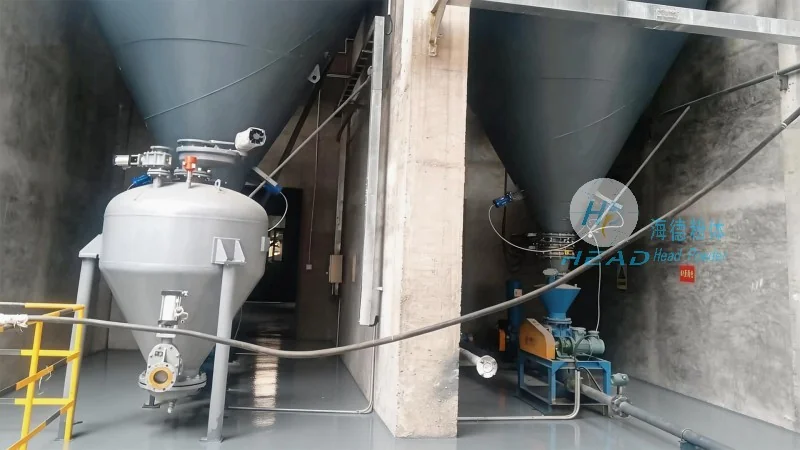
Advantages and Applications
The quartz powder pneumatic conveying equipment offers several advantages over traditional methods. It provides a dust-free and hygienic transport environment, which is particularly important for food-grade or pharmaceutical applications. Additionally, it allows for precise control over the material flow, reducing waste and improving process efficiency. The system is also flexible, capable of handling various particle sizes and flow rates, making it suitable for diverse industrial needs.
Applications of this equipment span multiple industries. In the ceramics industry, it is used to transport raw quartz powder to production lines, ensuring consistent quality and reducing manual handling risks. In glass manufacturing, the equipment aids in the precise delivery of quartz powder to melting furnaces, optimizing the glass composition. The construction sector also benefits from such systems for transporting quartz-based materials for concrete and mortar production.
Conclusion
Quartz powder pneumatic conveying equipment represents a sophisticated solution for the efficient and reliable transport of fine industrial powders. Its design principles, centered on optimal air velocity, flow control, and material handling, ensure high performance and durability. As industries continue to demand more efficient processing methods, these systems remain a vital component in modern material handling solutions. The expertise of companies like Shandong HeadPowder Engineering Co., Ltd. in designing and manufacturing such equipment highlights the importance of specialized engineering in meeting industrial requirements.