

What is a Pyrolytic Carbon Pneumatic Conveying Equipment? What are its Design Principles?
Pyrolytic carbon, a material with unique properties, is widely used in various industrial applications. The efficient and reliable transport of this material from one location to another is crucial for maintaining production efficiency. This is where pyrolytic carbon pneumatic conveying equipment comes into play, offering a sophisticated solution for material handling. In this article, we will explore what this equipment is and delve into its design principles to understand how it operates effectively.
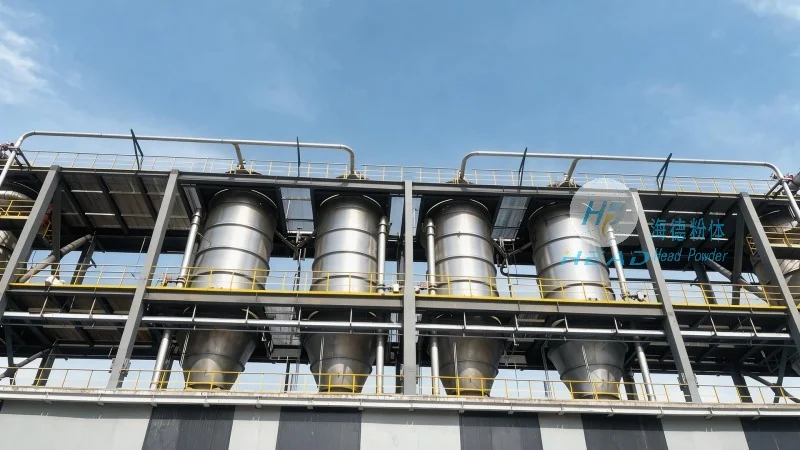
Understanding Pyrolytic Carbon Pneumatic Conveying Equipment
Pyrolytic carbon, also known as graphitic carbon, is a carbon material produced through the thermal decomposition of hydrocarbon precursors. It is characterized by its high electrical conductivity, chemical inertness, and excellent mechanical strength. In industrial settings, pyrolytic carbon is often used in applications such as electrodes, catalysts, and components in high-temperature environments. The challenge lies in the safe and efficient transport of this material, especially when dealing with fine powders or granules that can be prone to dust explosions or clogging. Pneumatic conveying equipment addresses these challenges by using air or other gases to move the material through a pipeline system.
The Role of Shandong HeadPowder Engineering Co., Ltd.
At Shandong HeadPowder Engineering Co., Ltd., we specialize in the design, manufacturing, and supply of advanced pneumatic conveying systems tailored to the specific needs of industries handling pyrolytic carbon and other similar materials. Our company, commonly known as HeadPowder, has a strong reputation for delivering high-quality equipment that meets international standards and client requirements. With a focus on innovation and customer satisfaction, we have built a solid foundation in the field of material handling technology. Our headquarters is located in Shandong, China, where our team of experts works tirelessly to develop cutting-edge solutions for our clients.
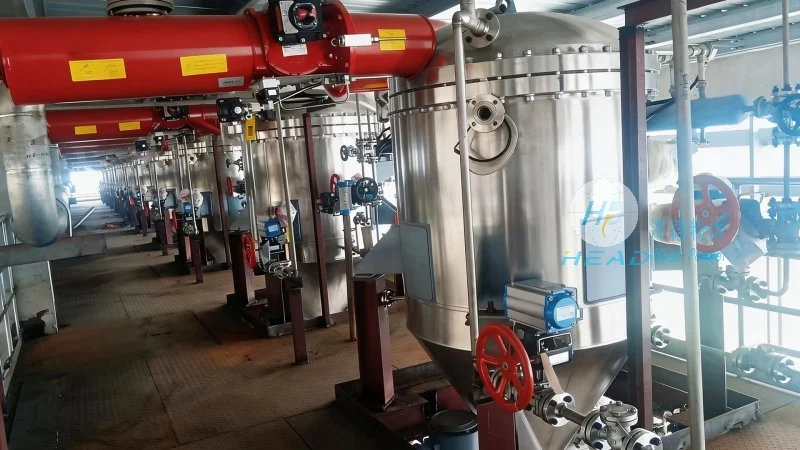
Design Principles of Pneumatic Conveying Systems
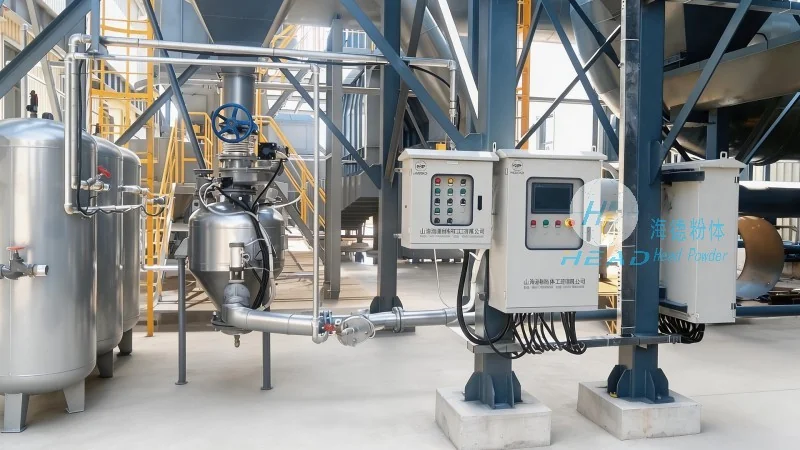
The core design principle of a pyrolytic carbon pneumatic conveying system is the use of air or gas to create a flow that transports the material. This system typically consists of a few key components: a material feed hopper, a conveying line (often with multiple sections), a control system, and a discharge unit. The material is introduced into the system from the hopper, where it is then entrained by the moving air stream and carried through the pipeline. The design of the conveying line is critical, as it must be optimized to prevent material degradation, clogging, or excessive pressure drops. Factors such as the particle size distribution, moisture content, and density of the pyrolytic carbon affect the system's performance and require careful consideration during the design phase.
Key Components and Their Functions
Each component of the pneumatic conveying system plays a vital role in ensuring efficient operation. The material feed hopper is designed to store and feed the pyrolytic carbon into the system at a controlled rate. This hopper often includes features like a rotary valve or a feeder to prevent material buildup and ensure a steady flow. The conveying line is usually made of materials that are compatible with pyrolytic carbon, such as stainless steel or specialized coatings, to avoid contamination and corrosion. The control system monitors and regulates the air pressure, flow rate, and material feed rate to maintain optimal operation. The discharge unit, at the end of the conveying line, collects the material and may include a filter or separator to remove any entrained air before the material is discharged into the final storage or processing area.
Advantages of Pyrolytic Carbon Pneumatic Conveying Equipment
Using pneumatic conveying for pyrolytic carbon offers several advantages over traditional methods like belt conveyors or bucket elevators. One of the primary benefits is the ability to handle fine powders and granules without the risk of clogging or material degradation. The enclosed system also helps in maintaining a clean and safe working environment by preventing dust emissions. Additionally, pneumatic conveying systems can be designed to operate at different pressures, allowing for both low and high-pressure applications depending on the distance and material characteristics. This flexibility makes the equipment suitable for various industrial settings, from small-scale laboratory applications to large-scale production lines.
Applications in Different Industries
Pyrolytic carbon pneumatic conveying equipment is used in a wide range of industries due to its versatility and effectiveness. In the electronics industry, it is used to transport electrodes and other components for battery manufacturing. The chemical industry utilizes it for catalysts and high-temperature reactors, where the material's inertness and conductivity are essential. The metallurgical industry also benefits from this equipment when handling materials for carbon electrodes and other high-temperature applications. Each application requires a customized system design to meet the specific requirements of the process, ensuring optimal performance and efficiency.
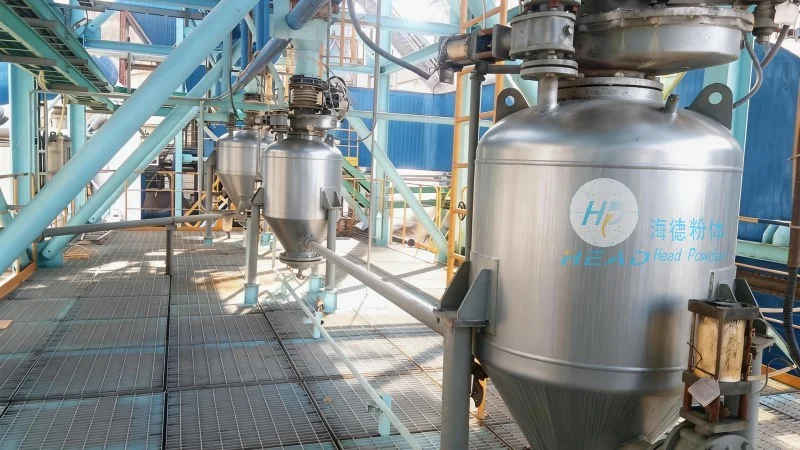
Maintenance and Operational Considerations
Proper maintenance is crucial to ensure the long-term reliability and efficiency of pyrolytic carbon pneumatic conveying equipment. Regular cleaning of the conveying line and components is necessary to prevent the buildup of material residues, which can affect the system's performance. The air filtration system must be maintained to ensure clean air is used for conveying, as contaminants can lead to equipment damage or material contamination. Monitoring the system's pressure and flow rates helps in identifying any issues early, allowing for timely maintenance and preventing costly downtime. At HeadPowder, we provide comprehensive maintenance services and technical support to our clients, ensuring that their equipment operates at peak performance.
Conclusion
Pyrolytic carbon pneumatic conveying equipment is a vital component in industries that rely on this unique material. The design principles behind these systems are centered on efficient material transport while maintaining the material's integrity and ensuring a safe working environment. With the expertise of companies like Shandong HeadPowder Engineering Co., Ltd., industries can access high-quality equipment tailored to their specific needs. By understanding the design and operational aspects of these systems, businesses can enhance their production processes and achieve greater efficiency in handling pyrolytic carbon and similar materials.