

What is a Coal Particle Pneumatic Conveying Equipment? What are the Design Principles?
Coal particle pneumatic conveying equipment is a specialized system used for the transport of coal particles through a pipeline using air or other gas as the conveying medium. This technology is widely adopted in various industrial sectors, including power generation, coal processing, and material handling, due to its efficiency and flexibility in moving bulk materials over long distances or through complex layouts.
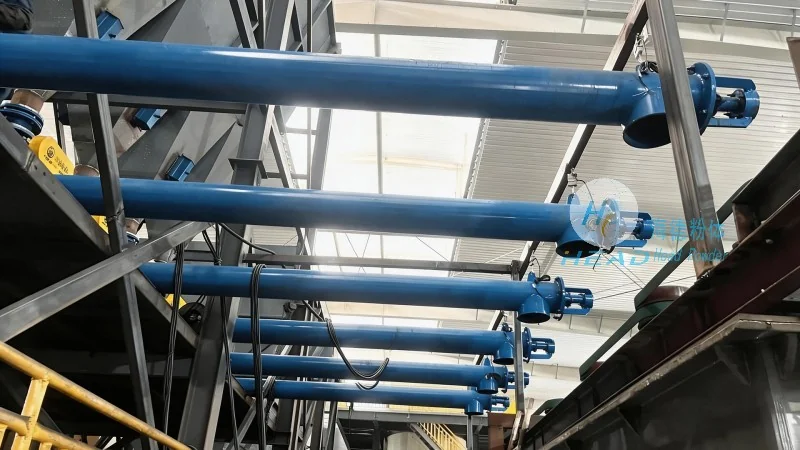
Understanding the fundamental design principles of such equipment is crucial for optimizing performance, ensuring reliability, and meeting the specific operational requirements of coal handling applications. The following sections will delve into the key components, operational mechanisms, and design considerations that define coal particle pneumatic conveying systems.
About Shandong HeadPowder Engineering Co., Ltd.
Shandong HeadPowder Engineering Co., Ltd., commonly known as HeadPowder, is a leading manufacturer and supplier of advanced material handling solutions, including coal particle pneumatic conveying equipment. With a strong commitment to innovation and quality, HeadPowder has established itself as a trusted partner in the industry, providing customized solutions tailored to the unique needs of clients.
HeadPowder's headquarters is located in Shandong, China, where the company leverages its extensive expertise and state-of-the-art manufacturing facilities to develop and produce high-performance pneumatic conveying systems. The company's team of experienced engineers and technicians works closely with clients to design, install, and maintain equipment that meets the highest standards of efficiency and durability.
Key Design Principles of Coal Particle Pneumatic Conveying Equipment
The design of coal particle pneumatic conveying equipment is based on several core principles that ensure effective material transport. The primary principle is the generation of sufficient air velocity within the pipeline to lift and transport the coal particles. This is achieved through the use of blowers or compressors that create a pressure differential, allowing the particles to be entrained by the moving air stream.
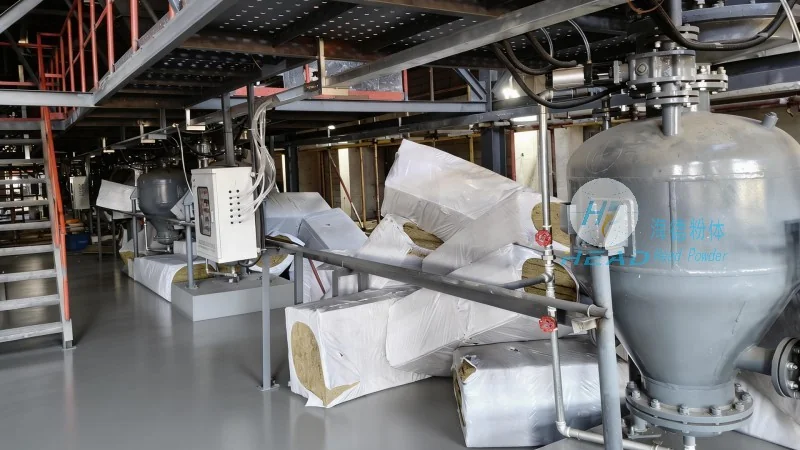
One of the critical design considerations is the selection of the appropriate air velocity and pressure. The air velocity must be high enough to overcome the gravitational force acting on the coal particles but not so high as to cause excessive wear on the pipeline or components. Typically, the air velocity is maintained between 20 to 30 meters per second for fine coal particles, while larger particles may require higher velocities to ensure proper transport.
Another important design principle is the use of appropriate pipeline diameters and configurations. The diameter of the pipeline is determined based on the particle size, flow rate, and desired conveying distance. For example, smaller particles may be conveyed through smaller diameter pipes, while larger particles require larger diameters to prevent blockages and ensure smooth flow. The pipeline layout also plays a crucial role, as it must be designed to minimize bends, changes in direction, and vertical lifts, which can affect the air flow and particle movement.
Furthermore, the design incorporates features to control the flow rate and prevent material buildup or blockages. This includes the use of control valves, filters, and cyclone separators. Control valves regulate the air flow and pressure, allowing for precise adjustment of the conveying rate. Filters are used to remove dust and debris from the air stream, protecting the equipment and ensuring clean operation. Cyclone separators, on the other hand, separate the coal particles from the air stream, allowing the air to be recycled or discharged, while the particles are collected for further use.
Applications and Advantages of Coal Particle Pneumatic Conveying Equipment
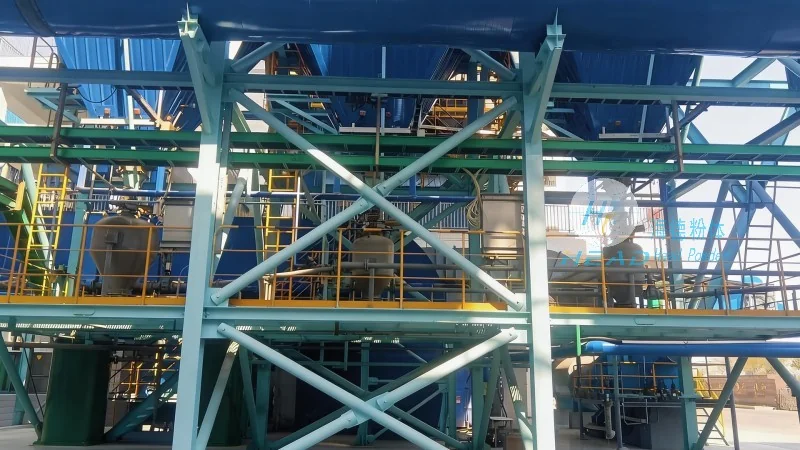
Coal particle pneumatic conveying equipment is widely used in various applications, including the transport of coal from mines to power plants, the handling of coal in coal processing facilities, and the delivery of coal to industrial boilers and furnaces. The technology offers several advantages over traditional bulk material handling methods, such as belt conveyors or bucket elevators.
One of the main advantages is the ability to transport materials over long distances or through complex layouts without the need for multiple transfer points. This reduces the overall footprint of the system and minimizes the risk of material spillage or contamination. Additionally, pneumatic conveying systems are more flexible and can be easily reconfigured to accommodate changes in production requirements or facility layouts.
Another significant advantage is the improved safety and hygiene. Since the material is conveyed in a closed pipeline, there is no exposure to the environment, reducing the risk of dust inhalation or contamination. This is particularly important in coal handling applications, where dust can be a health hazard and a fire risk. The closed system also helps in maintaining a clean and organized work environment, which is beneficial for both operators and the surrounding community.
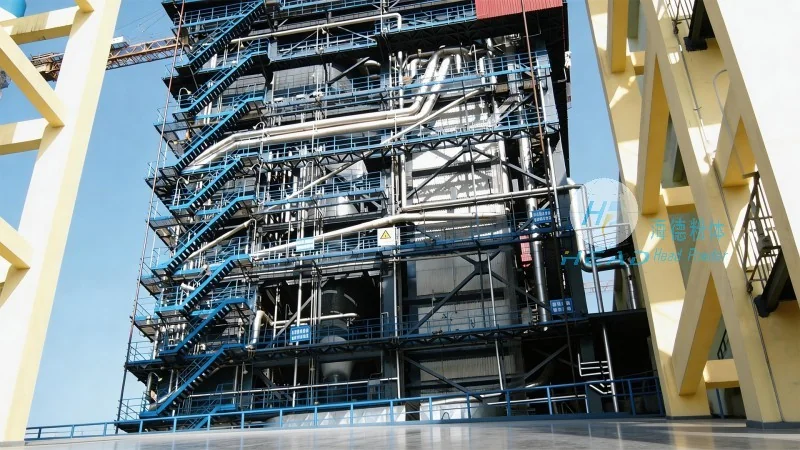
Furthermore, the design of coal particle pneumatic conveying equipment allows for better control over the material flow rate and pressure. This enables precise regulation of the conveying process, ensuring that the material is delivered at the required rate and pressure. The system can also be equipped with monitoring and control systems that provide real-time data on the operational parameters, allowing for timely adjustments and maintenance.
Services and Support from HeadPowder
HeadPowder provides comprehensive services to support the installation, operation, and maintenance of coal particle pneumatic conveying equipment. The company's team of experts offers customized design solutions, ensuring that the equipment is tailored to the specific needs of each client. This includes the selection of appropriate components, such as blowers, filters, and cyclone separators, based on the material characteristics and operational requirements.
HeadPowder also provides installation and commissioning services, ensuring that the equipment is set up correctly and operates efficiently. The company's technicians are trained to handle various challenges that may arise during installation, such as pipeline alignment, component integration, and system testing. After installation, HeadPowder offers maintenance and repair services to ensure the long-term performance and reliability of the equipment.
Additionally, HeadPowder provides technical support and training to clients, helping them to operate and maintain the equipment effectively. The company's team of engineers and technicians are available to provide guidance on best practices, troubleshooting common issues, and optimizing the performance of the system. This support ensures that clients can maximize the benefits of their investment in coal particle pneumatic conveying equipment.