

What is the pneumatic conveying equipment for heptahydrate magnesium sulfate? What are its design pr
Heptahydrate magnesium sulfate, commonly known as Epsom salt, is a widely used chemical compound in various industrial applications. The efficient and safe transportation of this material is crucial for many processes, and pneumatic conveying equipment has emerged as a reliable solution. This article explores the concept of pneumatic conveying equipment specifically designed for heptahydrate magnesium sulfate and delves into the underlying design principles that ensure optimal performance.
Understanding Pneumatic Conveying for Heptahydrate Magnesium Sulfate
Pneumatic conveying systems utilize air or gas to transport bulk materials like heptahydrate magnesium sulfate through a pipeline network. Unlike traditional mechanical conveyors, these systems offer advantages such as minimal product degradation, reduced contamination risk, and the ability to handle materials that are difficult to move with conventional methods. For heptahydrate magnesium sulfate, which is a fine, hygroscopic powder, pneumatic conveying is particularly advantageous due to its ability to maintain product quality and prevent caking or agglomeration during transport.
The Core Components of Heptahydrate Magnesium Sulfate Pneumatic Conveying Equipment
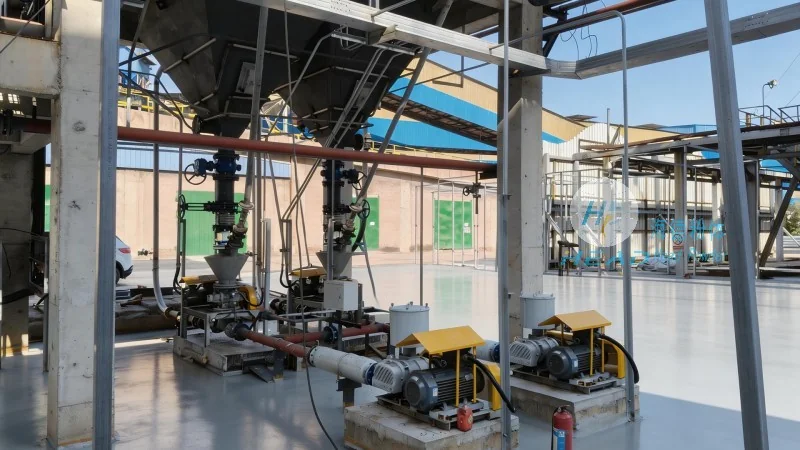
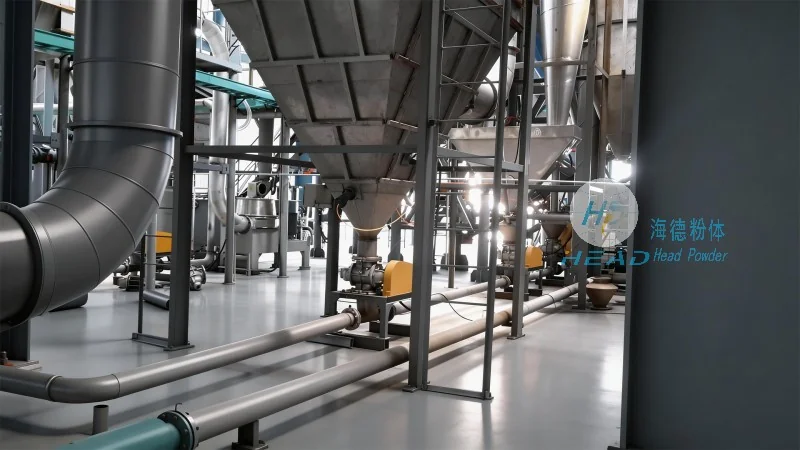
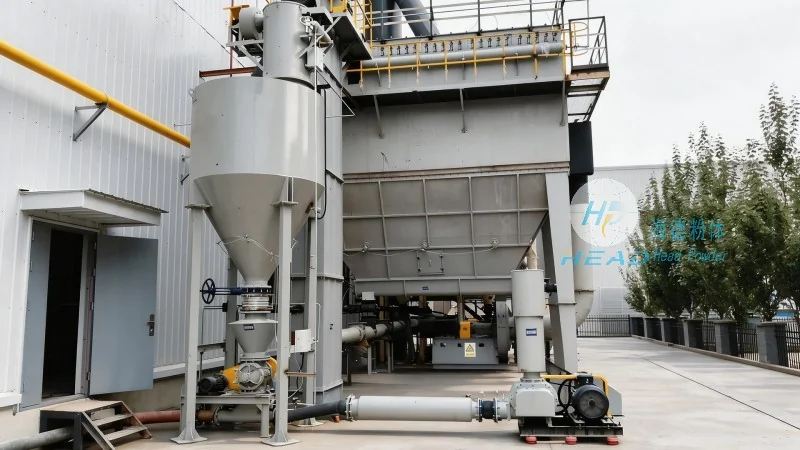
The design of a pneumatic conveying system for heptahydrate magnesium sulfate involves several key components that work in tandem to achieve efficient material transport. These components typically include a material feed hopper, a conveying pipeline, a pressure or vacuum source, and a receiver or discharge unit. The material feed hopper is designed to store and meter the heptahydrate magnesium sulfate, ensuring a consistent flow rate into the system. The conveying pipeline is usually made of materials resistant to corrosion and abrasion, such as stainless steel or special polymers, to withstand the chemical properties of the material and the effects of air flow. The pressure or vacuum source, often a blower or a vacuum pump, provides the necessary force to move the material through the pipeline. Finally, the receiver or discharge unit collects the material at the destination, allowing for smooth unloading and further processing.
Design Principles for Optimal Performance
The design principles of pneumatic conveying equipment for heptahydrate magnesium sulfate are centered on maximizing efficiency, minimizing energy consumption, and ensuring product integrity. One of the primary design considerations is the air-to-material ratio, which determines the velocity of the material in the pipeline. An optimal air-to-material ratio ensures that the material is fully suspended and transported without excessive pressure drop or energy waste. Another critical principle is the selection of the right pipeline diameter and length, as these factors directly impact the pressure requirements and overall system efficiency. The system must also account for the hygroscopic nature of heptahydrate magnesium sulfate, incorporating features that prevent moisture absorption or product degradation during transport. Additionally, the design must consider the potential for material buildup or blockages, incorporating cleaning mechanisms or anti-clogging features to maintain continuous operation.
Applications and Benefits in Industrial Settings
Heptahydrate magnesium sulfate pneumatic conveying equipment is widely used in various industrial sectors, including pharmaceuticals, food processing, and chemical manufacturing. In pharmaceutical applications, the equipment ensures that the material is transported in a sterile and contamination-free environment, meeting stringent regulatory requirements. In food processing, the system maintains the quality and freshness of the product, preventing any cross-contamination with other materials. The benefits of using pneumatic conveying for heptahydrate magnesium sulfate extend beyond just material transport; it also enhances process safety by reducing the need for manual handling and minimizing the risk of dust exposure. Furthermore, the compact design of these systems allows for easy integration into existing production lines, providing flexibility and adaptability to changing production needs.
Conclusion
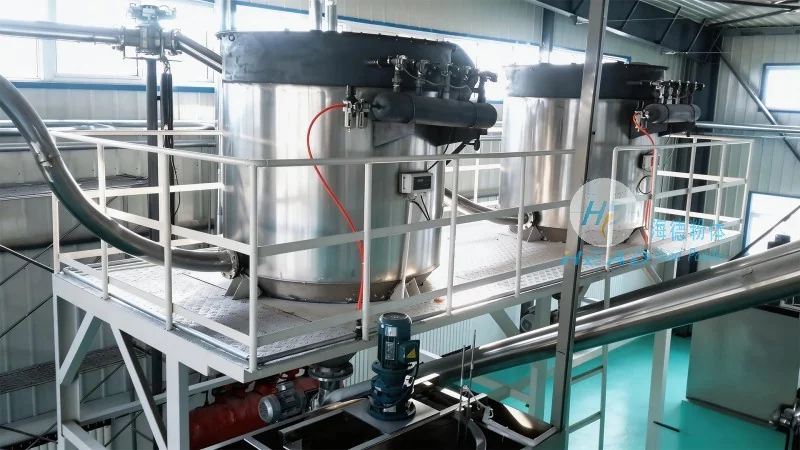
Pneumatic conveying equipment for heptahydrate magnesium sulfate is a sophisticated and efficient solution for bulk material transport. By understanding the core components and design principles, industries can leverage this technology to improve operational efficiency, maintain product quality, and enhance safety. As a leading manufacturer in this field, Shandong HeadPowder Engineering Co., Ltd. specializes in designing and manufacturing customized pneumatic conveying systems tailored to the specific needs of heptahydrate magnesium sulfate applications. With a focus on innovation and quality, the company ensures that its equipment meets the highest standards of performance and reliability, supporting the diverse requirements of industrial clients in China and beyond.