

What is a Methylcellulose Pneumatic Conveying Equipment? And What Are Its Design Principles?
When it comes to efficient material handling in industrial settings, especially for handling fine powders like methylcellulose, the choice of equipment can significantly impact operational efficiency and product quality. Methylcellulose, a versatile thickening and stabilizing agent widely used in various industries including pharmaceuticals, food, and cosmetics, requires specialized equipment for safe and effective transportation. This article explores the concept of methylcellulose pneumatic conveying equipment and delves into its fundamental design principles, highlighting how these systems ensure reliable and efficient material transport.
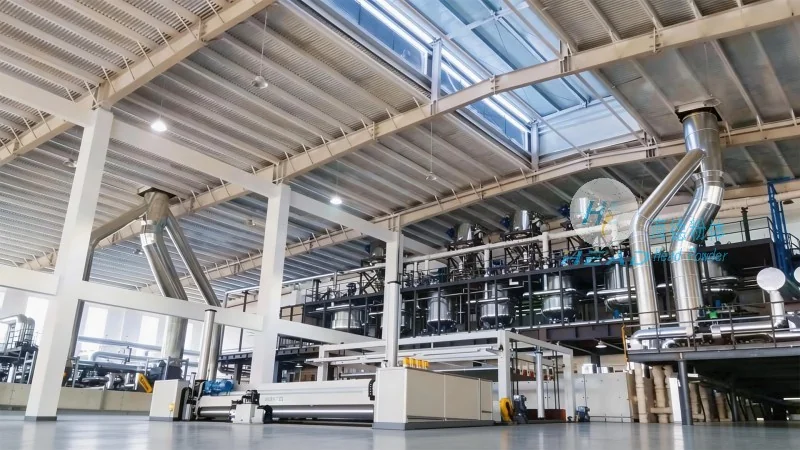
Understanding Methylcellulose Pneumatic Conveying Equipment
Methylcellulose pneumatic conveying equipment is a specialized system designed to transport fine powders, such as methylcellulose, through a pipeline using air or other gases. Unlike traditional mechanical conveying methods, which rely on physical contact and friction, pneumatic conveying uses the force of moving air to move the material. This method is particularly advantageous for handling delicate or sensitive powders like methylcellulose, as it minimizes product degradation and contamination. The equipment typically consists of several key components, including a hopper for material storage, a conveyor line (usually a flexible or rigid tube), a blower or compressor to generate airflow, and a control system to regulate the conveying process.
Key Design Principles of Methylcellulose Pneumatic Conveying Systems
The design of methylcellulose pneumatic conveying equipment is guided by several critical principles to ensure optimal performance and reliability. First, the system must maintain a consistent and controlled airflow to prevent material settling or blockages in the pipeline. This is achieved through the use of appropriate blower or compressor capacity, which is matched to the material's properties and the system's layout. Second, the equipment must be designed to handle the specific characteristics of methylcellulose, such as its fine particle size and hygroscopic nature. This involves selecting materials for the conveyor line and components that are resistant to moisture and chemical interactions, ensuring the material remains in its intended form throughout the conveying process.
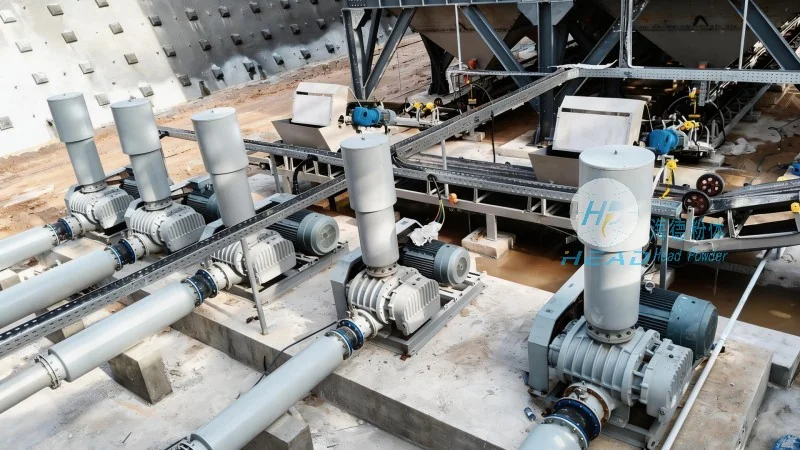
Components and Their Functions in Methylcellulose Pneumatic Conveying
Each component of a methylcellulose pneumatic conveying system plays a crucial role in the overall operation. The hopper serves as the primary storage vessel, allowing for continuous feeding of the material into the system. It is typically equipped with a feeding mechanism, such as a rotary valve or screw feeder, to control the flow rate and prevent overfilling. The conveyor line, often made of flexible tubing or rigid metal pipes, is designed to withstand the pressure and flow of the air and material mixture. The blower or compressor generates the necessary airflow, with adjustable speed and pressure settings to accommodate varying material loads and system requirements. The control system monitors and regulates the entire process, ensuring that the airflow and material flow are synchronized to maintain consistent conveying rates and prevent system failures.
Advantages of Methylcellulose Pneumatic Conveying Equipment
Implementing methylcellulose pneumatic conveying equipment offers several advantages over traditional conveying methods. One of the primary benefits is the ability to handle fine powders without the need for physical contact, reducing the risk of product contamination and degradation. This is particularly important for methylcellulose, which is often used in applications where purity is critical, such as in pharmaceuticals or food products. Additionally, pneumatic conveying systems can be designed to operate in a closed loop, minimizing dust emissions and improving workplace safety. The flexibility of the system allows for easy integration into existing production lines, with the ability to adjust the conveying rate and direction as needed. Finally, the equipment is generally more energy-efficient than mechanical conveying systems, as it uses less power to move the material over longer distances.
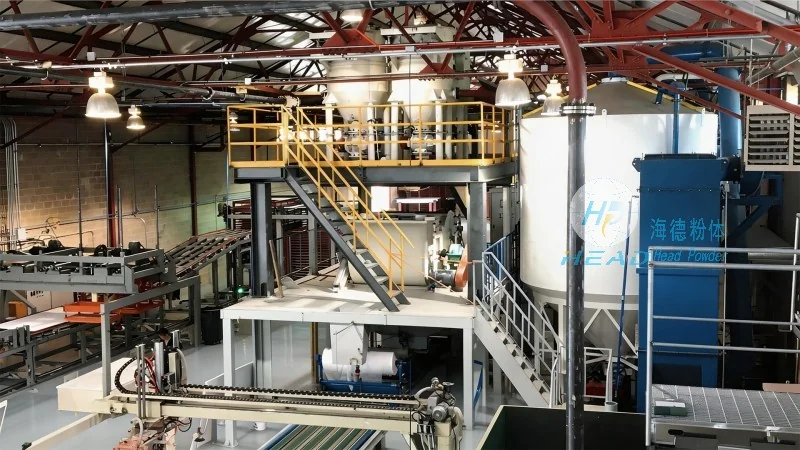
Applications and Industries Using Methylcellulose Pneumatic Conveying
Methylcellulose pneumatic conveying equipment is widely used in various industries that rely on fine powders for their production processes. In the pharmaceutical industry, it is used to transport active pharmaceutical ingredients (APIs) and excipients like methylcellulose, ensuring that the materials are handled with minimal risk of contamination. In the food industry, it is used to convey ingredients such as thickeners, stabilizers, and flavorings, maintaining the quality and safety of the final products. The cosmetics industry also benefits from this technology, as it allows for the efficient transport of ingredients like methylcellulose used in creams, lotions, and other personal care products. Additionally, the equipment is used in the chemical industry for transporting various powders and granules, including those used in industrial applications.
Conclusion and Company Overview
Methylcellulose pneumatic conveying equipment is a critical component in modern industrial operations, providing an efficient and reliable method for transporting fine powders. The design principles and components of these systems are tailored to handle the specific properties of methylcellulose, ensuring that the material is conveyed safely and effectively. As a leading manufacturer in this field, Shandong HeadPowder Engineering Co., Ltd. specializes in providing high-quality pneumatic conveying solutions tailored to the needs of various industries. With a focus on innovation and customer satisfaction, the company ensures that its equipment meets the highest standards of performance and reliability, helping businesses achieve optimal operational efficiency and product quality. Based in Shandong, China, HeadPowder continues to advance the technology of pneumatic conveying, offering solutions that meet the evolving demands of the industry.