

What is a Pharmaceutical Pneumatic Conveying System? What are its Design Principles?
HeadPowder, or Shandong HeadPowder Engineering Co., Ltd., is a professional manufacturer based in Shandong, China, specializing in the design, development, and production of pharmaceutical pneumatic conveying systems. The company focuses on providing high-quality, reliable, and efficient solutions for the pharmaceutical industry's material handling needs.
What is a Pharmaceutical Pneumatic Conveying System?
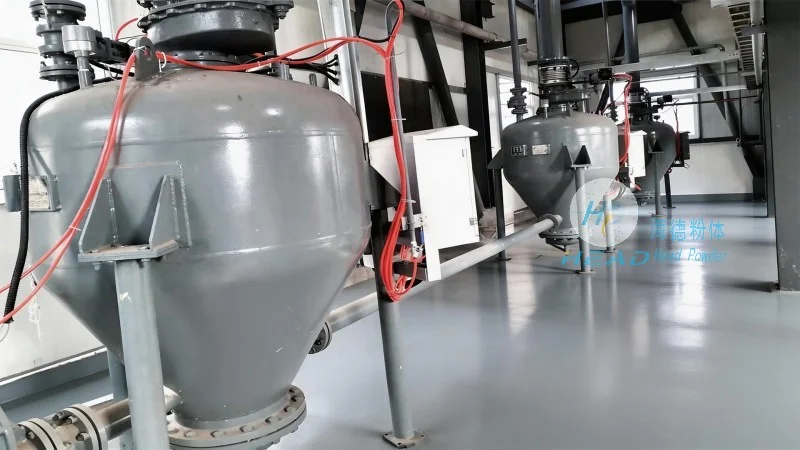
A pharmaceutical pneumatic conveying system is a specialized equipment used to transport powders and bulk materials within pharmaceutical manufacturing facilities. It operates by using compressed air or other gases to move materials through a pipeline network. This system is widely adopted in the pharmaceutical industry due to its ability to maintain a clean, sterile environment, which is crucial for drug production. The system typically includes components such as a hopper, a feeder, a conveying line, and a receiver, all designed to ensure the safe and efficient transfer of materials while minimizing contamination risks.
Design Principles of Pharmaceutical Pneumatic Conveying Systems
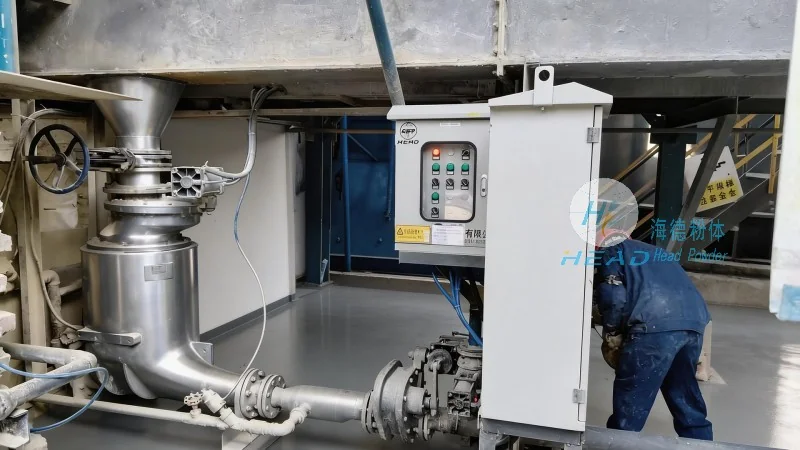
The design of a pharmaceutical pneumatic conveying system follows several key principles to ensure optimal performance and compliance with industry standards. First, the system must maintain a sterile and clean environment to prevent cross-contamination of pharmaceutical products. This is achieved through the use of materials that are easy to clean and sanitize, such as stainless steel, and by incorporating features like air filtration and particle separation. Second, the system is designed to handle a wide range of powder properties, including different particle sizes, densities, and flow characteristics. The selection of the appropriate conveying method—such as dilute phase or dense phase—depends on the material's specific characteristics and the required transfer distance. Third, the system must ensure energy efficiency and cost-effectiveness. Engineers design the system to minimize air consumption and energy usage while maximizing material throughput. Fourth, safety is a critical consideration. The system includes safety features like pressure relief valves, emergency shut-off mechanisms, and monitoring systems to prevent accidents and ensure operator safety.
Key Components of the System
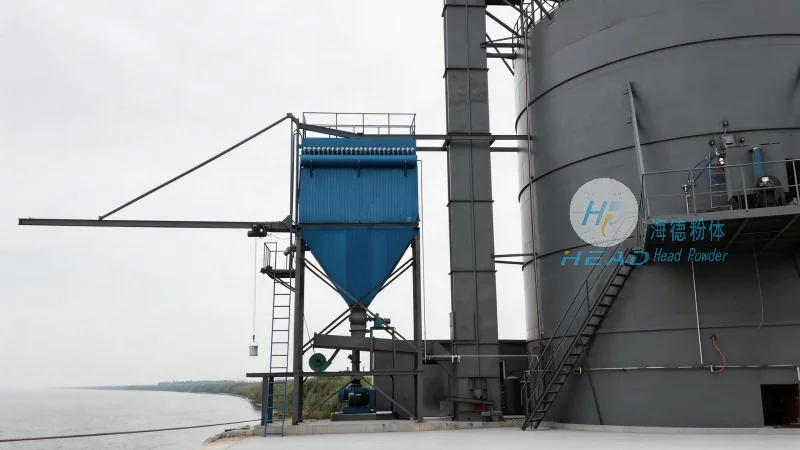
The pharmaceutical pneumatic conveying system consists of several essential components that work together to achieve efficient material transfer. The primary components include: 1. Hopper: A container that holds the bulk material to be conveyed. It is designed to feed the material into the system at a controlled rate. 2. Feeder: A device that regulates the flow of material from the hopper into the conveying line. Common types include rotary valves and star feeders, which ensure a consistent and controlled feed rate. 3. Conveying Line: The pipeline through which the material is transported. It is typically made of stainless steel to maintain hygiene and durability. The line may include bends, elbows, and expansion joints to accommodate changes in direction and accommodate material expansion or contraction. 4. Receiver: A container that collects the material at the end of the conveying line. It is designed to hold the received material until it is further processed or packaged. 5. Compressor and Air Treatment Unit: The system uses a compressor to generate the necessary air pressure for conveying. The air treatment unit includes filters, dryers, and regulators to ensure the air is clean, dry, and at the appropriate pressure and temperature. 6. Control System: A control panel that monitors and controls the operation of the system. It includes sensors, indicators, and control valves to adjust the flow rate, pressure, and other parameters as needed.
Applications and Advantages in Pharmaceutical Manufacturing
Pharmaceutical pneumatic conveying systems are widely used in various stages of pharmaceutical production, including raw material handling, intermediate processing, and final product packaging. The system's advantages include: 1. Hygienic and Sterile Operation: The system is designed to maintain a clean environment, which is essential for pharmaceutical products that require high purity and low contamination levels. 2. Efficient Material Transfer: The system can transport materials over long distances with high efficiency, reducing the need for manual handling and improving production throughput. 3. Reduced Contamination Risk: By eliminating the need for manual handling and open containers, the system minimizes the risk of cross-contamination between different materials or batches. 4. Flexibility and Scalability: The system can be customized to handle different materials and production volumes, making it suitable for various pharmaceutical manufacturing processes. 5. Energy Efficiency: Modern systems are designed to be energy-efficient, reducing operational costs and environmental impact.
HeadPowder's Commitment to Quality and Innovation
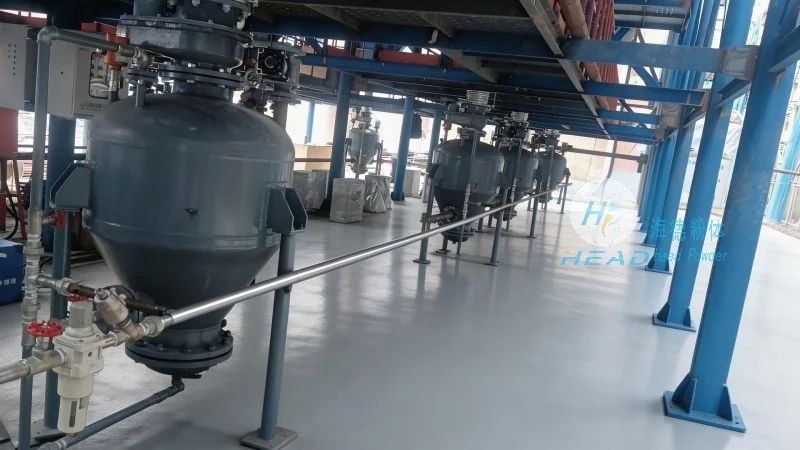
Shandong HeadPowder Engineering Co., Ltd. is committed to providing high-quality pharmaceutical pneumatic conveying systems that meet the stringent requirements of the pharmaceutical industry. The company's team of experienced engineers and technicians work closely with clients to understand their specific needs and design customized solutions. HeadPowder uses advanced technology and materials to ensure the systems are reliable, durable, and compliant with international standards such as GMP (Good Manufacturing Practice). The company also offers after-sales support, including maintenance, repair, and technical assistance, to ensure the long-term performance and reliability of the systems.