

What is a Corn Pneumatic Conveying System? And What Are Its Design Principles?
For agricultural and industrial operations, the efficient handling of bulk materials like corn is crucial. A corn pneumatic conveying system is a specialized equipment solution designed to transport corn and other similar granular materials through a pipeline using air pressure. This technology offers numerous advantages over traditional methods, such as reduced labor costs, improved material quality, and enhanced safety. In this article, we will explore the fundamental concepts of corn pneumatic conveying systems and delve into their core design principles.
What is a Corn Pneumatic Conveying System?
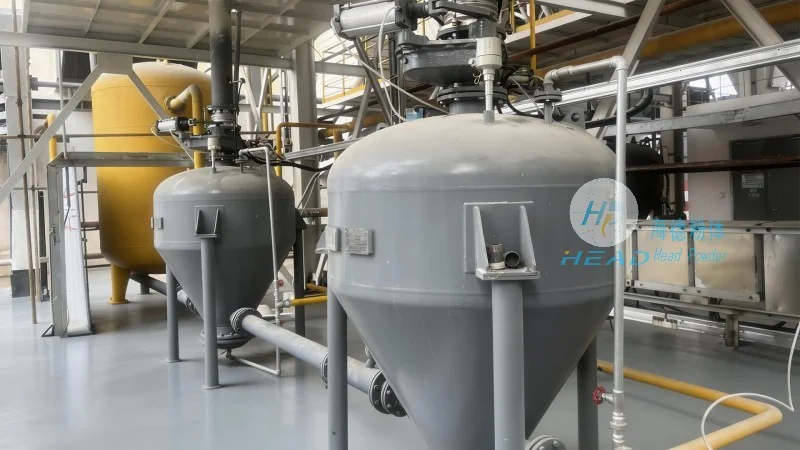
A corn pneumatic conveying system is a mechanical system that utilizes air to move corn particles from one location to another. The system typically consists of a hopper for material storage, a conveyor line (often a pipeline), and a blower or fan to generate the necessary air pressure. The corn is fed into the system, and as the air flows through the pipeline, it lifts and transports the corn particles. The system can be either positive pressure (where air is blown into the line) or negative pressure (where air is drawn out of the line). The choice between these two depends on the specific application and the distance the corn needs to be transported.
Key Components of a Corn Pneumatic Conveying System
Several key components work together to ensure the effective operation of a corn pneumatic conveying system. These components include:
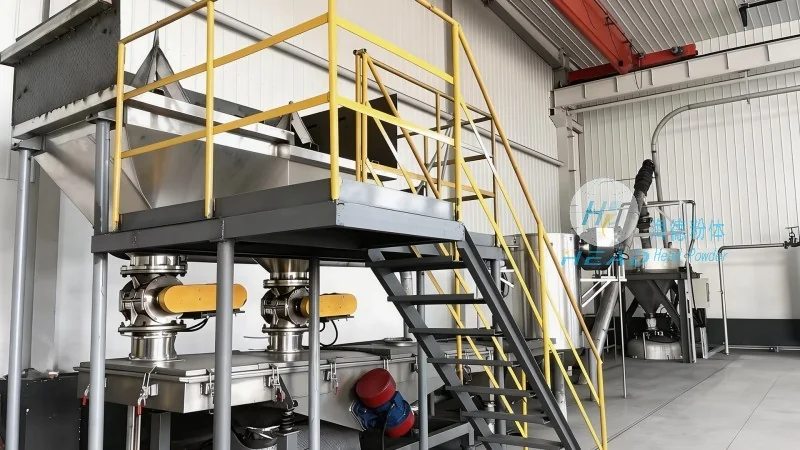
- Material Hopper: A container that holds the corn before it is fed into the system. The hopper is designed to provide a consistent flow of material to the conveyor line.
- Feeder: A device that controls the rate at which corn is introduced into the conveyor line. This ensures a steady and controlled flow, preventing blockages and maintaining system efficiency.
- Conveying Pipeline: The main component of the system, where the corn is transported. The pipeline is usually made of metal or plastic and is designed to withstand the pressure and friction of the material and air.
- Blower or Fan: The power source that generates the air pressure needed to move the corn. The blower's capacity and pressure are critical factors in determining the system's performance.
- Receiver: A container that collects the corn at the end of the conveyor line. The receiver is typically equipped with a discharge valve to allow the corn to be emptied into a storage or processing area.
- Control System: A set of sensors and controls that monitor and regulate the system's operation. This includes pressure sensors, flow meters, and automatic shut-off mechanisms to prevent overloading or system failure.
Design Principles of Corn Pneumatic Conveying Systems
The design of a corn pneumatic conveying system is based on several fundamental principles to ensure optimal performance and efficiency. These principles include:
- Pressure and Velocity: The system's design must consider the appropriate air pressure and velocity to move the corn particles without causing excessive wear on the pipeline or damage to the corn. The velocity of the air must be sufficient to lift the corn but not so high as to cause erosion or breakage.
- Material Characteristics: The properties of the corn, such as its size, density, and moisture content, are critical in determining the system's design. For example, larger or denser corn kernels may require higher air pressure and velocity to be transported effectively.
- System Layout and Length: The layout of the conveyor line, including the number of bends and the total length, affects the system's performance. The design must account for the pressure drop along the pipeline and ensure that the blower can maintain the necessary pressure throughout the entire system.
- Material Handling Efficiency: The system is designed to minimize material degradation and maximize throughput. This includes using appropriate materials for the pipeline and components to prevent contamination and wear, as well as optimizing the feeding and discharge processes.
- Energy Efficiency: Modern corn pneumatic conveying systems are designed with energy efficiency in mind. This includes using high-efficiency blowers, optimizing the system layout to reduce pressure losses, and implementing control systems that adjust the air flow based on the actual material load.
Applications of Corn Pneumatic Conveying Systems
Corn pneumatic conveying systems are widely used in various industries, including agriculture, food processing, and animal feed production. They are commonly employed in:
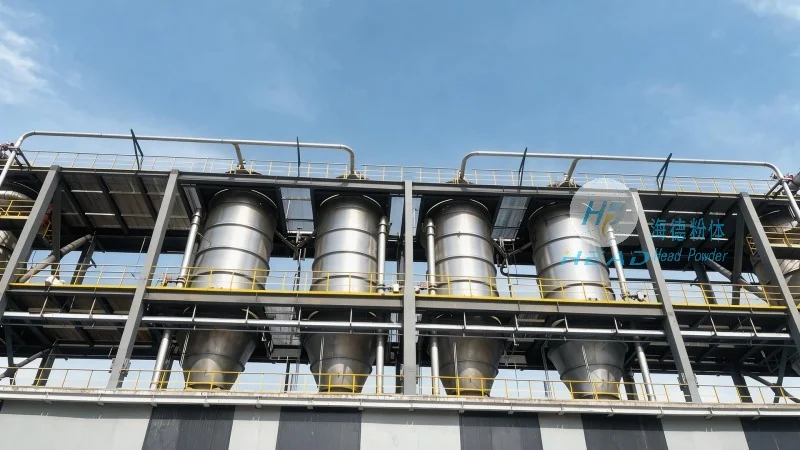
- Corn Storage and Handling: In grain storage facilities, these systems are used to move corn from storage silos to processing plants or for redistribution within the facility.
- Food Processing: In corn milling and processing plants, the system is used to transport corn kernels to grinding and milling equipment, ensuring a consistent and high-quality feedstock.
- Animal Feed Production: In feed mills, corn pneumatic conveying systems are used to transport corn from storage to mixing and extrusion equipment, contributing to the efficient production of animal feed.
- Industrial Applications: Beyond agriculture, these systems are also used in other industries where bulk material handling is required, such as in the chemical and pharmaceutical sectors.
Advantages of Using Corn Pneumatic Conveying Systems
Compared to traditional methods like belt conveyors or bucket elevators, corn pneumatic conveying systems offer several advantages:
- Reduced Labor Costs: The automated nature of the system reduces the need for manual labor in material handling, leading to lower operational costs.
- Improved Material Quality: The enclosed pipeline prevents contamination from dust, moisture, or other environmental factors, ensuring the corn remains in optimal condition.
- Enhanced Safety: The system eliminates the need for workers to handle heavy or bulky materials, reducing the risk of injuries and accidents.
- Space Efficiency: The compact design of the pipeline allows for efficient use of space, making it suitable for facilities with limited room.
- Flexibility: The system can be easily reconfigured or expanded to accommodate changes in production needs or facility layout.
Conclusion
A corn pneumatic conveying system is a sophisticated and efficient solution for the transportation of corn and other bulk materials. Its design is based on fundamental principles of air pressure, material characteristics, and system layout, ensuring optimal performance and reliability. By understanding these principles and the key components of the system, users can make informed decisions about implementing or upgrading their corn handling operations. As a leading provider in this field, Shandong HeadPowder Engineering Co., Ltd. specializes in designing and manufacturing high-quality corn pneumatic conveying systems tailored to meet the specific needs of agricultural and industrial applications. With their expertise and commitment to quality, they help clients improve operational efficiency, reduce costs, and enhance the overall quality of their corn handling processes. Based in China, Shandong HeadPowder Engineering Co., Ltd. serves a global market, providing reliable and effective solutions for corn and bulk material transportation.