

What is a Rare Earth Pneumatic Conveying System? What Are Its Design Principles?
Rare earth materials are critical components in modern industrial applications, and efficient handling of these powders is essential for maintaining production efficiency and product quality. A rare earth pneumatic conveying system is a specialized equipment designed to transport rare earth powders through a pipeline using air or other gas as the conveying medium. This method offers advantages such as low maintenance, minimal product contamination, and the ability to handle materials in a closed system, which is crucial for controlling dust and ensuring safety in industrial environments. In this article, we will explore the fundamental concepts of rare earth pneumatic conveying systems and delve into their design principles.
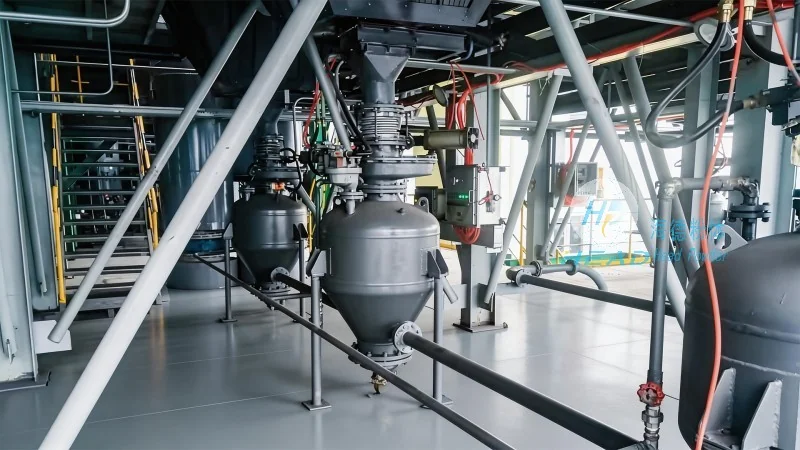
Key Components of a Rare Earth Pneumatic Conveying System
At the core of any pneumatic conveying system are several key components that work in tandem to ensure effective material transport. The primary components include a hopper or feeder for material storage and feeding, a conveying line (typically made of stainless steel or other corrosion-resistant materials to handle the chemical properties of rare earth powders), a compressor or blower to generate the air or gas flow, and a control system to regulate the pressure and flow rates. Additionally, the system may incorporate filters, cyclones, or other separation devices to clean the air and recover any material that may have escaped the conveying line. For rare earth applications, it is particularly important to use materials that are compatible with the specific chemical and physical properties of the powders, such as high-purity stainless steel or specialized plastics, to prevent contamination and ensure long-term system reliability.
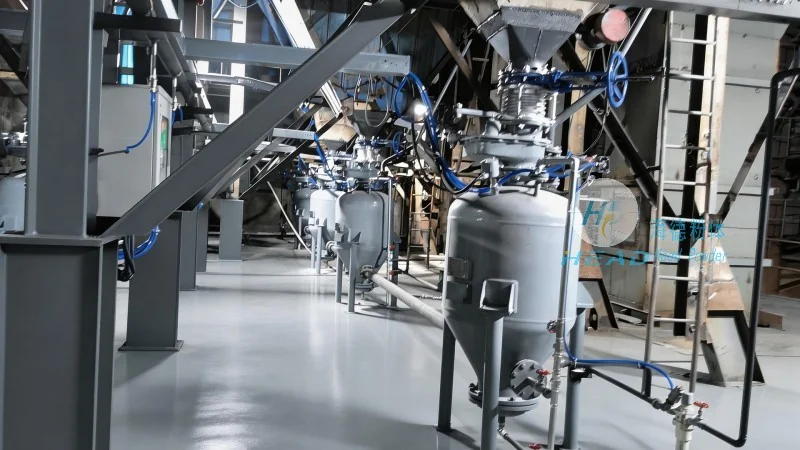
Design Principles for Efficient Rare Earth Material Transport
The design of a rare earth pneumatic conveying system is guided by several key principles aimed at optimizing performance, reliability, and cost-effectiveness. One of the most critical principles is maintaining a consistent and controlled air flow rate, as fluctuations in pressure can lead to material blockages or uneven distribution. The system must be designed to handle the specific bulk density and flow characteristics of rare earth powders, which can vary significantly depending on the material type and particle size. Another important principle is ensuring adequate air-to-material ratio, which is the ratio of air volume to material volume. An optimal ratio is essential to prevent material settling in the pipeline and to maintain a smooth, continuous flow. The design also considers the system's pressure requirements, which are influenced by the distance, height, and number of bends in the conveying line. Higher pressure systems are typically used for longer or more complex conveying routes, while lower pressure systems are suitable for shorter distances and simpler layouts. Furthermore, the system must incorporate proper sealing and sealing mechanisms to prevent air leakage and maintain the required pressure levels, which is vital for maintaining the efficiency of the conveying process.
Applications and Benefits of Rare Earth Pneumatic Conveying
Rare earth pneumatic conveying systems are widely used in various industrial applications where the handling of fine powders is required. These systems are commonly employed in the production of rare earth magnets, catalysts, and other high-value materials, where precision and minimal contamination are paramount. The benefits of using pneumatic conveying for rare earth materials include improved safety by containing dust and preventing exposure to workers, reduced downtime due to fewer maintenance requirements compared to mechanical systems, and enhanced product quality by minimizing material degradation or mixing with other substances. Additionally, the closed system design of pneumatic conveying helps maintain the purity of the rare earth powders, which is critical for applications where even trace impurities can affect performance. The flexibility of pneumatic systems also allows for easy integration into existing production lines, enabling manufacturers to adapt to changing production needs without significant modifications.
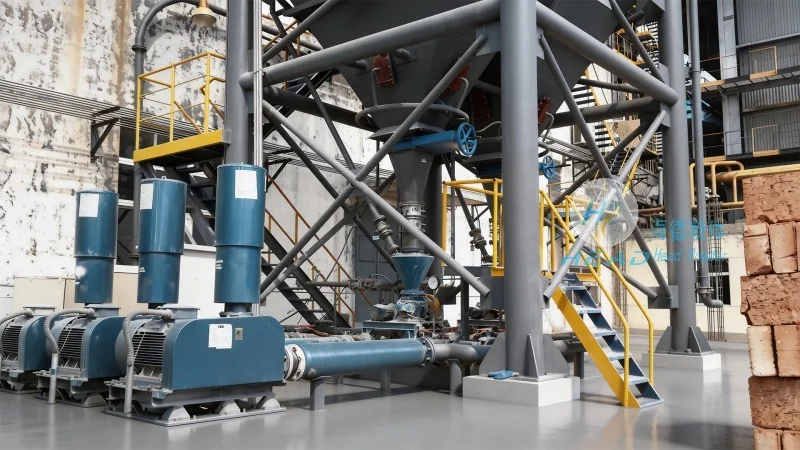
Company Overview: Shandong HeadPowder Engineering Co., Ltd.
Shandong HeadPowder Engineering Co., Ltd., commonly known as HeadPowder, is a leading provider of specialized engineering solutions for powder handling and material transport systems. With a strong focus on innovation and customer satisfaction, HeadPowder has established itself as a trusted partner in the industrial sector, particularly in the design and manufacturing of pneumatic conveying systems for rare earth and other critical materials. The company's expertise lies in understanding the unique challenges of handling fine powders and developing customized solutions that meet the specific requirements of each client. HeadPowder's team of engineers and technicians work closely with clients to assess their operational needs, provide technical advice, and deliver tailored systems that enhance efficiency and productivity. The company's commitment to quality and reliability is reflected in its use of high-grade materials and rigorous testing protocols, ensuring that each system meets or exceeds industry standards. HeadPowder's operations are based in Shandong, China, where it leverages local resources and expertise to support its global clientele.