

What is a dust pneumatic conveying system? What are its design principles?
A dust pneumatic conveying system is a technology used to transport bulk materials, such as powders and granules, through a pipeline using a fluid medium, typically air or gas. This method is widely employed in various industries, including food processing, pharmaceuticals, chemicals, and mining, due to its efficiency and ability to handle materials that are difficult to transport by conventional methods like gravity or mechanical conveyors. The system operates by creating a pressure differential that propels the material through the pipeline, making it a flexible and versatile solution for material handling. It offers advantages over traditional methods, including reduced labor costs, minimized dust emissions, and the ability to handle materials in a closed environment, which enhances safety and product quality.
Key Components of a Dust Pneumatic Conveying System
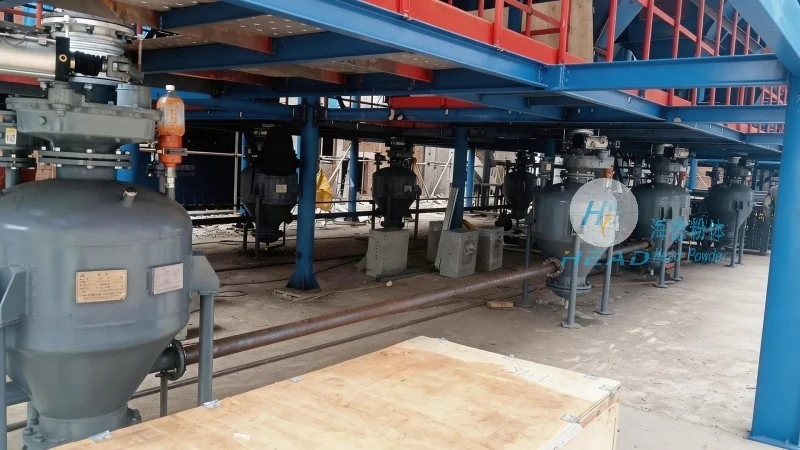
At the core of a dust pneumatic conveying system are several essential components that work in concert to ensure efficient material transport. These components include the material feed hopper, which holds the bulk material and regulates its flow into the system; the air compressor or blower, which generates the necessary air pressure to move the material; the conveying pipeline, which forms the path for the material and air; and the discharge unit, which delivers the material to its final destination. Additionally, auxiliary components like filters, silencers, and pressure regulators may be included to enhance system performance and safety. The feed hopper is designed to prevent material bridging and ensure a consistent flow rate, while the air compressor provides the driving force for the conveying process. The pipeline is typically made of materials like stainless steel or plastic, chosen based on the material's compatibility and the system's operating conditions. The discharge unit may include a valve or a rotary airlock to control the material's release and prevent backflow.
Design Principles and Considerations
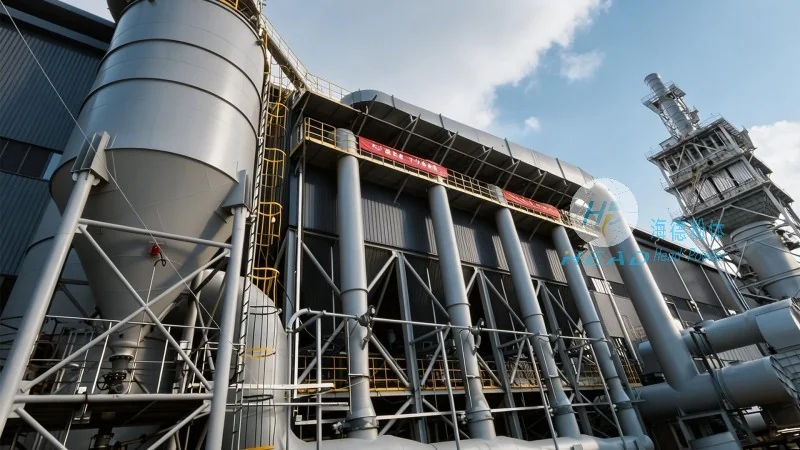
The design of a dust pneumatic conveying system involves several critical principles and considerations to ensure optimal performance and reliability. One of the primary design principles is the selection of the appropriate air velocity and pressure. The air velocity must be high enough to overcome the gravitational and frictional forces acting on the material particles, while also preventing excessive wear on the pipeline and components. The pressure level is determined by the distance the material needs to travel and the characteristics of the material being conveyed, such as its density and particle size. For example, heavier or larger particles may require higher air velocities and pressures to maintain a stable flow. Another key consideration is the material's physical properties, including its flowability, abrasiveness, and moisture content, as these factors can significantly impact the system's efficiency and longevity. Engineers must also account for the system's capacity, ensuring it can handle the required material throughput without causing bottlenecks or excessive energy consumption. Furthermore, the design must incorporate safety features, such as explosion-proof components and pressure relief valves, to mitigate risks associated with handling potentially hazardous materials. These safety measures are crucial, especially when dealing with flammable or toxic powders, as they help prevent accidents and ensure compliance with industry regulations.
Applications and Benefits
Dust pneumatic conveying systems find applications across a wide range of industries, each benefiting from the technology's unique advantages. In the food industry, for example, these systems are used to transport ingredients like flour, sugar, and spices, ensuring a hygienic and contamination-free process. The closed system design minimizes the risk of cross-contamination and maintains product integrity, which is essential for food safety standards. In the pharmaceutical sector, they are employed to handle active pharmaceutical ingredients (APIs) and other sensitive materials, maintaining strict purity standards. The pharmaceutical industry requires materials to be handled under sterile conditions, and pneumatic conveying systems can be integrated with cleanroom technology to achieve this. The chemical industry utilizes pneumatic conveying for transporting powders like catalysts and pigments, while the mining industry relies on these systems to move ore and other bulk materials from processing plants to storage facilities. The benefits of pneumatic conveying include increased flexibility in material handling, reduced labor costs, and improved safety compared to traditional methods. Additionally, the system's ability to handle materials in a closed environment minimizes dust emissions and environmental impact, making it a more sustainable option for many applications. This environmental advantage is particularly important as industries strive to meet stricter regulations regarding air quality and waste management.
Company Overview: Shandong HeadPowder Engineering Co., Ltd.
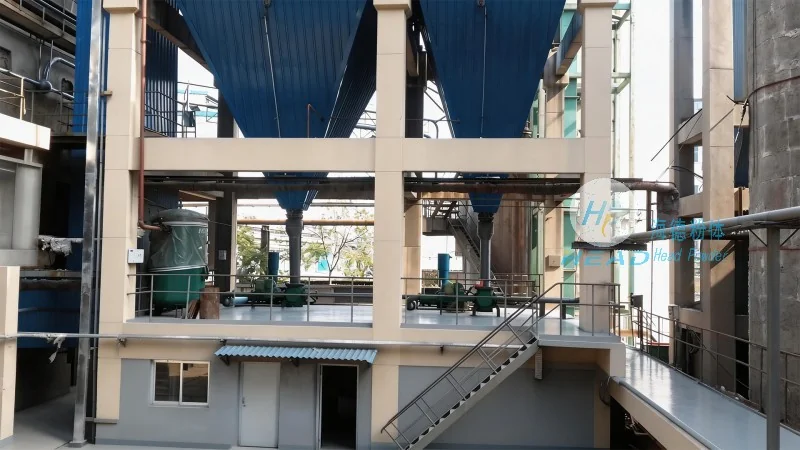
Shandong HeadPowder Engineering Co., Ltd., a leading manufacturer of dust pneumatic conveying systems, specializes in providing customized solutions tailored to the specific needs of its clients. With a strong commitment to quality and innovation, the company has built a reputation for delivering reliable and efficient material handling equipment. HeadPowder's team of experienced engineers and technicians works closely with clients to understand their operational requirements and design systems that meet their exact specifications. The company's facilities, located in Shandong, China, are equipped with advanced manufacturing and testing capabilities, ensuring that each system is built to the highest standards. By combining technical expertise with a customer-centric approach, HeadPowder has become a trusted partner for businesses seeking to optimize their material handling processes. The company's products are designed to be durable, low-maintenance, and energy-efficient, which helps clients reduce operational costs over the long term. HeadPowder also offers after-sales support, including installation, maintenance, and troubleshooting services, to ensure that its systems continue to operate at peak performance. This comprehensive service approach has contributed to the company's success in the competitive material handling market.