

What is a Carbon Fiber Pneumatic Conveying System? What Are Its Design Principles?
Carbon fiber pneumatic conveying systems represent a sophisticated and efficient method for transporting bulk materials through a pipeline using air or other gas as the conveying medium. These systems are particularly valued in industries requiring high precision, minimal material degradation, and robust performance under demanding conditions. The core of such systems lies in the seamless integration of carbon fiber components with traditional pneumatic conveying technology, offering enhanced durability and reduced maintenance compared to conventional metal or plastic alternatives.
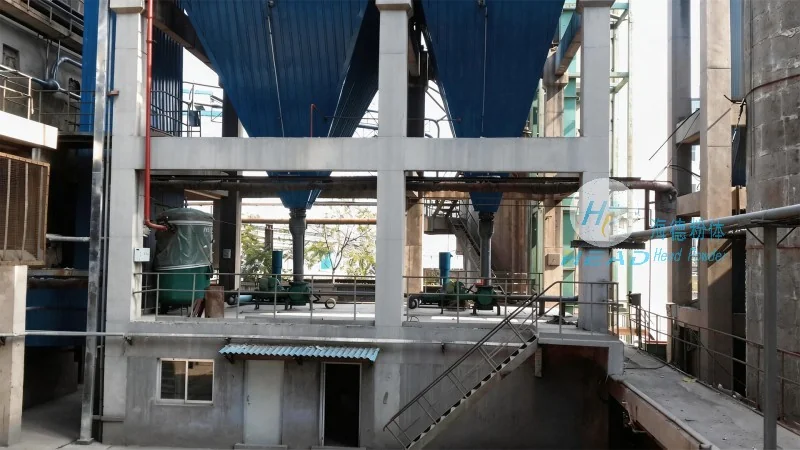
At the heart of a carbon fiber pneumatic conveying system is the design principle of utilizing air pressure to move particulate materials. The system typically consists of a hopper, a venturi or eductor, a pipeline network, and a receiver. The hopper stores the material to be conveyed, while the venturi creates a low-pressure zone that draws the material into the pipeline as the air flows. Carbon fiber is employed in critical components like the venturi, pipeline, and sometimes the hopper or receiver, due to its exceptional strength-to-weight ratio, corrosion resistance, and thermal stability. This material choice minimizes wear and tear, extends the operational lifespan of the system, and ensures consistent material handling performance.
The design principles of carbon fiber pneumatic conveying systems are centered on optimizing material flow, energy efficiency, and system reliability. Engineers at Shandong HeadPowder Engineering Co., Ltd. specialize in tailoring these systems to meet specific industrial needs, such as handling fine powders, granules, or even abrasive materials. The use of carbon fiber in the pipeline and venturi components reduces friction and pressure drop, allowing for more efficient air usage and lower operational costs. Additionally, carbon fiber's non-conductive properties make it suitable for handling sensitive or electrically charged materials without risk of static discharge or material contamination.
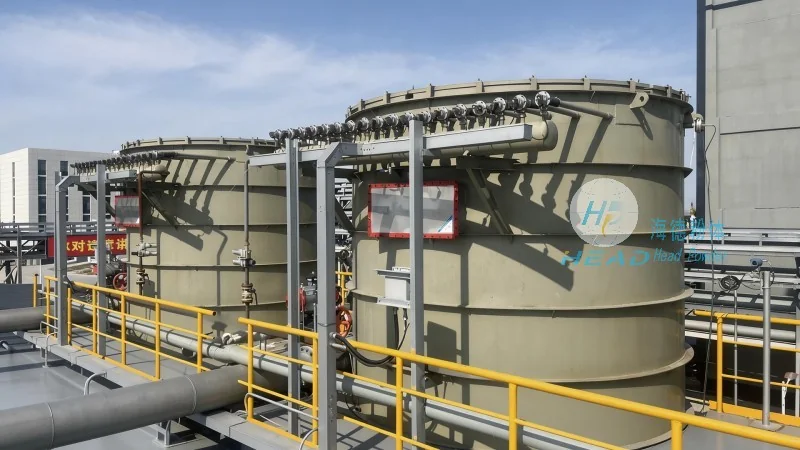
Key design considerations include the selection of appropriate carbon fiber grades and manufacturing processes to ensure the system can withstand the mechanical stresses and chemical environments of the application. For instance, in industries dealing with corrosive or abrasive materials, high-modulus carbon fiber reinforced polymers (CFRPs) are preferred to maintain structural integrity. The integration of advanced materials like carbon fiber also enables the design of lightweight yet robust components, which is crucial for systems requiring installation in confined spaces or where weight constraints are a factor.
Shandong HeadPowder Engineering Co., Ltd., a leading manufacturer in the field, leverages decades of expertise to develop carbon fiber pneumatic conveying systems that meet the highest standards of performance and durability. The company's commitment to quality is evident in its use of premium carbon fiber materials and rigorous quality control processes. With a manufacturing facility located in Shandong, China, HeadPowder provides comprehensive solutions for clients worldwide, from system design and fabrication to installation and after-sales support. The company's focus on customer-specific requirements ensures that each carbon fiber pneumatic conveying system is optimized for the unique challenges of the application, whether it involves high-temperature environments, aggressive materials, or strict cleanliness standards.
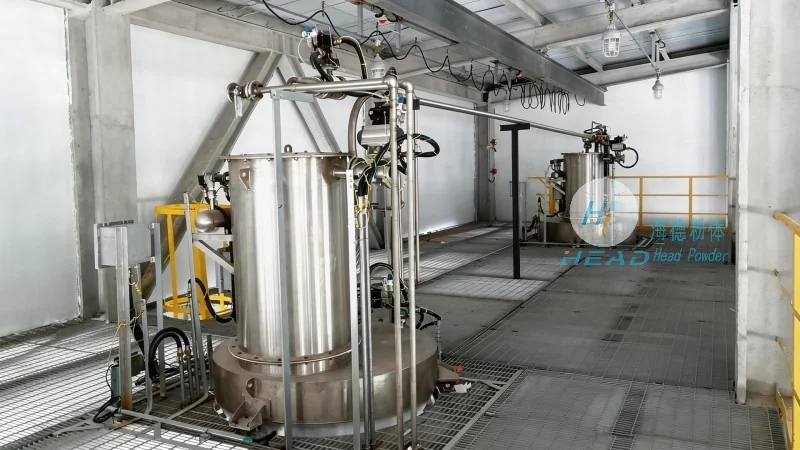
When evaluating a carbon fiber pneumatic conveying system, several factors contribute to its effectiveness. The system's ability to maintain consistent material flow rates, minimize product degradation, and reduce energy consumption are critical performance indicators. Carbon fiber components, due to their low friction and resistance to corrosion, contribute significantly to these outcomes. Additionally, the system's design must account for the specific properties of the material being conveyed, such as particle size, density, and moisture content, to ensure optimal operation. Engineers at HeadPowder conduct thorough analyses of these factors to design systems that deliver reliable and efficient material handling solutions.
In conclusion, carbon fiber pneumatic conveying systems represent a cutting-edge solution for bulk material transport, combining the efficiency of pneumatic conveying with the durability and performance advantages of carbon fiber materials. Shandong HeadPowder Engineering Co., Ltd. plays a pivotal role in advancing this technology, providing tailored systems that meet the diverse needs of modern industries. By prioritizing material quality, design innovation, and customer-centric solutions, HeadPowder continues to set new standards in the field of carbon fiber pneumatic conveying systems.