

What is a Ternary Lithium Gas-Solid Pneumatic Conveying Line? And Its Design Principles
Gas-solid pneumatic conveying lines are a critical technology in material handling, especially for fine powders and granules like ternary lithium compounds. These systems use compressed air or other gases to transport solid materials through a pipeline, offering advantages such as dust-free operation, low maintenance, and the ability to handle sensitive materials without contamination. Understanding the concept of a ternary lithium gas-solid pneumatic conveying line and its design principles is essential for industries involved in lithium battery production and related applications.
What is a Ternary Lithium Gas-Solid Pneumatic Conveying Line?
A ternary lithium gas-solid pneumatic conveying line is a specialized system designed to transport ternary lithium materials—typically a mixture of lithium, cobalt, nickel, and manganese compounds—through a pipeline using a gas stream. These materials are vital components in lithium-ion battery manufacturing, and efficient handling is crucial for product quality and process efficiency. The system combines a conveying pipeline, a gas source (usually compressed air), and control equipment to move the solid material from a source point to a destination point, such as a storage silo or processing unit. Unlike traditional mechanical conveying methods, pneumatic systems are ideal for handling fine powders prone to caking or agglomeration, as the gas flow prevents material buildup and maintains consistent particle size distribution.
Key Components of a Ternary Lithium Gas-Solid Pneumatic Conveying System
The design of a ternary lithium gas-solid pneumatic conveying line involves several key components that work in tandem to ensure reliable and efficient material transport. These components include:
- Conveying Pipeline: Typically made of stainless steel or other corrosion-resistant materials to withstand lithium compound properties and prevent contamination. The pipeline features smooth internal surfaces to minimize friction and reduce material accumulation risk.
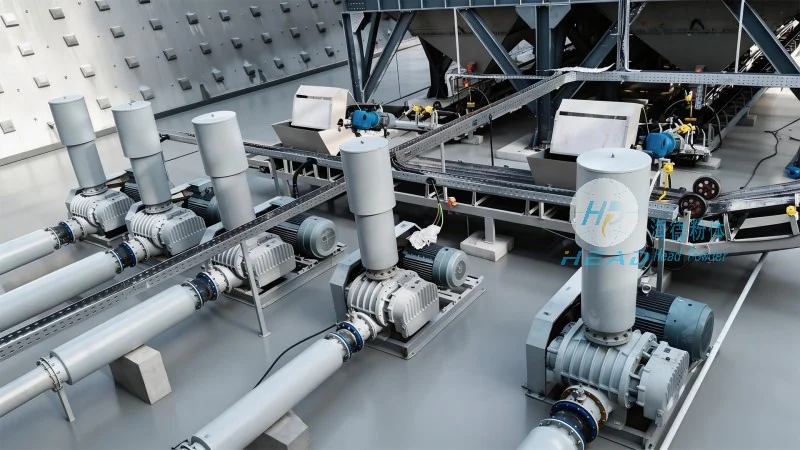
- Gas Source and Blower: A high-pressure air compressor or blower provides the necessary gas flow to move the solid material. Pressure and flow rate are carefully controlled to match material characteristics, ensuring optimal conveying performance without excessive wear.
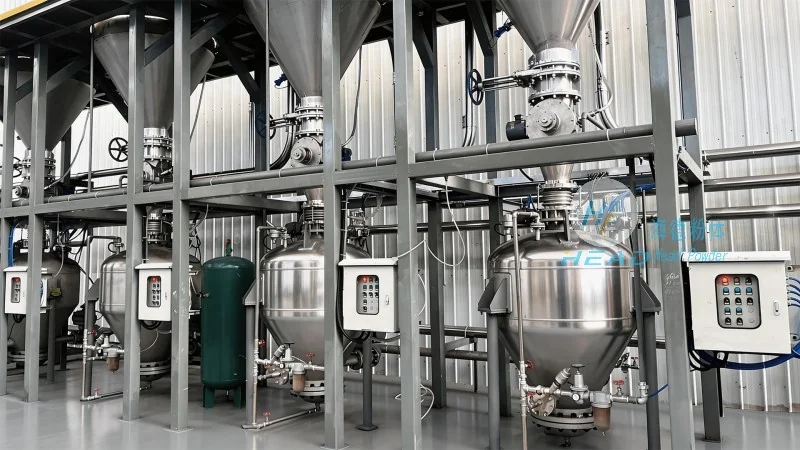
- Material Feed System: This component, often a hopper or feeder, introduces ternary lithium material into the pipeline at a controlled rate. The feeder may include rotary valves or screw mechanisms to ensure consistent flow, preventing blockages and maintaining system stability.
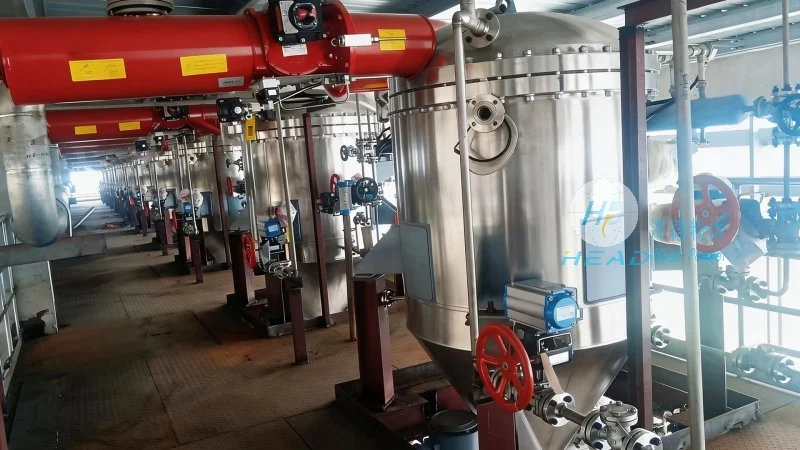
- Separation and Collection Equipment: At the receiving end, a separator (cyclone or bag filter) separates conveyed material from the gas stream. This ensures efficient collection and clean exhaust gas, meeting environmental and safety standards.
- Control and Monitoring Systems: Modern systems incorporate advanced control panels and sensors to monitor pressure, flow rate, and material levels. These allow real-time adjustments to optimize performance and prevent issues like overloading or under-conveying.
Design Principles for Efficient Ternary Lithium Conveying
The design of a ternary lithium gas-solid pneumatic conveying line is based on several fundamental principles to ensure efficiency, reliability, and safety. These principles include:
1. Velocity and Pressure Considerations: The gas velocity within the pipeline must be sufficient to lift and transport solid material without causing excessive particle breakage or degradation. The pressure drop across the system is calculated to ensure the blower maintains the required flow rate while minimizing energy consumption. For fine powders like ternary lithium, velocity is optimized to prevent caking but avoid excessive wear.
2. Material Characteristics: The design accounts for the physical properties of ternary lithium compounds, including particle size, density, and moisture content. Larger or denser particles may require higher gas velocities or pressure, while fine powders need lower velocities to prevent excessive pressure drop and energy use. The system is designed to handle material property variations for consistent performance.
3. System Sizing and Layout: Pipeline diameter, length, and layout are critical. The diameter is chosen based on material flow rate and gas velocity to handle required throughput without excessive pressure loss. Layout minimizes bends and direction changes to reduce pressure drops and material accumulation. For long-distance conveying, intermediate booster stations maintain required pressure and flow.
4. Safety and Environmental Compliance: Ternary lithium handling requires strict safety and environmental regulations. The system incorporates explosion-proof components, dust collection systems, and material containment measures. It minimizes dust emissions and prevents lithium particle release, protecting personnel and the environment.
Advantages of Ternary Lithium Gas-Solid Pneumatic Conveying Lines
Implementing a ternary lithium gas-solid pneumatic conveying line offers advantages over traditional mechanical methods. These benefits include:
- Dust-Free Operation: Unlike mechanical systems that generate dust, pneumatic lines operate in a closed system, reducing dust exposure and contamination risk.
- Low Maintenance: The absence of moving parts in the pipeline (except for feeders and separators) reduces maintenance needs, lowering operational costs and downtime.
- Flexibility in Layout: Pneumatic systems can be easily reconfigured or expanded to accommodate production changes or facility layout adjustments.
- Efficient Material Handling: The system handles a wide range of material types and flow rates, suitable for small-scale and large-scale lithium battery production.
- Reduced Contamination: The closed system prevents cross-contamination between different batches of ternary lithium materials, ensuring product purity and consistency.
Applications in the Lithium Battery Industry
Ternary lithium gas-solid pneumatic conveying lines are widely used in lithium battery manufacturing, particularly for handling raw materials and intermediate products. Common applications include:
- Transport of Raw Materials: Conveying ternary lithium compounds from storage silos to mixing and processing units.
- Transfer of Intermediate Products: Moving mixed lithium compounds from the mixing stage to drying or pelletizing equipment.
- Handling of Waste Materials: Collecting and transporting waste or byproducts from the battery production process to disposal or recycling facilities.
- Batch Processing Support: Ensuring consistent material flow during batch production runs, critical for maintaining product quality and meeting targets.
Conclusion
A ternary lithium gas-solid pneumatic conveying line is a sophisticated system designed to handle the unique challenges of transporting ternary lithium materials. By understanding key components, design principles, and advantages, industries can optimize material handling processes, improve product quality, and reduce operational costs. As a leading manufacturer in this field, Shandong HeadPowder Engineering Co., Ltd. provides high-quality pneumatic conveying solutions tailored to lithium battery manufacturers' needs, ensuring reliable and safe material transport in compliance with industry standards.