

What is a Dry Coffee Pneumatic Conveying System? And What Are Its Design Principles?
When it comes to efficiently handling dry coffee beans and other similar bulk materials, dry coffee pneumatic conveying systems offer a reliable and efficient solution. These systems utilize air or gas to transport materials through a network of pipes, eliminating the need for mechanical components like belts or chains that might introduce contamination or wear. Understanding the fundamentals of such systems, including their design principles, is crucial for optimizing performance and ensuring product quality.
What is a Dry Coffee Pneumatic Conveying System?
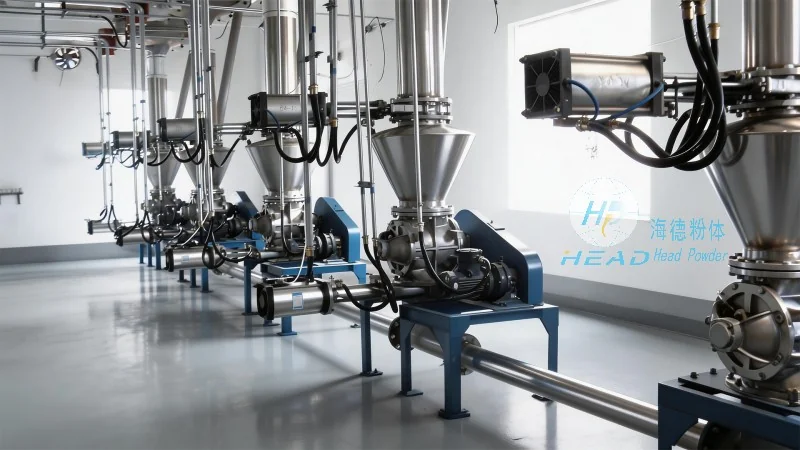
A dry coffee pneumatic conveying system is a type of bulk material handling equipment that uses air pressure to move dry coffee beans or other granular materials from one location to another. Unlike traditional mechanical conveyors, which rely on physical contact and moving parts, pneumatic systems operate by creating a flow of air that propels the material through a sealed pipeline. This method is particularly advantageous for delicate products like coffee, as it minimizes the risk of breakage, contamination, and degradation during transport.
Key Components of a Dry Coffee Pneumatic Conveying System
The effectiveness of a dry coffee pneumatic conveying system depends on several critical components that work in harmony to ensure smooth material transport. The primary components include:
- Feed Hopper: A container that holds the dry coffee beans and feeds them into the system at a controlled rate. The hopper is designed to prevent material bridging and ensure consistent flow.
- Air Supply System: This component generates the necessary air pressure or vacuum to move the material through the pipeline. It typically includes a blower or compressor, filters, and control valves to regulate air flow and pressure.
- Pipeline Network: A network of pipes that forms the path for the material and air mixture. The pipe diameter, length, and layout are carefully designed to maintain optimal air velocity and prevent material settling or blockages.
- Separation and Collection Unit: At the receiving end, this unit separates the coffee beans from the air stream. It may include cyclones, filters, or bagging stations to collect the material and return the air to the system or release it to the environment.
Design Principles for Optimal Performance
The design of a dry coffee pneumatic conveying system involves several key principles aimed at maximizing efficiency, minimizing energy consumption, and ensuring product integrity. These principles are tailored to the specific characteristics of dry coffee beans, such as their size, density, moisture content, and flowability.
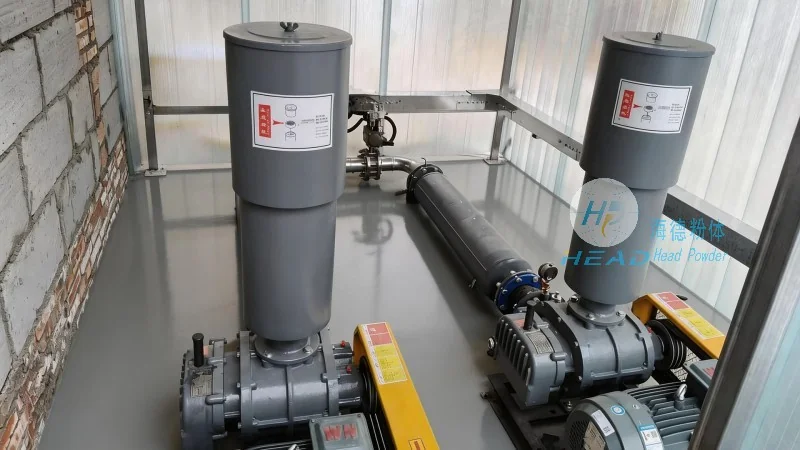
First, the system must maintain a consistent air velocity throughout the pipeline. This velocity is typically between 20 to 30 meters per second for coffee beans, as it balances the need to keep the material suspended without excessive energy use. The air velocity is calculated based on the material's particle size and density to prevent settling or blockages.
Second, the system employs either positive pressure or negative pressure (or a combination of both) depending on the application. Positive pressure systems use a blower to push the material through the pipeline, while negative pressure systems use a vacuum to pull it. The choice depends on factors like the distance to be covered and the material's characteristics. For long-distance transport, positive pressure systems are often preferred due to their higher efficiency and ability to handle larger quantities.
Third, the design considers the material's flow properties. Coffee beans are often prone to bridging or arching in hoppers, which can disrupt the feeding process. Therefore, feed hoppers are equipped with agitators or vibrators to break up any arches and ensure a steady flow. Additionally, the pipeline is designed with gradual bends and smooth transitions to avoid pressure losses and material abrasion.
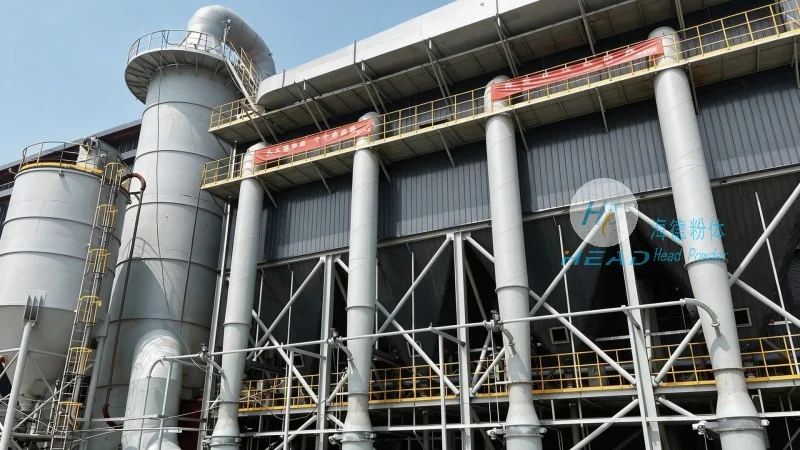
Fourth, energy efficiency is a critical design consideration. The system's blower or compressor is sized to provide just enough air to maintain the required velocity without wasting energy. This is achieved through proper sizing of the air supply and regular maintenance to ensure optimal performance.
Applications and Benefits in the Coffee Industry
Dry coffee pneumatic conveying systems are widely used in various stages of coffee processing, from raw bean handling to packaging. Their benefits include:
- Hygienic and Contamination-Free Transport: The sealed pipeline prevents exposure to dust, moisture, or contaminants, maintaining the quality and safety of the coffee beans.
- Reduced Labor and Maintenance: Unlike mechanical conveyors, pneumatic systems have fewer moving parts, reducing the need for frequent maintenance and lowering labor costs.
- Flexibility and Scalability: The system can be easily expanded or reconfigured to accommodate changes in production volume or processing requirements.
- Energy Efficiency: Modern systems are designed to minimize energy consumption, making them cost-effective and environmentally friendly.
Conclusion
Understanding the design principles of dry coffee pneumatic conveying systems is essential for optimizing their performance in the coffee industry. By carefully considering factors such as air velocity, pressure, material characteristics, and system components, manufacturers can develop efficient and reliable systems that ensure the quality and integrity of coffee beans throughout the handling process. As a leading provider in this field, Shandong HeadPowder Engineering Co., Ltd. leverages advanced engineering and manufacturing expertise to deliver customized pneumatic conveying solutions tailored to the specific needs of coffee producers worldwide.