

What is a Sawdust Granule Pneumatic Conveying System? What are its Design Principles?
For industries dealing with sawdust and other granular materials, efficient material handling is crucial. A sawdust granule pneumatic conveying system offers a reliable solution for transporting these materials from one location to another. This article explores what such a system entails and the key design principles that underpin its operation, with insights from Shandong HeadPowder Engineering Co., Ltd., a leading provider of material handling solutions.
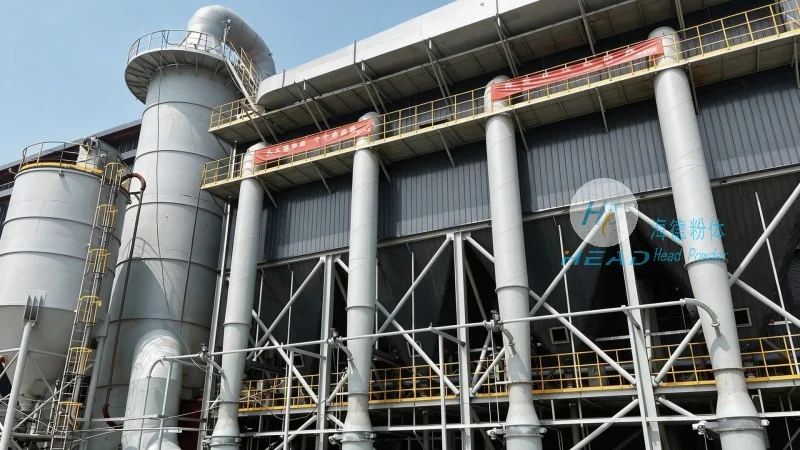
Understanding Sawdust Granule Pneumatic Conveying Systems
A sawdust granule pneumatic conveying system is a type of material handling equipment that uses compressed air or other gas to transport granular materials like sawdust. The system typically consists of a hopper, a conveyor line, and a receiver. The process begins when the sawdust is fed into the hopper, where it is then drawn into the conveyor line by the air flow. The compressed air propels the sawdust particles through the pipeline to the desired destination, such as a storage silo or processing unit. This method eliminates the need for mechanical components like belts or chains, reducing maintenance and increasing operational efficiency. Shandong HeadPowder Engineering Co., Ltd. specializes in designing and manufacturing such systems tailored to the specific needs of their clients.
Key Design Principles of Pneumatic Conveying Systems
The design of a sawdust granule pneumatic conveying system is based on several critical principles to ensure optimal performance and reliability. The first principle is the selection of the appropriate air velocity. The air velocity must be high enough to keep the sawdust particles suspended in the air stream but not so high as to cause excessive wear on the system components. The second principle is the proper sizing of the pipeline. The diameter and length of the pipeline are crucial factors that affect the system's capacity and pressure drop. A correctly sized pipeline minimizes energy consumption and prevents blockages. The third principle is the use of appropriate materials for the system components. Sawdust can be abrasive, so the materials used for the hopper, conveyor line, and receiver must be durable and resistant to wear and corrosion. Additionally, the system must be equipped with proper filtration and separation mechanisms to prevent sawdust from clogging the air filters and other components. The engineering team at Shandong HeadPowder Engineering Co., Ltd. carefully considers these factors to deliver systems that meet the highest standards of performance and durability.
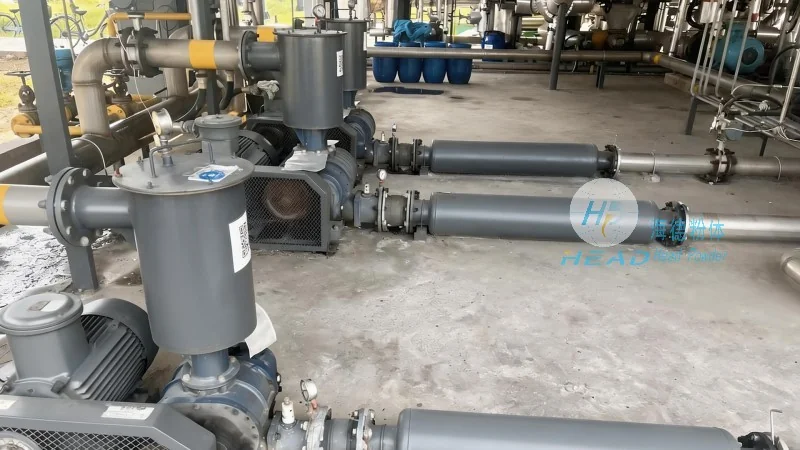
Components and Functionality of the System
The sawdust granule pneumatic conveying system comprises several key components, each with a specific function. The hopper is the starting point of the system, where the sawdust is stored and fed into the conveyor line. The hopper is typically designed with a sloped bottom to facilitate the flow of sawdust into the conveyor line. The conveyor line is the main part of the system, which transports the sawdust through the pipeline using compressed air. The line is usually made of metal or plastic, depending on the application and the material being conveyed. The receiver is the end point of the system, where the sawdust is deposited. The receiver is often a storage silo or a processing unit, and it is designed to handle the volume of sawdust being delivered. The company's expertise in material handling ensures that each component is optimized for the specific sawdust characteristics and operational requirements.
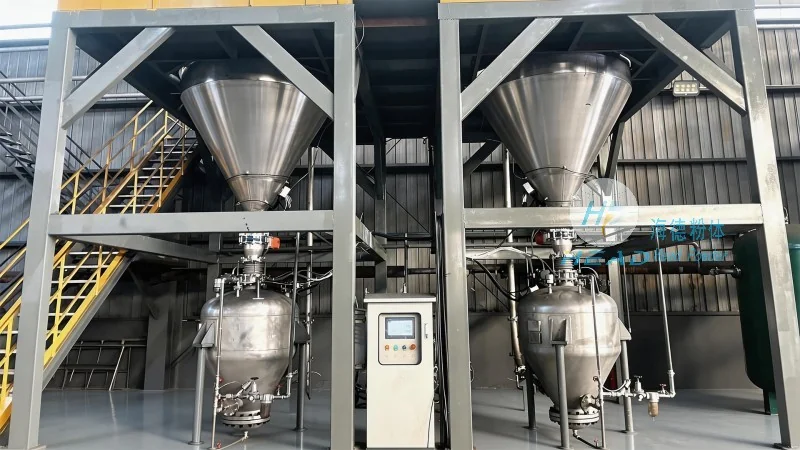
Advantages of Using a Pneumatic Conveying System for Sawdust
There are several advantages to using a sawdust granule pneumatic conveying system. First, it is a clean and hygienic method of transporting sawdust, as it does not involve any mechanical contact with the material. This reduces the risk of contamination and makes it suitable for applications where food or pharmaceutical products are processed. Second, the system is flexible and can be easily adapted to different production requirements. The conveyor line can be extended or reconfigured to accommodate changes in production volume or layout. Third, the system is energy-efficient, as it uses compressed air to transport the material, which is more efficient than mechanical systems that rely on belts or chains. Finally, the system is low-maintenance, as it has fewer moving parts and requires less frequent cleaning and maintenance. These benefits make the system an attractive option for businesses looking to improve their material handling processes.
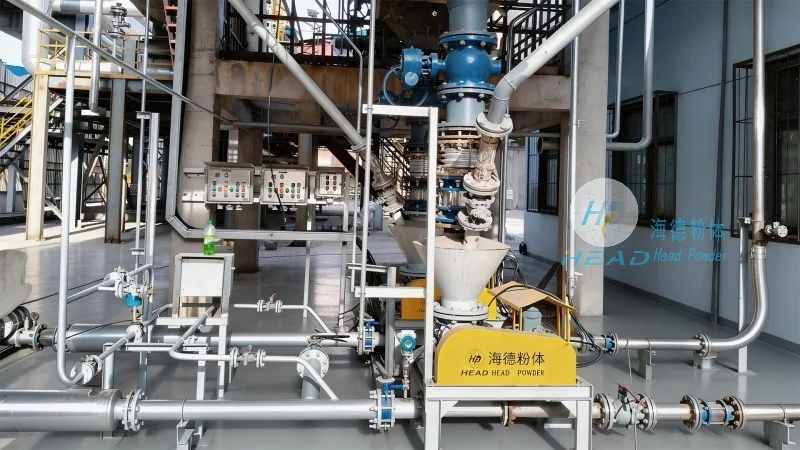
Applications of Sawdust Granule Pneumatic Conveying Systems
Sawdust granule pneumatic conveying systems are widely used in various industries, including woodworking, paper manufacturing, and biomass energy production. In the woodworking industry, the system is used to transport sawdust from the sawmill to the storage silo or processing unit. In the paper manufacturing industry, the system is used to transport sawdust as a raw material for paper production. In the biomass energy industry, the system is used to transport sawdust to the combustion chamber of a biomass power plant. The system is also used in other industries where granular materials need to be transported over long distances or through complex layouts. Shandong HeadPowder Engineering Co., Ltd. has successfully implemented such systems in numerous projects across China and beyond, demonstrating their effectiveness and reliability.
Conclusion
A sawdust granule pneumatic conveying system is an efficient and reliable method for transporting sawdust and other granular materials. The system is based on several key design principles, including the selection of appropriate air velocity, proper pipeline sizing, and the use of durable materials. The system comprises several components, including a hopper, conveyor line, and receiver, each with a specific function. The advantages of using such a system include its clean and hygienic operation, flexibility, energy efficiency, and low maintenance. The system is widely used in various industries, including woodworking, paper manufacturing, and biomass energy production. By understanding the design principles and components of a sawdust granule pneumatic conveying system, businesses can make informed decisions about their material handling needs and choose the most suitable system for their operations. Shandong HeadPowder Engineering Co., Ltd. continues to innovate and provide high-quality solutions to meet the evolving demands of the material handling industry.