

What is a PVC Pneumatic Conveying System? What Are Its Design Principles?
When it comes to material handling in industrial settings, the choice of equipment can significantly impact efficiency, cost, and operational safety. Among the various technologies available, pneumatic conveying systems stand out as a versatile solution for transporting bulk materials. This article explores the concept of a PVC pneumatic conveying system, detailing its fundamental design principles and the key factors that contribute to its effectiveness in industrial applications.
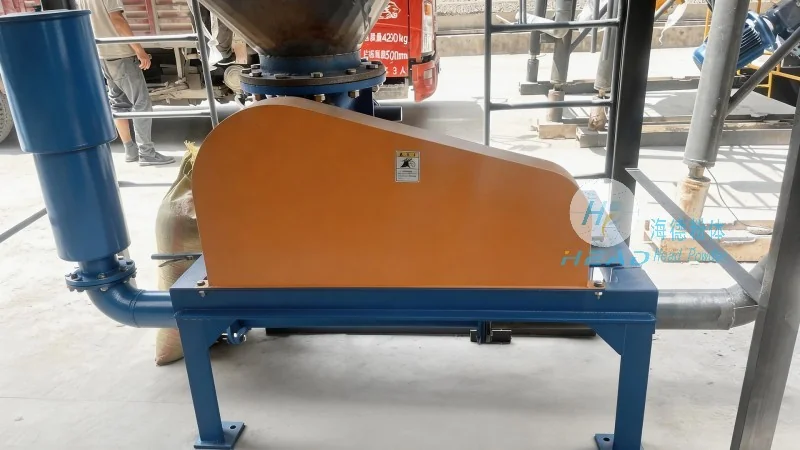
Understanding PVC Pneumatic Conveying Systems
A PVC pneumatic conveying system is a type of pneumatic transport technology that utilizes compressed air to move bulk materials from one location to another. The system typically consists of a series of components, including a material feed hopper, a conveying line (often made of PVC or other flexible materials), a pressure vessel or receiver, and a control system. The primary goal of this system is to transport dry, free-flowing materials such as powders, granules, or fine particles without the need for mechanical components like belts or buckets.
Key Design Principles of PVC Pneumatic Conveying Systems
The design of a PVC pneumatic conveying system is governed by several critical principles that ensure optimal performance and reliability. These principles include:
1. Material Compatibility: The selection of PVC as the primary material for the conveying line is crucial due to its resistance to chemical corrosion and its ability to handle a wide range of materials, including those that are sensitive to moisture or temperature changes. This makes PVC an ideal choice for industries such as food processing, pharmaceuticals, and chemical manufacturing.
2. Pressure and Flow Management: Proper design involves controlling the air pressure and flow rate to achieve the desired conveying velocity. The system must maintain sufficient air velocity to keep the material suspended and prevent clogging or blockages. This is typically achieved through the use of appropriate nozzle sizes, airlocks, and pressure regulators.
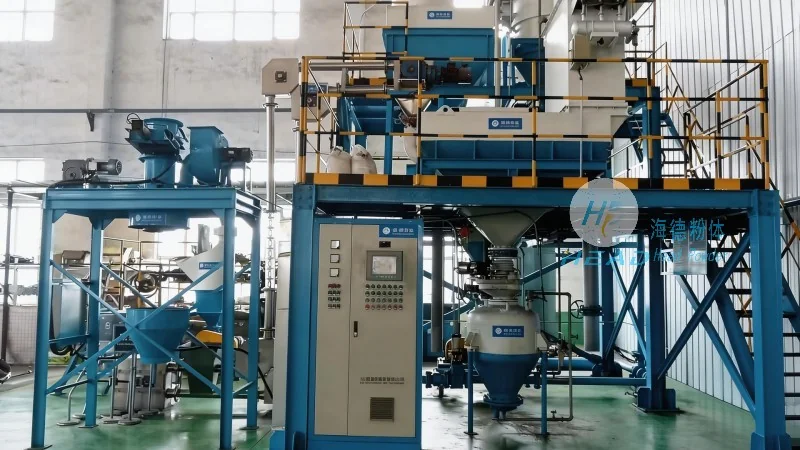
3. System Sizing and Capacity: The design must consider the specific requirements of the application, including the volume and type of material to be conveyed, the distance between the feed and discharge points, and the required throughput. Proper sizing ensures that the system operates efficiently without excessive energy consumption or pressure drops.
4. Material Handling Considerations: The system must account for the physical properties of the material, such as particle size, density, and flowability. For example, cohesive or sticky materials may require additional components like vibrators or agitators to prevent buildup and ensure smooth transport.
Components and Functionality of a PVC Pneumatic Conveying System
Each component of a PVC pneumatic conveying system plays a vital role in the overall operation. The material feed hopper is responsible for storing and feeding the bulk material into the system. The conveying line, made of PVC, transports the material under pressure. The pressure vessel or receiver collects the material at the discharge point and may include features like a dust filter or cyclone separator to remove air and fine particles. The control system monitors and adjusts the air pressure and flow to maintain optimal performance.
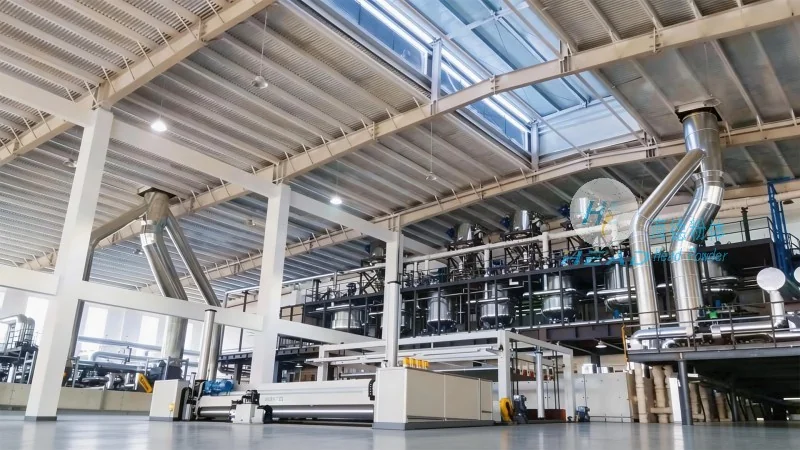
Applications and Benefits of PVC Pneumatic Conveying Systems
PVC pneumatic conveying systems are widely used in various industries due to their flexibility and efficiency. Some common applications include:
1. Food and Pharmaceutical Industries: These industries require systems that can handle materials with strict hygiene and contamination control. PVC is an excellent choice as it is easy to clean and maintain, and it does not impart any taste or odor to the product.
2. Chemical and Petrochemical Industries: The system can handle corrosive or abrasive materials without damage to the equipment, making it suitable for a wide range of chemical processes.
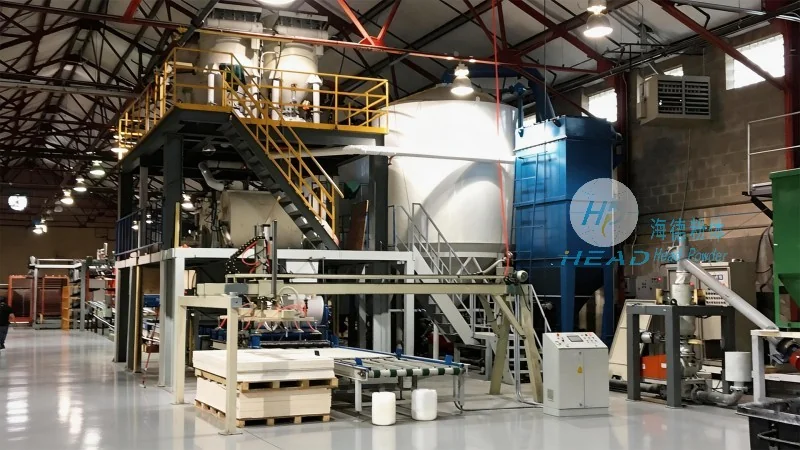
3. Mining and Mineral Processing: The system is used to transport raw materials from mines to processing facilities, often over long distances with minimal maintenance.
4. Construction Materials: It can efficiently convey sand, cement, and other building materials to different parts of a construction site.
Overall, the benefits of a PVC pneumatic conveying system include reduced labor costs, increased safety (as there are no moving parts in direct contact with the material), and the ability to handle materials in a clean and controlled environment.
Conclusion
In conclusion, a PVC pneumatic conveying system is a sophisticated and efficient solution for transporting bulk materials in industrial settings. Its design principles, which focus on material compatibility, pressure management, and system sizing, ensure that it can handle a wide range of applications with high reliability and low maintenance. As a leading provider in this field, Shandong HeadPowder Engineering Co., Ltd. specializes in designing and manufacturing such systems to meet the diverse needs of its clients. With a strong commitment to quality and innovation, the company ensures that its products are tailored to the specific requirements of each project, delivering optimal performance and long-term value.