

What is a Glass Fiber Powder Pneumatic Conveying System? And What Are Its Design Principles?
For industrial applications involving the handling of glass fiber powders, efficient and reliable material transport is crucial. A glass fiber powder pneumatic conveying system is a specialized equipment designed to transport these powders through a pipeline using air or other gas as the conveying medium. This technology offers a solution to the challenges associated with traditional bulk material handling methods, such as dust, contamination, and material degradation.
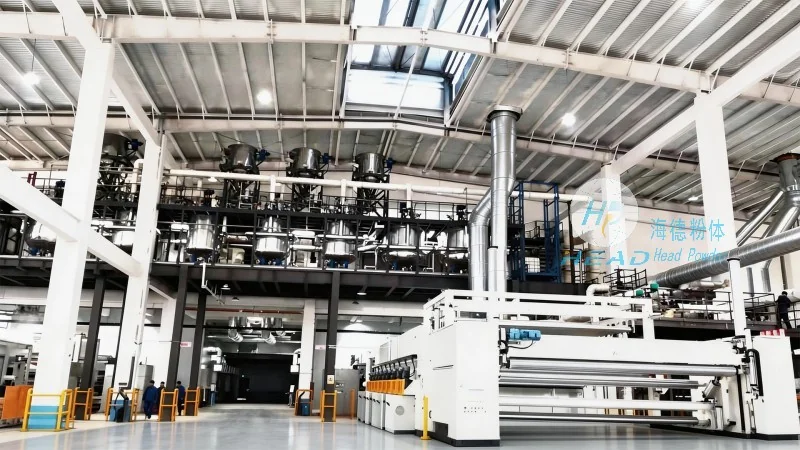
Key Components of a Glass Fiber Powder Pneumatic Conveying System
The core components of a glass fiber powder pneumatic conveying system typically include a hopper for material storage, a feeder to control the flow rate, a conveying line (often made of materials resistant to abrasion and corrosion), a pressure or vacuum source to generate the conveying force, and a receiver for the material at the destination. Each component plays a vital role in ensuring the system operates efficiently and safely.
Design Principles for Glass Fiber Powder Pneumatic Conveying
The design of a glass fiber powder pneumatic conveying system is tailored to the specific characteristics of glass fiber powders, which include high abrasiveness, potential static charge buildup, and sensitivity to moisture. Key design principles include:
1. **Material Compatibility**: The system components, especially the conveying line and hoppers, are constructed from materials that can withstand the abrasive nature of glass fibers. Common materials include stainless steel, special alloys, or high-quality plastics designed for durability.
2. **Aeration and Flow Control**: Proper aeration is essential to maintain a consistent flow of material and prevent blockages. The system uses controlled air pressure or vacuum to ensure the powder moves smoothly through the pipeline without excessive pressure drops.
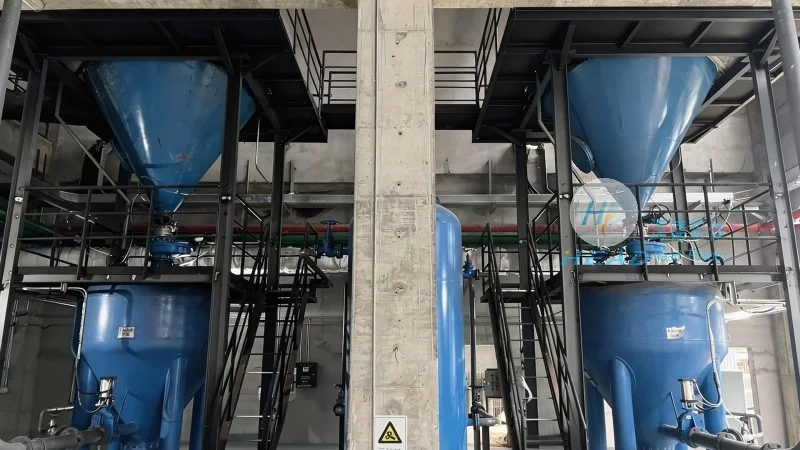
3. **Prevention of Static Electricity**: Glass fibers are prone to generating static electricity, which can lead to material accumulation or even fire hazards. Design measures include anti-static coatings, grounding systems, and the use of conductive materials to dissipate static charges.
4. **Moisture Control**: Glass fiber powders are often sensitive to moisture, which can affect their quality and handling properties. The system is designed to minimize exposure to moisture, with sealed hoppers and dry air or gas used for conveying.
Applications and Benefits of Glass Fiber Powder Pneumatic Conveying
Glass fiber powder pneumatic conveying systems are widely used in various industries, including composites manufacturing, insulation production, and filtration systems. The benefits of this technology include:
1. **Clean and Contamination-Free Transport**: Unlike traditional methods like belt conveyors or bucket elevators, pneumatic conveying minimizes dust and contamination, ensuring the material remains clean and free from foreign particles.
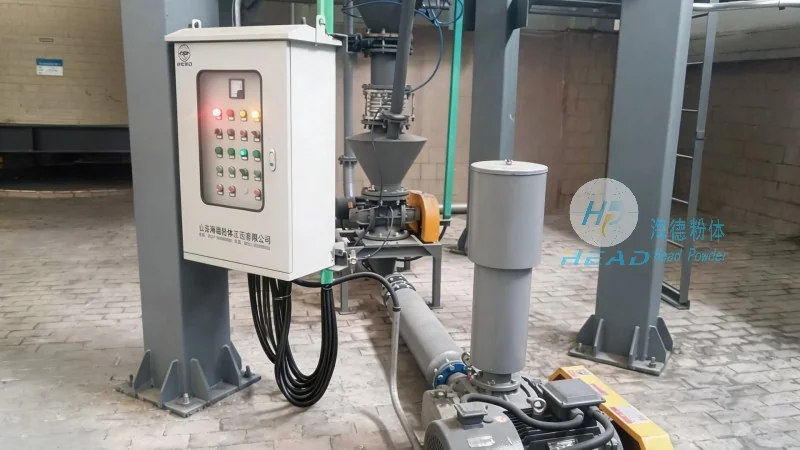
2. **Space Efficiency**: The system can be installed in confined spaces, as the conveying line is flexible and can be routed around obstacles, making it suitable for facilities with limited floor space.
3. **Reduced Maintenance**: With fewer moving parts compared to mechanical conveyors, pneumatic systems generally require less maintenance and have longer service lives.
4. **Versatility**: The system can handle a wide range of material types and flow rates, making it adaptable to different production needs.
About Shandong HeadPowder Engineering Co., Ltd.
Shandong HeadPowder Engineering Co., Ltd., operating under the brand name HeadPowder, is a leading manufacturer and supplier of specialized material handling equipment, including glass fiber powder pneumatic conveying systems. With a strong commitment to quality and innovation, the company provides customized solutions tailored to the unique requirements of its clients. HeadPowder's products are designed to meet the highest industry standards, ensuring reliability, efficiency, and safety in material transport operations. The company is based in Shandong, China, and serves a global clientele with its advanced engineering and manufacturing capabilities.