

What is a Quartz Sand Pneumatic Conveying Machine? What are its Design Principles?
Quartz sand pneumatic conveying machines are industrial equipment designed to transport quartz sand and similar bulk materials through a pipeline system using air pressure. These systems are widely used in various industries, including mining, construction, and manufacturing, due to their efficiency and ability to handle abrasive materials like quartz sand. Understanding the design principles behind these machines is crucial for optimizing performance and ensuring reliable material transport.
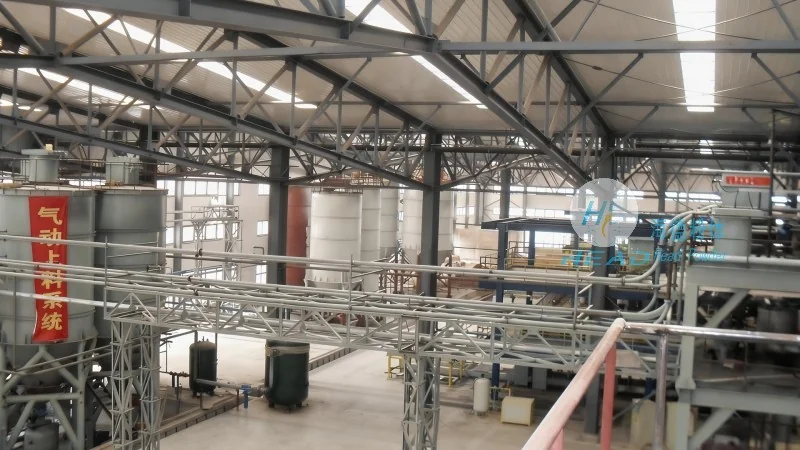
Understanding Quartz Sand Pneumatic Conveying Machines
A quartz sand pneumatic conveying machine operates by creating a flow of air within a pipeline, which then carries the quartz sand particles from the source to the destination. The system typically consists of a blower or compressor, a hopper for material storage, a conveying line, and a receiver for the delivered material. The air pressure generated by the blower propels the sand particles through the pipeline, overcoming gravity and friction. This method is particularly advantageous for transporting materials that are difficult to handle with traditional mechanical conveyors, such as those with high abrasiveness or irregular shapes.
Key Design Principles of Quartz Sand Pneumatic Conveying Systems
The design of a quartz sand pneumatic conveying machine involves several critical principles to ensure effective and efficient operation. First, the air velocity within the pipeline must be sufficient to lift and transport the sand particles without causing excessive wear on the equipment. This is typically achieved by maintaining an air velocity of 20-30 meters per second, which is high enough to keep the particles suspended but not so high as to cause damage to the pipeline or components. Second, the system must be designed to handle the abrasive nature of quartz sand, which can cause wear on the blower, hopper, and conveying line. To mitigate this, materials such as stainless steel or high-grade alloys are often used for the components that come into direct contact with the sand. Third, the system must be equipped with proper filtration and cleaning mechanisms to prevent the accumulation of sand particles in the blower and other parts, which could reduce efficiency and cause maintenance issues. Additionally, the design must consider the pressure drop across the pipeline, ensuring that the blower can maintain the necessary pressure to overcome resistance from bends, valves, and other fittings.
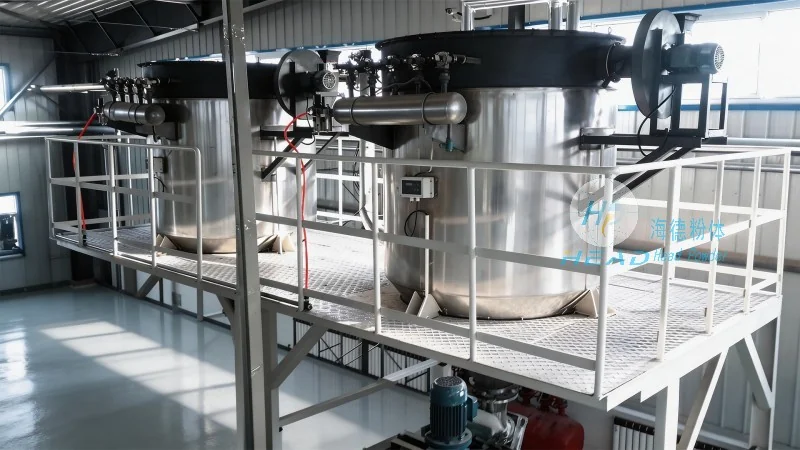
Components and Their Functions in Quartz Sand Pneumatic Conveying Machines
The main components of a quartz sand pneumatic conveying system include the blower or compressor, which provides the air pressure; the hopper, which stores the quartz sand and feeds it into the conveying line; the conveying line, which transports the sand; the receiver, which collects the delivered material; and the control system, which regulates the flow of air and material. The blower is typically a positive displacement type, such as a rotary lobe or Roots blower, which can generate the high pressure needed for conveying abrasive materials. The hopper is designed with a sloped bottom to facilitate the flow of sand into the conveying line, often equipped with a feeder to control the material feed rate. The conveying line is usually made of stainless steel or other corrosion-resistant materials to withstand the abrasive nature of quartz sand. The receiver is a container that collects the sand as it is delivered from the pipeline, and it may include a filter or cyclone to separate any remaining air from the sand before storage. The control system may include sensors to monitor pressure, flow, and material level, allowing for automatic operation and adjustments to maintain optimal performance.
Advantages of Using Quartz Sand Pneumatic Conveying Machines
Quartz sand pneumatic conveying machines offer several advantages over traditional mechanical conveyors. First, they are capable of transporting materials over long distances without the need for multiple transfer points, which reduces the risk of material spillage and contamination. Second, the system is relatively compact and can be installed in tight spaces, making it suitable for facilities with limited floor space. Third, the conveying process is continuous and can be automated, reducing labor costs and improving operational efficiency. Fourth, the system is less prone to clogging compared to mechanical conveyors, as the air flow helps to keep the sand particles moving and prevents the buildup of material in the pipeline. Finally, the system can be easily modified to handle different types of materials, such as other types of sand or powders, by adjusting the air pressure and velocity.
Applications of Quartz Sand Pneumatic Conveying Machines
Quartz sand pneumatic conveying machines are used in a variety of applications where the transport of quartz sand is required. In the mining industry, these machines are used to transport sand from the mine to processing facilities, where it is used in the production of glass, ceramics, and other products. In the construction industry, they are used to transport sand to construction sites for use in concrete and other building materials. In the manufacturing industry, they are used to transport sand to foundries for use in sand casting processes. Additionally, these machines are used in the chemical and pharmaceutical industries to transport sand as a raw material or filler in various products.
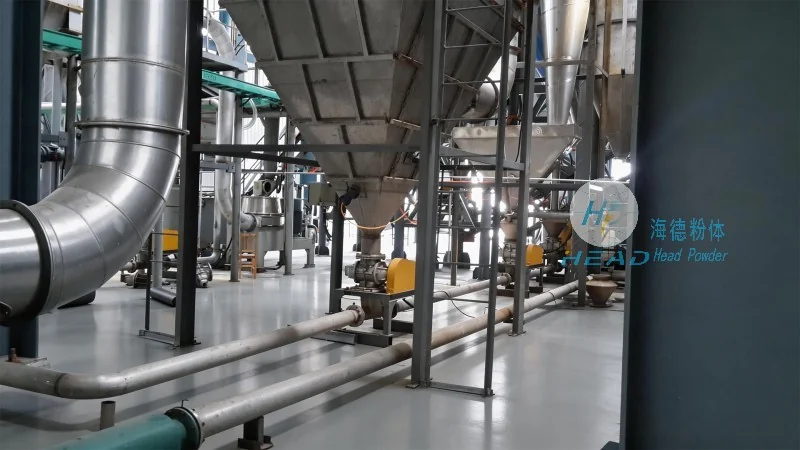
Maintenance and Operational Considerations for Quartz Sand Pneumatic Conveying Machines
Maintaining a quartz sand pneumatic conveying machine is essential to ensure its long-term performance and reliability. Regular maintenance should include checking the blower for wear and tear, cleaning the hopper and conveying line to remove accumulated sand, and inspecting the control system for proper operation. The blower should be checked for air leaks and pressure loss, as these can reduce the efficiency of the system. The hopper and feeder should be checked for blockages or wear, as these can affect the flow of material. The conveying line should be inspected for signs of wear or damage, such as rust or cracks, which could lead to leaks or reduced performance. Additionally, the system should be cleaned regularly to prevent the buildup of sand particles, which can cause clogging and reduce the efficiency of the blower. Proper maintenance can extend the life of the equipment and reduce the risk of breakdowns, ensuring that the system operates at optimal levels.
Conclusion
Quartz sand pneumatic conveying machines are an essential piece of equipment for the efficient and reliable transport of quartz sand and similar bulk materials. The design principles behind these machines, including the use of high air velocity, abrasion-resistant materials, and proper filtration, ensure that they can handle the demanding nature of quartz sand. The components of the system, such as the blower, hopper, and conveying line, work together to create a continuous and automated transport process. The advantages of using these machines, including their ability to transport materials over long distances and their compact design, make them a popular choice in various industries. Proper maintenance and operational considerations are crucial to ensure the long-term performance and reliability of the equipment. By understanding the design principles and components of quartz sand pneumatic conveying machines, users can optimize their operation and achieve efficient material transport.