

What is a Barium Carbonate Pneumatic Conveying Machine? And What Are Its Design Principles?
Barium carbonate, a chemical compound with the formula BaCO₃, is widely used in various industrial applications, including the production of glass, ceramics, and as a precursor in pharmaceuticals. The efficient handling and transportation of barium carbonate powder are critical for maintaining production efficiency and product quality. A pneumatic conveying machine specifically designed for barium carbonate is a specialized system that uses air or other gas to transport the powder material from one location to another. This article explores the fundamental aspects of such a machine and delves into its design principles.
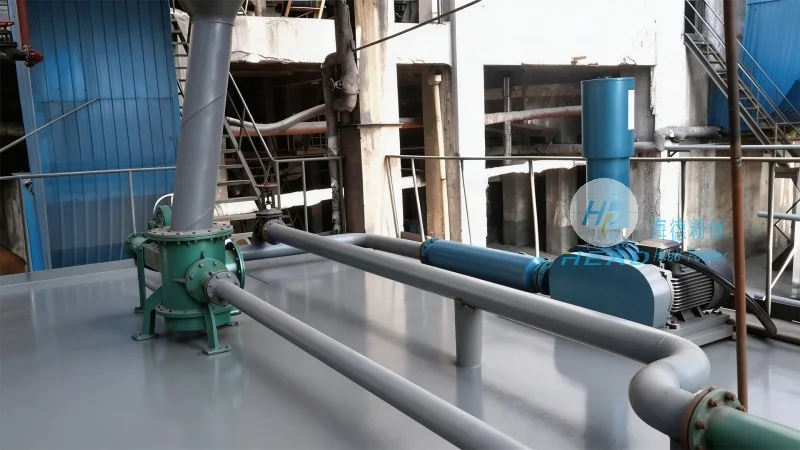
Introduction to Barium Carbonate Pneumatic Conveying Machines
A barium carbonate pneumatic conveying machine is a type of pneumatic conveying system engineered to handle the unique properties of barium carbonate powder. Unlike traditional bulk material handling methods like belt conveyors or screw conveyors, pneumatic conveying uses compressed air to move the material through a pipeline. This method is particularly advantageous for materials that are fine, dusty, or have a tendency to clog traditional equipment. The system typically consists of a source of air, a feeding mechanism, a conveying line, and a collection or separation unit. The design of the machine must account for the chemical and physical characteristics of barium carbonate, such as its particle size distribution, density, and flowability, to ensure reliable and efficient operation.
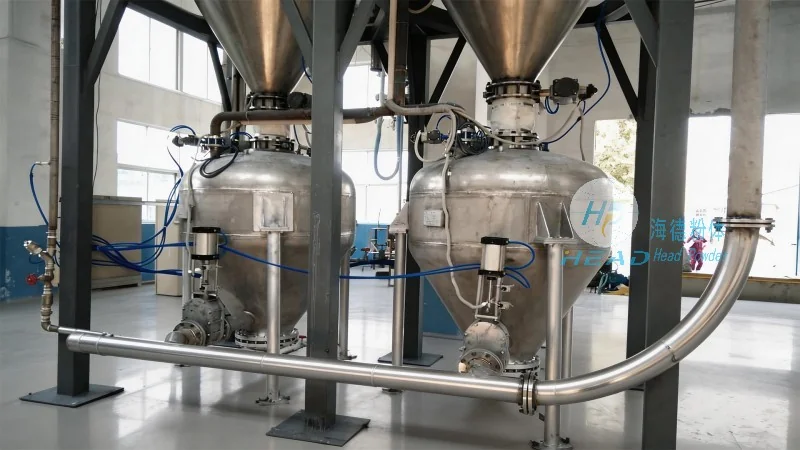
Design Principles of Pneumatic Conveying Systems for Barium Carbonate
The design of a barium carbonate pneumatic conveying machine is based on several key principles that ensure optimal performance and safety. The first principle is the selection of an appropriate air source, which can be a compressor or a blower. The air pressure and flow rate are critical parameters that determine the conveying capacity and distance. For barium carbonate, which is a relatively dense and fine powder, higher air pressure is often required to achieve the necessary velocity to keep the material in suspension. The second principle involves the design of the feeding system, which must be capable of uniformly introducing the powder into the conveying line without causing blockages or uneven flow. This often includes components like a rotary valve or a star feeder that can handle the material's characteristics. The third principle is the configuration of the conveying line, which may include horizontal, vertical, or inclined sections. The line's diameter and material (usually stainless steel or plastic) are chosen to prevent material buildup and corrosion. The fourth principle is the inclusion of a separation or collection unit at the end of the line. This unit, such as a cyclone separator or a bag filter, separates the air from the barium carbonate powder, allowing the powder to be deposited in a container while the air is discharged or recycled. The design must also consider the need for cleaning and maintenance, as barium carbonate can be abrasive and may require special materials for the components.
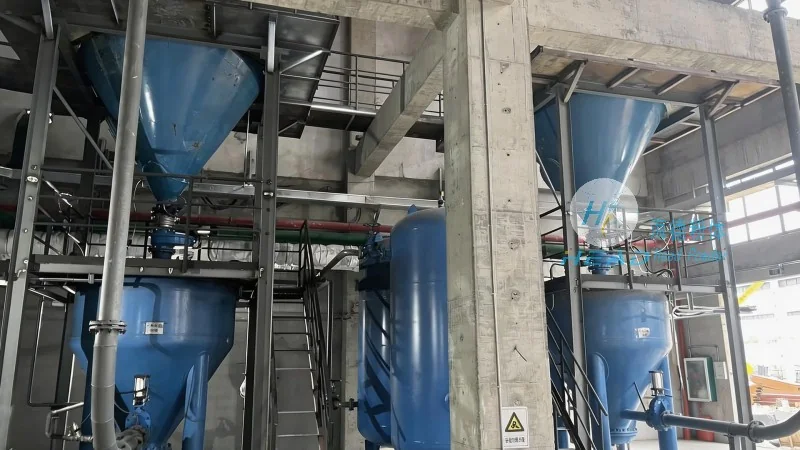
Key Components and Their Functions
Several key components make up a barium carbonate pneumatic conveying machine, each playing a crucial role in the overall operation. The first component is the air compressor or blower, which provides the necessary pressure and volume of air to move the material. The second component is the feeding device, such as a rotary valve or a screw feeder, which controls the flow rate of the barium carbonate into the system. The third component is the conveying line, which can be made of stainless steel or polyethylene and is designed to withstand the pressure and the abrasive nature of the powder. The fourth component is the separation unit, typically a cyclone separator, which uses centrifugal force to separate the powder from the air. The fifth component may include a filter or a baghouse to capture any fine particles that escape the cyclone. Each of these components must be carefully selected and sized to ensure that the system operates efficiently and safely, minimizing the risk of clogging, material loss, or equipment damage.
Application in Barium Carbonate Processing
In the processing of barium carbonate, the pneumatic conveying machine serves as an essential link between different stages of production, such as from a storage silo to a mixer or from a reactor to a packaging unit. The system's ability to handle fine powders without the need for mechanical contact reduces the risk of contamination and product degradation. Additionally, pneumatic conveying can be integrated with other processing equipment, such as mixers or reactors, to create a continuous production line. The design of the system must also consider the environmental impact, as barium carbonate is a hazardous material if not handled properly. The separation unit and any air filtration systems are critical for preventing the release of dust into the environment and ensuring workplace safety. The efficiency of the pneumatic conveying system directly impacts the overall production cost, as it reduces labor costs associated with manual handling and minimizes material loss during transportation.
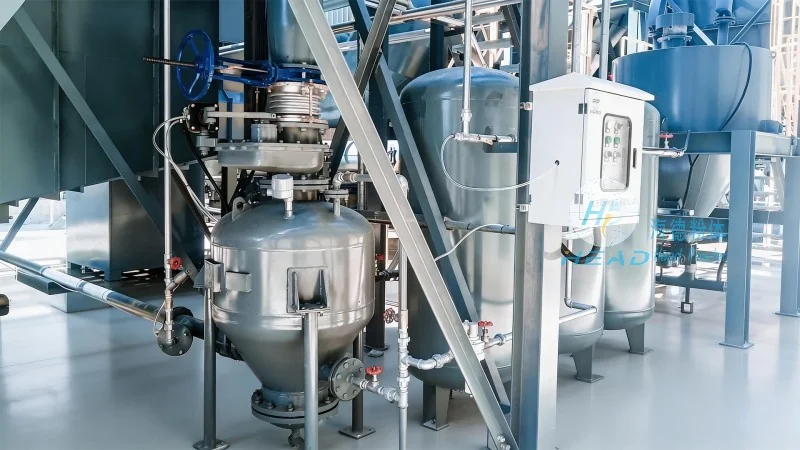
Company Information and Expertise
Shandong HeadPowder Engineering Co., Ltd., commonly known as HeadPowder, is a leading manufacturer and supplier of specialized pneumatic conveying equipment for various industrial applications. With a focus on engineering solutions tailored to the unique needs of industries like chemical processing, food processing, and pharmaceuticals, HeadPowder has established itself as a trusted partner for companies requiring reliable and efficient material handling systems. The company's headquarters is located in Shandong, China, where its team of experienced engineers and technicians develop and manufacture high-quality pneumatic conveying machines. HeadPowder's expertise lies in the design and production of customized systems that meet the specific requirements of clients, including those handling barium carbonate and other sensitive materials. The company adheres to international quality standards and provides comprehensive support, including installation, maintenance, and technical assistance, to ensure that its clients achieve optimal performance and long-term reliability from their pneumatic conveying systems.