

What is a Mineral Particle Pneumatic Conveyor? What Are Its Design Principles?
Mineral particle pneumatic conveyors are specialized equipment used in industrial settings to transport bulk materials like minerals, powders, and granules through a pipeline system using air or gas as the conveying medium. These systems are crucial for efficient material handling in sectors such as mining, chemical processing, and food production. Understanding the fundamental principles behind their design and operation is essential for optimizing performance and ensuring reliability in material transport processes.
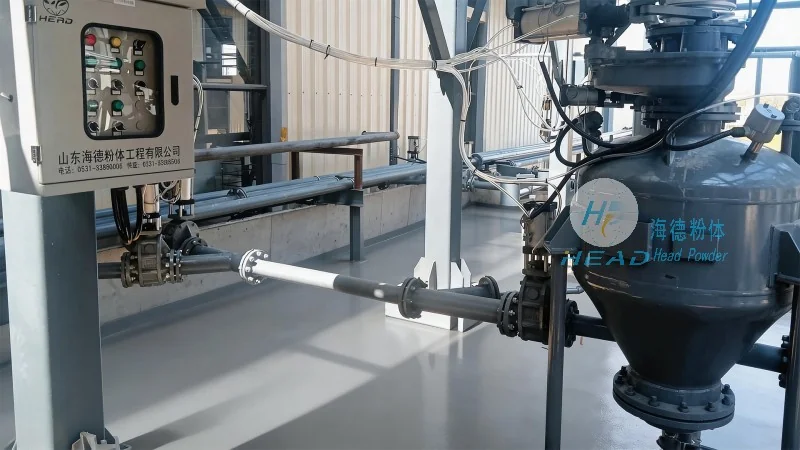
Introduction to Mineral Particle Pneumatic Conveyors
At Shandong HeadPowder Engineering Co., Ltd., we specialize in the design, manufacturing, and implementation of advanced pneumatic conveying systems tailored to the unique needs of mineral processing industries. Our expertise lies in creating customized solutions that enhance productivity while maintaining high standards of safety and efficiency. The mineral particle pneumatic conveyor, as a core product, represents a sophisticated approach to material transport, combining mechanical engineering with fluid dynamics to achieve seamless material movement.
Design Principles of Pneumatic Conveying Systems
The design of a mineral particle pneumatic conveyor is based on the fundamental principle of transporting solid particles through a pipeline by utilizing air or gas as the driving force. This process involves several key components and mechanisms that work in concert to ensure effective material transport. The primary design principles include the selection of appropriate air velocity, pipeline diameter, and material characteristics to achieve optimal conveying efficiency. Engineers at HeadPowder meticulously analyze factors such as particle size, density, and moisture content to determine the most suitable conveying method—whether it be positive pressure, negative pressure, or a combination of both.
Key Components and Operational Mechanisms
A typical mineral particle pneumatic conveyor system consists of several critical components, each playing a vital role in the overall operation. The main parts include the hopper for material storage, the feeder to control the flow rate, the pipeline network for material transport, the air compressor or vacuum pump to generate the conveying air, and the discharge device for material release. The feeder is particularly important as it regulates the material feed rate, preventing blockages and ensuring consistent air flow. The pipeline design, with its specific diameter and length, is optimized to maintain the required air velocity to keep particles suspended and transported efficiently. The air compressor or vacuum pump provides the necessary pressure or suction to move the material through the system, with the choice of equipment depending on the specific application and material properties.
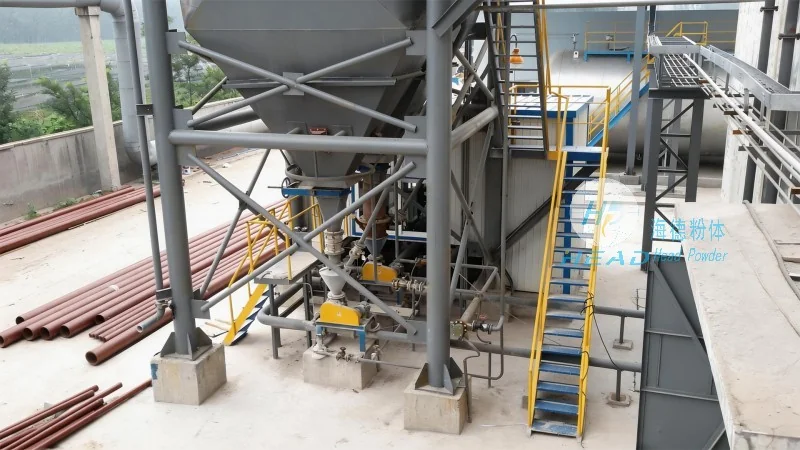
Advantages of Mineral Particle Pneumatic Conveyors
Implementing a mineral particle pneumatic conveyor offers numerous advantages over traditional material handling methods. One of the most significant benefits is the ability to transport materials over long distances without the need for intermediate transfer points, reducing the risk of material contamination and loss. The enclosed pipeline system also minimizes dust emissions, improving workplace safety and environmental compliance. Additionally, these systems are highly flexible, allowing for easy integration into existing production lines and adaptation to changing material requirements. The automated nature of pneumatic conveying reduces labor costs and enhances operational consistency, making it an attractive solution for industries seeking to improve efficiency and reduce downtime.
Application Examples in Mineral Processing
Mineral particle pneumatic conveyors are widely used in various applications within the mineral processing industry. For instance, in mining operations, they are employed to transport crushed ore from processing plants to storage facilities or for further processing steps. In chemical plants, these systems handle powders and granules, such as limestone or gypsum, for use in production processes. The food industry also benefits from pneumatic conveying systems, which are used to transport ingredients like flour, sugar, or spices while maintaining hygiene standards. Each application requires a tailored design to address specific material characteristics and operational constraints, ensuring optimal performance and reliability.
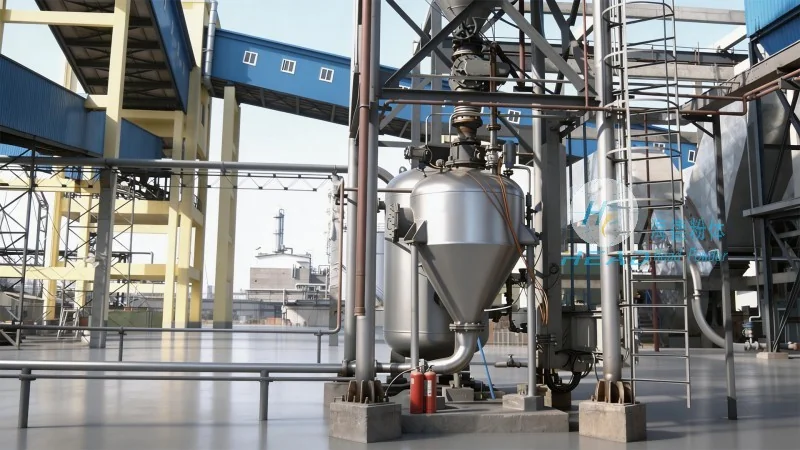
Customization and Engineering Solutions by HeadPowder
At Shandong HeadPowder Engineering Co., Ltd., we understand that no two industrial applications are identical. Therefore, we offer comprehensive customization services to meet the unique requirements of our clients. Our engineering team works closely with customers to analyze their material handling challenges and design a pneumatic conveyor system that maximizes efficiency and minimizes operational costs. We consider factors such as material flow rates, pipeline layout, and environmental conditions to develop a solution that aligns with the client's production goals. By leveraging our expertise in fluid dynamics and material science, we ensure that our designs are not only effective but also durable and low-maintenance, providing long-term value to our clients.
Maintenance and Operational Considerations
Proper maintenance is crucial to ensure the longevity and optimal performance of a mineral particle pneumatic conveyor. Regular inspections of the pipeline system, feeder, and air compressor are essential to identify and address potential issues before they escalate into major problems. Cleaning the pipeline and removing accumulated material is also important to prevent blockages and maintain consistent air flow. Additionally, monitoring air pressure and flow rates helps in detecting any deviations from the designed parameters, allowing for timely adjustments. HeadPowder provides comprehensive maintenance services and technical support to our clients, ensuring that their pneumatic conveying systems operate at peak efficiency throughout their service life.
Conclusion
In conclusion, mineral particle pneumatic conveyors are sophisticated industrial equipment that play a vital role in efficient material handling across various industries. The design principles, operational mechanisms, and advantages of these systems make them an indispensable tool for modern production processes. At Shandong HeadPowder Engineering Co., Ltd., we are committed to providing high-quality, customized pneumatic conveying solutions that meet the evolving needs of the mineral processing industry. By leveraging our expertise and innovative approach, we help our clients achieve greater efficiency, safety, and productivity in their material transport operations.