

What is a Magnesium Hydroxide Pneumatic Conveyor? And What Are Its Design Principles?
For industrial applications dealing with magnesium hydroxide, the choice of material handling equipment is critical to operational efficiency and safety. A key solution in this field is the magnesium hydroxide pneumatic conveyor, a system designed to transport this chemical efficiently and safely. This article explores what a magnesium hydroxide pneumatic conveyor is and delves into its fundamental design principles, providing insights into how such equipment operates and its importance in industrial processes.
Understanding the Magnesium Hydroxide Pneumatic Conveyor
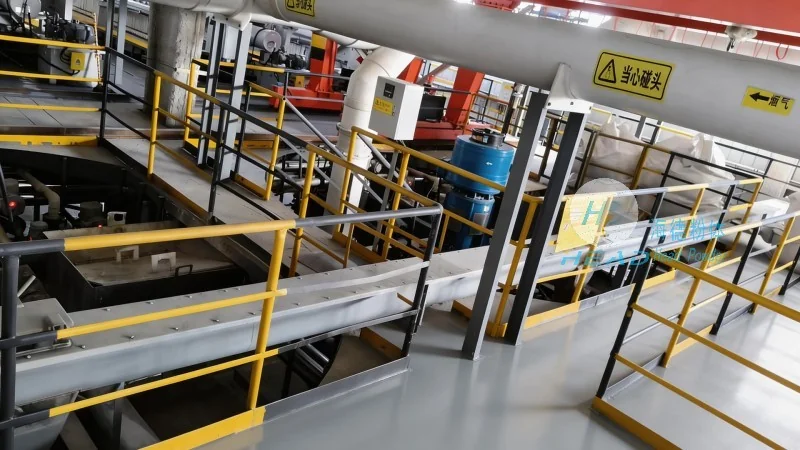
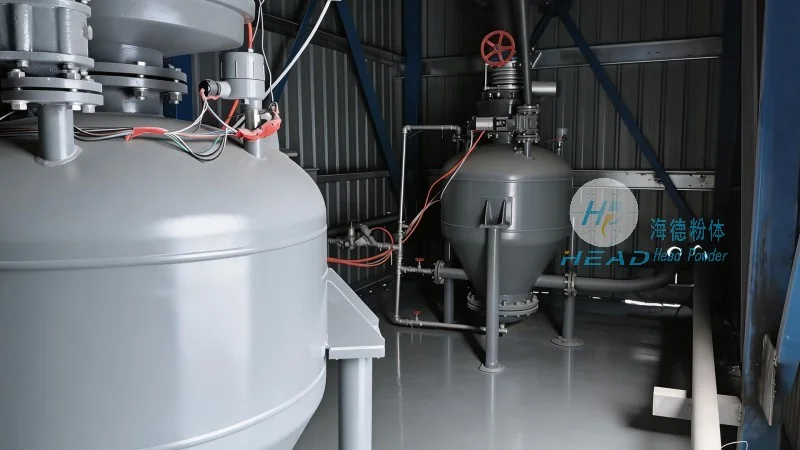
At its core, a magnesium hydroxide pneumatic conveyor is a type of pneumatic conveying system engineered to move magnesium hydroxide powder or granules through a pipeline using air or other gas as the transport medium. This method offers several advantages over traditional mechanical conveyors, particularly in handling fine powders like magnesium hydroxide, which can be prone to dusting and clogging in conventional systems. The system typically consists of a hopper for material storage, a feeding mechanism to introduce the material into the pipeline, a conveying pipeline, and a discharge unit where the material is released at the destination. The entire process relies on the force of air or gas to propel the material, making it a flexible and often more cost-effective solution for transporting bulk materials in industrial settings.
Key Design Principles of the Magnesium Hydroxide Pneumatic Conveyor
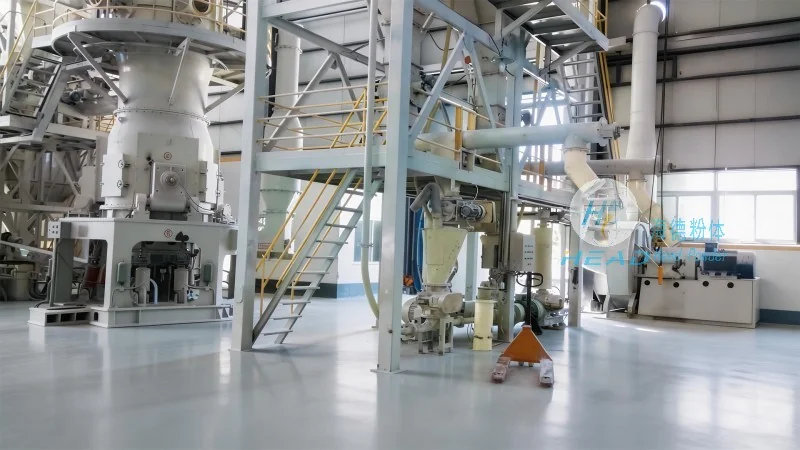
The design of a magnesium hydroxide pneumatic conveyor is guided by several critical principles to ensure optimal performance, reliability, and safety. First, the system must be tailored to the physical properties of magnesium hydroxide, which includes its particle size, density, and flow characteristics. Since magnesium hydroxide is a fine powder, the design must minimize the risk of particle segregation and ensure consistent flow through the pipeline. This often involves using specialized hopper designs, such as conical hoppers with smooth surfaces, to prevent material buildup and ensure uniform feeding. The feeding mechanism, typically a rotary valve or a venturi feeder, is another critical component. It must be capable of handling fine powders without causing excessive pressure drops or particle degradation. The conveying pipeline itself is usually made of materials resistant to corrosion and abrasion, as magnesium hydroxide can be mildly alkaline and abrasive over time. Additionally, the system incorporates pressure control and air filtration components to maintain stable operation and prevent dust emissions, which is essential for both safety and environmental compliance.
Operational Considerations and Benefits
When operating a magnesium hydroxide pneumatic conveyor, several factors contribute to its effectiveness. The air velocity within the pipeline is a key parameter, as it must be high enough to keep the material in suspension but not so high as to cause excessive energy consumption or wear on the system components. The system's design also considers the distance and elevation changes between the loading and unloading points, as these affect the required air pressure and flow rate. One of the primary benefits of this type of conveyor is its ability to handle long distances and multiple transfer points without the need for intermediate storage or manual intervention. This not only improves operational efficiency but also reduces labor costs and the risk of material contamination. Furthermore, pneumatic conveyors are generally more compact than mechanical conveyors, making them suitable for installations with limited space. They also offer better dust control compared to other methods, as the material is contained within the pipeline during transport, minimizing the risk of airborne dust and improving workplace safety.
About HeadPowder: Your Partner in Material Handling Solutions
HeadPowder, a leading manufacturer of industrial material handling equipment, specializes in designing and manufacturing pneumatic conveyors tailored to the unique needs of various industries. With a focus on quality, reliability, and customer satisfaction, HeadPowder provides comprehensive solutions for transporting bulk materials like magnesium hydroxide. The company is headquartered in Shandong, China, and leverages advanced engineering and manufacturing capabilities to deliver high-performance equipment that meets international standards. HeadPowder's commitment to innovation and customer support ensures that clients receive not only efficient equipment but also expert guidance throughout the selection, installation, and maintenance process. By choosing HeadPowder, industrial facilities can enhance their material handling operations, improve safety, and achieve greater productivity in the transport of magnesium hydroxide and other bulk materials.