

What is a Soy Protein Powder Pneumatic Conveying System? And What Are Its Design Principles?
When it comes to efficiently handling soy protein powder, industrial facilities often turn to pneumatic conveying systems as a reliable solution. These systems utilize air or gas to transport bulk materials like soy protein powder from one location to another, offering advantages such as reduced contamination, improved hygiene, and enhanced process control. In this article, we will explore what a soy protein powder pneumatic conveying system is and delve into its fundamental design principles.
Understanding the Core Components of a Pneumatic Conveying System
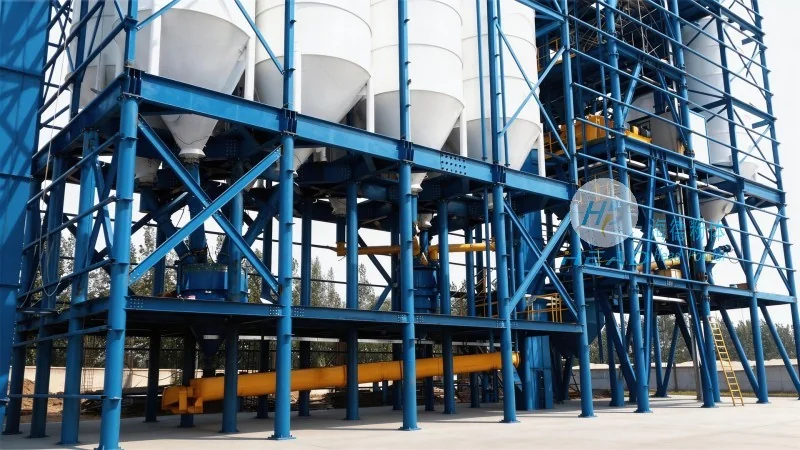
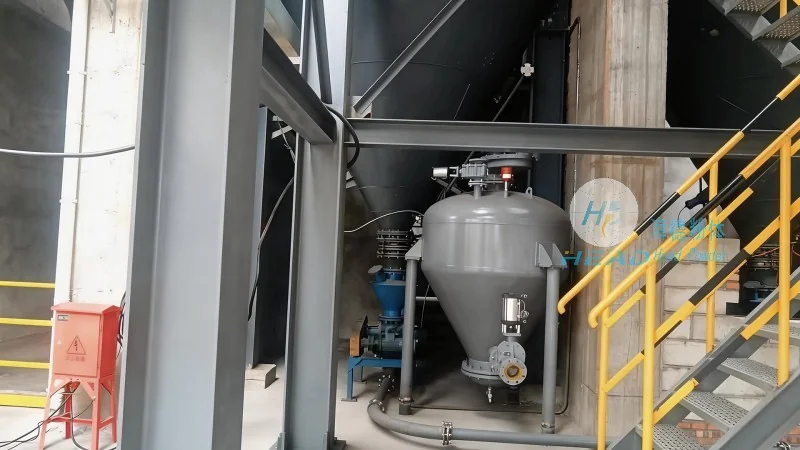
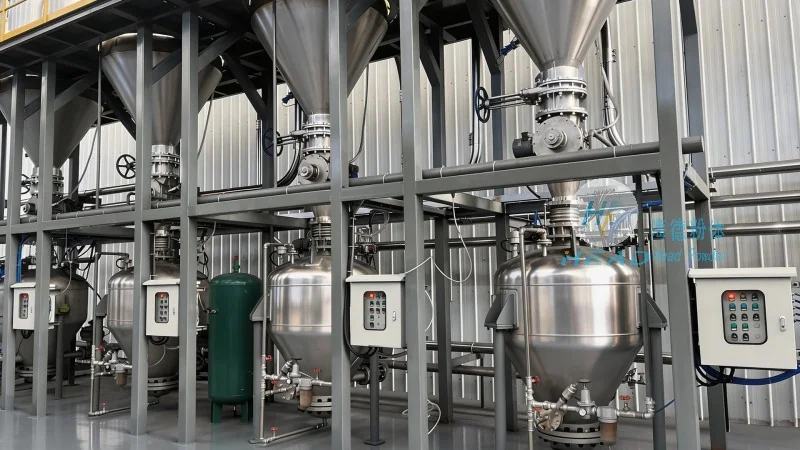
A typical soy protein powder pneumatic conveying system consists of several key components that work in tandem to ensure smooth material transport. These components include the material feed hopper, which holds the soy protein powder and feeds it into the system; the conveying line, which can be either positive or negative pressure based on the system design; the air or gas source, which provides the necessary force to move the material; and the receiver or discharge hopper, where the material is deposited at its destination. Each component plays a crucial role in the overall operation of the system, and their proper integration is essential for optimal performance.
Design Principles for Efficient Soy Protein Powder Handling
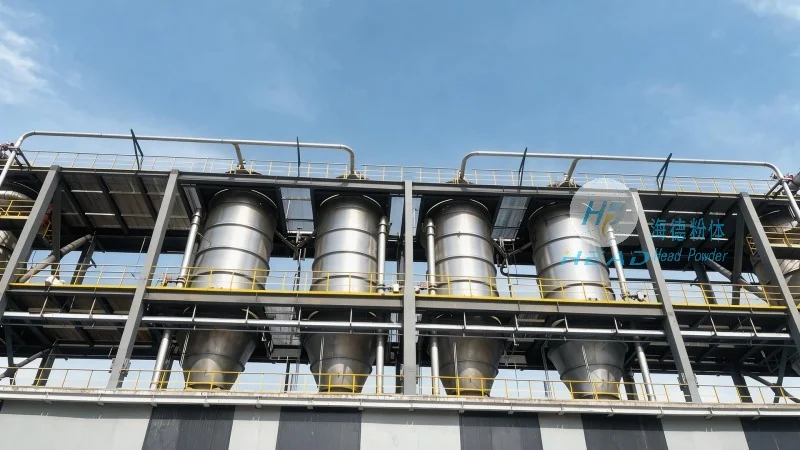
The design of a soy protein powder pneumatic conveying system is tailored to meet the specific requirements of the application, including the material's properties, the distance to be covered, and the desired flow rate. Key design principles include selecting the appropriate conveying method (e.g., pressure or vacuum), determining the optimal air velocity to prevent material degradation or blockages, and ensuring the system's capacity matches the production needs. For soy protein powder, which is a fine, dry powder, the system must be designed to minimize particle agglomeration and maintain consistent flow. This often involves using specialized equipment such as rotary valves, cyclone separators, and filters to maintain the material's quality and prevent system clogging.
Advantages of Using a Pneumatic Conveying System for Soy Protein Powder
Implementing a pneumatic conveying system for soy protein powder offers several advantages over traditional mechanical conveying methods. One of the primary benefits is the ability to maintain a clean and hygienic environment, which is critical in food processing applications where product purity is paramount. Pneumatic systems also reduce the risk of cross-contamination and minimize material exposure to external elements, ensuring the final product meets quality standards. Additionally, these systems can be designed to operate in a closed loop, further enhancing safety and reducing dust emissions. Another advantage is the flexibility in system layout, as pneumatic conveying can accommodate complex routes and multiple destinations without the need for extensive infrastructure modifications.
HeadPowder's Expertise in Designing Pneumatic Conveying Solutions
Shandong HeadPowder Engineering Co., Ltd., commonly known as HeadPowder, is a leading manufacturer specializing in industrial conveying equipment. With years of experience in the field, HeadPowder has developed expertise in designing and manufacturing pneumatic conveying systems tailored to the unique needs of soy protein powder and other fine powders. The company's team of engineers leverages advanced technology and industry best practices to create customized solutions that optimize material handling efficiency, reduce downtime, and enhance overall process reliability. HeadPowder's commitment to quality and customer satisfaction has made it a trusted partner for facilities seeking reliable and efficient conveying solutions.
Conclusion: Choosing the Right Pneumatic Conveying System for Soy Protein Powder
In conclusion, a soy protein powder pneumatic conveying system is a sophisticated and effective solution for handling fine powders in industrial settings. By understanding the core components and design principles, facilities can select the most appropriate system to meet their operational requirements. When considering such systems, it is essential to partner with a reputable manufacturer like Shandong HeadPowder Engineering Co., Ltd. who can provide expert guidance and customized solutions. With the right system in place, facilities can achieve improved efficiency, enhanced product quality, and reduced operational costs, ultimately contributing to their long-term success in the soy protein powder industry.