

What is a Desulfurization Sodium Bicarbonate Pneumatic Conveying Machine? And What Are Its Design Pr
HeadPowder, a leading manufacturer based in Shandong, China, specializes in industrial equipment for material handling. The company's product line includes advanced pneumatic conveying systems, such as the desulfurization sodium bicarbonate pneumatic conveying machine, which is designed to efficiently transport sodium bicarbonate used in flue gas desulfurization processes.
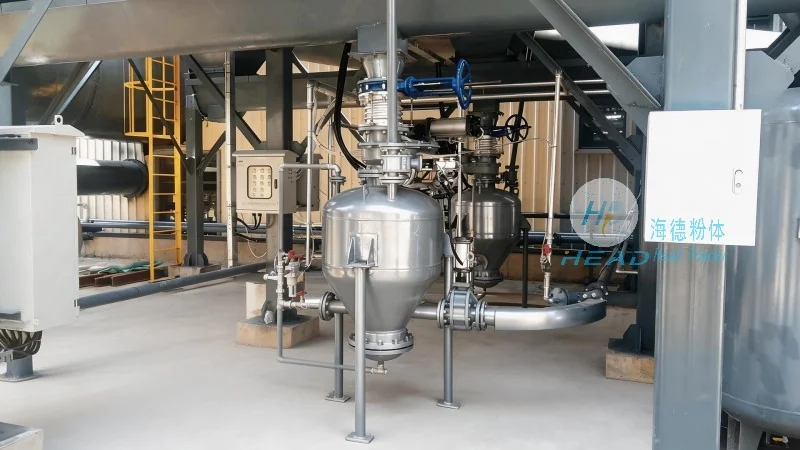
Understanding the Desulfurization Sodium Bicarbonate Pneumatic Conveying Machine
The desulfurization sodium bicarbonate pneumatic conveying machine is a specialized piece of equipment used in industrial settings, particularly in power plants and chemical facilities, where sodium bicarbonate is employed as a reagent in flue gas desulfurization (FGD) systems. This machine facilitates the transport of sodium bicarbonate from storage silos or processing units to the FGD system, ensuring a continuous and reliable supply of the reagent. The core function of this equipment is to handle the material through a pneumatic conveying system, which uses compressed air to move the solid particles of sodium bicarbonate through a network of pipes.
Key Design Principles of the Pneumatic Conveying Machine
The design of the desulfurization sodium bicarbonate pneumatic conveying machine is based on several critical principles to ensure efficient and safe operation. First, the system relies on the principle of gas-solid two-phase flow, where the solid particles of sodium bicarbonate are suspended and transported by a high-velocity air stream. This method allows for the movement of the material over long distances without the need for mechanical components like conveyors or elevators, reducing maintenance and operational costs.
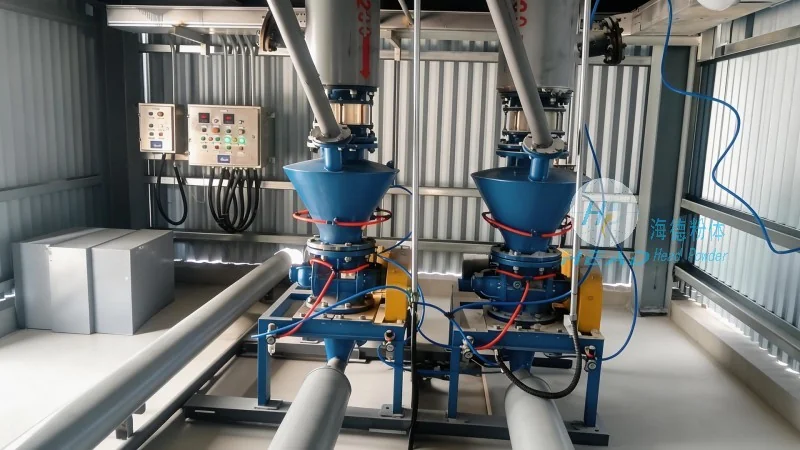
Second, the machine incorporates a pressure or vacuum system to generate the necessary airflow. In pressure systems, compressed air is introduced at the material inlet, creating a positive pressure that pushes the particles through the pipeline. In vacuum systems, a vacuum is created at the discharge end, drawing the material from the source. The choice between pressure and vacuum depends on factors such as the distance to be covered, the material characteristics, and the system layout. For sodium bicarbonate, which is a relatively light and non-abrasive material, both systems can be effective, but pressure systems are often preferred for longer distances due to their higher efficiency and lower energy consumption.
Components and Operational Mechanism
The desulfurization sodium bicarbonate pneumatic conveying machine consists of several key components that work together to achieve the desired material transport. These components include a material feeder, which is responsible for introducing the sodium bicarbonate into the conveying line, a compressor or vacuum pump that generates the airflow, a pipeline network that transports the material, and a control system that regulates the operation of the entire system.
The material feeder is typically a rotary valve or a screw feeder, which ensures a consistent and controlled flow of sodium bicarbonate into the pipeline. The compressor or vacuum pump provides the necessary pressure or vacuum to move the material. The pipeline network is made of materials such as stainless steel or plastic, which are resistant to corrosion and abrasion from the sodium bicarbonate particles. The control system monitors parameters such as pressure, flow rate, and temperature, and adjusts the operation of the compressor or vacuum pump as needed to maintain optimal performance.
Advantages of Using a Pneumatic Conveying Machine for Sodium Bicarbonate
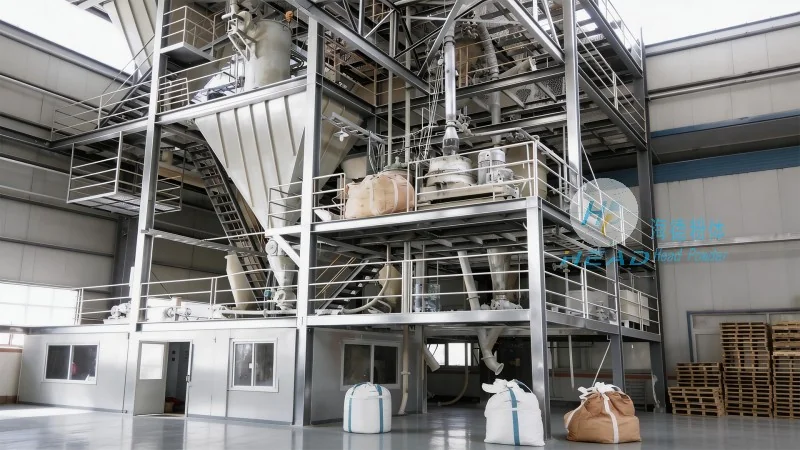
There are several advantages to using a pneumatic conveying machine for the transport of sodium bicarbonate in flue gas desulfurization systems. First, the system is fully enclosed, which prevents dust and particles from being released into the environment, ensuring compliance with environmental regulations. Second, the equipment is highly efficient, as it can transport the material over long distances with minimal energy consumption compared to traditional mechanical conveyors. Third, the system is flexible and can be easily integrated into existing plant layouts, allowing for modifications and expansions as needed.
Additionally, the pneumatic conveying machine is capable of handling a wide range of material sizes and shapes, including fine powders and granules, which is important for sodium bicarbonate, as it can exist in various forms depending on the production process. The system can also be designed to handle other materials, such as limestone or other reagents used in FGD systems, making it a versatile solution for industrial material handling.
Applications and Industry Impact
The desulfurization sodium bicarbonate pneumatic conveying machine is widely used in the power generation and chemical industries, where it plays a critical role in ensuring the efficient operation of flue gas desulfurization systems. By providing a reliable and continuous supply of sodium bicarbonate, the machine helps to maintain the performance of the FGD system, which is essential for reducing sulfur dioxide emissions and meeting environmental standards.
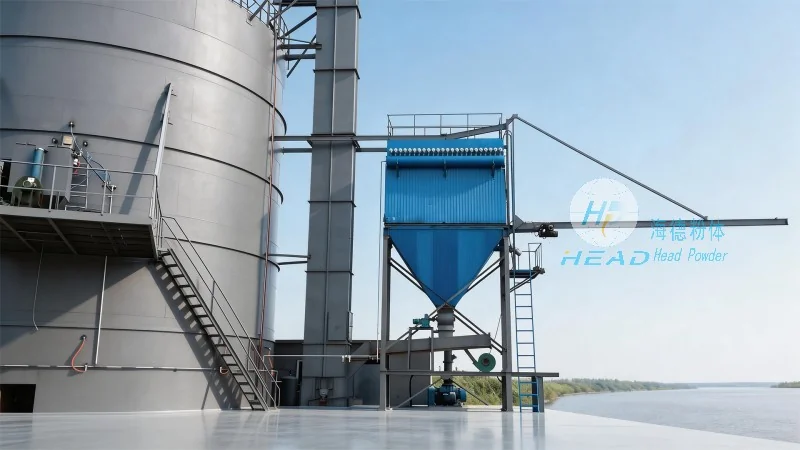
The machine's design and operation have a significant impact on the overall efficiency and cost-effectiveness of the desulfurization process. A well-designed pneumatic conveying system can reduce the need for manual handling and reduce the risk of material loss or contamination, which can lead to lower operational costs and improved environmental performance.
Conclusion
In conclusion, the desulfurization sodium bicarbonate pneumatic conveying machine is a sophisticated piece of equipment that combines advanced engineering principles with practical application to meet the demands of modern industrial processes. By understanding its design principles, components, and operational mechanisms, users can appreciate the importance of this equipment in ensuring the efficient and reliable operation of flue gas desulfurization systems. HeadPowder, with its expertise in industrial equipment manufacturing, continues to provide high-quality solutions for material handling in various industries, contributing to the advancement of sustainable and environmentally friendly practices.