

What is a Weighing Feeding Pneumatic Conveying System? Understanding Its Design Principles
For industries dealing with bulk materials, the selection of an efficient and reliable material handling system is crucial. A weighing feeding pneumatic conveying system represents a sophisticated solution that combines precise material measurement with pneumatic transport capabilities. This article delves into the fundamental aspects of such systems, exploring their design principles and the key components that make them effective in various industrial applications. The system is particularly valuable in sectors like food processing, pharmaceuticals, and chemical manufacturing, where accurate material control and hygienic handling are paramount.
Core Components of a Weighing Feeding Pneumatic Conveying System
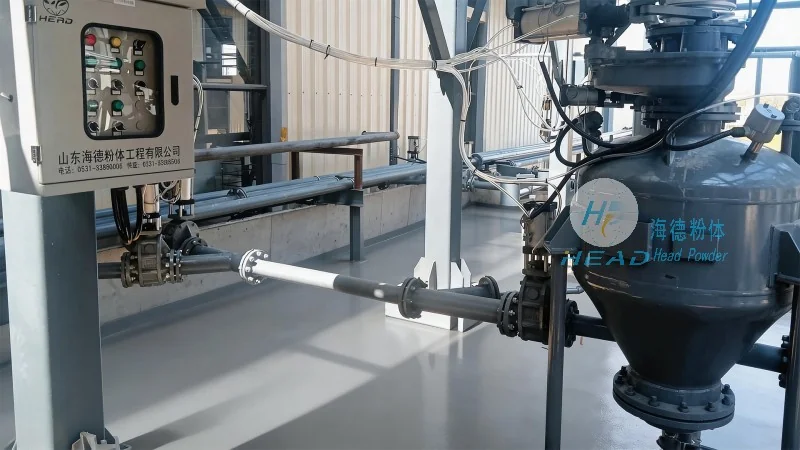
The system typically comprises several critical components that work in tandem to ensure accurate material handling. At the heart of the system is the weighing feeder, which is responsible for measuring and controlling the flow rate of the material. This component integrates a load cell or similar weighing mechanism to provide real-time data on the mass being conveyed. The feeder is often paired with a pneumatic conveying line, which uses air or other gases to transport the material from the source to the destination. Other essential parts include the hopper for material storage, the air compressor or blower to generate the necessary pressure, and the control system that manages the entire operation. The hopper is designed to hold a sufficient quantity of material to ensure a continuous feed, while the air compressor provides the pressure needed to move the material through the conveying line. The control system, often equipped with digital interfaces, allows operators to monitor and adjust the system parameters as needed.
Design Principles and Operational Mechanics
The design of a weighing feeding pneumatic conveying system is guided by several key principles aimed at optimizing performance and ensuring safety. One of the primary principles is the integration of precise measurement with material transport. The weighing feeder uses advanced sensors to detect the weight of the material as it is being fed, allowing for immediate adjustments to the flow rate. This closed-loop control system ensures that the material is conveyed at a consistent rate, which is vital for processes that require uniform material distribution. Another critical principle is the selection of appropriate air pressure and flow rates. The system must be designed to handle the specific properties of the material, such as particle size, density, and moisture content, to prevent issues like blockages or uneven flow. Engineers must consider factors like the material's aerodynamic characteristics and the conveying distance to determine the optimal air velocity and pressure. For example, fine powders may require lower air velocities to avoid excessive dust generation, while bulk solids might need higher pressure to ensure smooth transport. The design also incorporates safety features, such as pressure relief valves and overload protection, to prevent system failures and protect personnel.
About Shandong HeadPowder Engineering Co., Ltd.
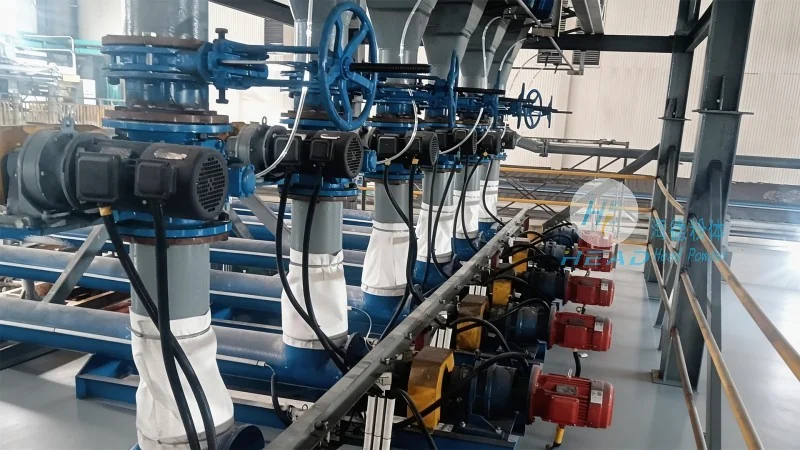
Shandong HeadPowder Engineering Co., Ltd., commonly known as HeadPowder, is a leading manufacturer specializing in the design and production of advanced material handling equipment. With a focus on innovation and precision engineering, the company has established itself as a trusted partner for industries requiring reliable and efficient conveying solutions. HeadPowder's expertise lies in creating customized systems that meet the unique needs of clients, ensuring that their equipment operates at peak performance in various industrial settings. The company's commitment to quality and customer satisfaction has made it a preferred choice for businesses seeking durable and high-performance weighing feeding pneumatic conveying systems. HeadPowder's team of engineers and technicians work closely with clients to understand their specific requirements, from material characteristics to operational constraints, and develop tailored solutions that enhance productivity and reduce downtime.
Advantages of Using a Weighing Feeding Pneumatic Conveying System
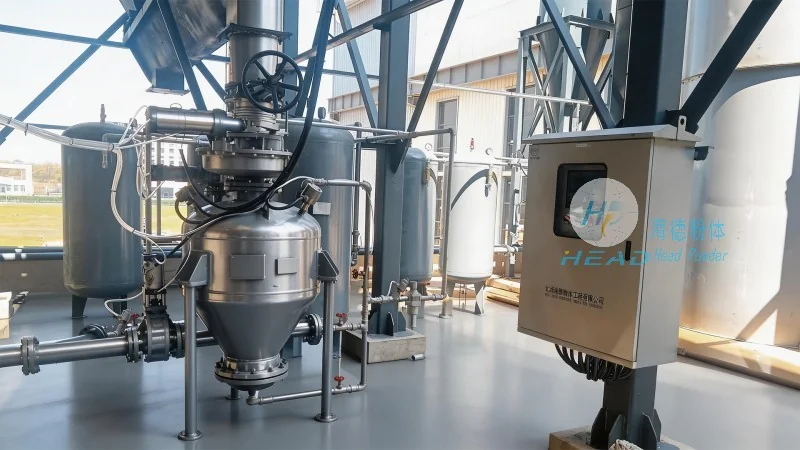
Implementing a weighing feeding pneumatic conveying system offers numerous benefits for industrial operations. One of the most significant advantages is the ability to achieve precise material control. Unlike traditional conveying methods, this system allows for real-time monitoring and adjustment of the material flow, reducing waste and improving product consistency. The pneumatic transport aspect also provides a hygienic and dust-free environment, which is particularly important for food processing or pharmaceutical industries where contamination must be minimized. Additionally, the system can handle a wide range of materials, from fine powders to bulk solids, making it versatile for various applications. The integration of weighing technology also enables better inventory management and process optimization, as accurate data on material usage is readily available. For instance, in a food processing plant, the system can help maintain consistent ingredient ratios, leading to higher quality products and reduced costs. In chemical manufacturing, precise control of raw material feed rates can improve reaction efficiency and product yield.
Conclusion
In summary, a weighing feeding pneumatic conveying system is a highly effective solution for industries that require accurate and efficient material handling. By combining precise measurement with pneumatic transport, these systems offer significant advantages over traditional methods. The design principles and components of such systems are carefully engineered to meet the specific needs of different applications, ensuring optimal performance and reliability. As a leading manufacturer, Shandong HeadPowder Engineering Co., Ltd. plays a crucial role in providing these advanced systems to industries worldwide, helping businesses enhance their operational efficiency and maintain high standards of quality and safety.