

What is a High-Pressure Bin Pump Pneumatic Conveying System? And What Are Its Design Principles?
High-pressure bin pump pneumatic conveying systems represent a sophisticated method for transporting bulk materials over long distances or within complex industrial settings. These systems are integral to modern material handling, offering efficient, reliable, and often dust-free solutions for industries ranging from chemical processing to food and pharmaceutical manufacturing. Understanding the core components and design principles of such systems is crucial for optimizing material flow and ensuring operational efficiency.
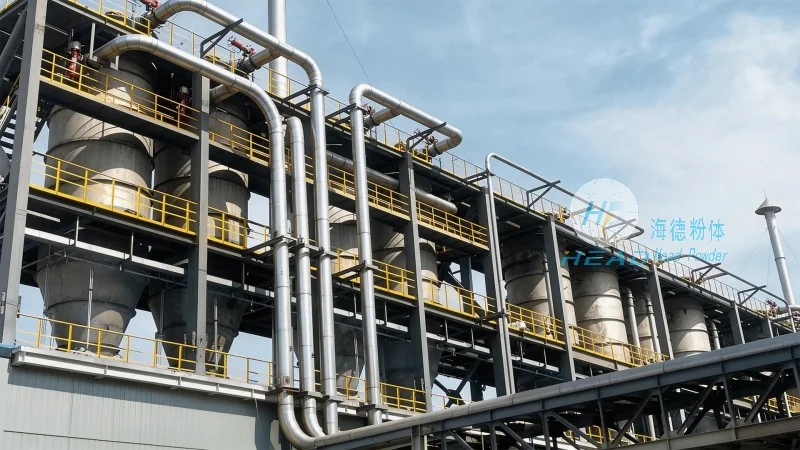
What is a High-Pressure Bin Pump Pneumatic Conveying System?
A high-pressure bin pump pneumatic conveying system is a type of pneumatic conveying technology that utilizes a high-pressure air pump to move bulk materials from a storage bin or hopper to a destination point, such as a processing unit or a storage silo. Unlike low-pressure systems that rely on vacuum or low-pressure air, high-pressure systems operate at pressures typically ranging from 5 to 15 bar, enabling them to transport materials with higher density and over longer distances. The system typically consists of a storage bin, a high-pressure air pump, a conveying line, and a receiving hopper or tank. The high-pressure air creates a flow of material within the pipeline, ensuring consistent and controlled movement of the bulk material.
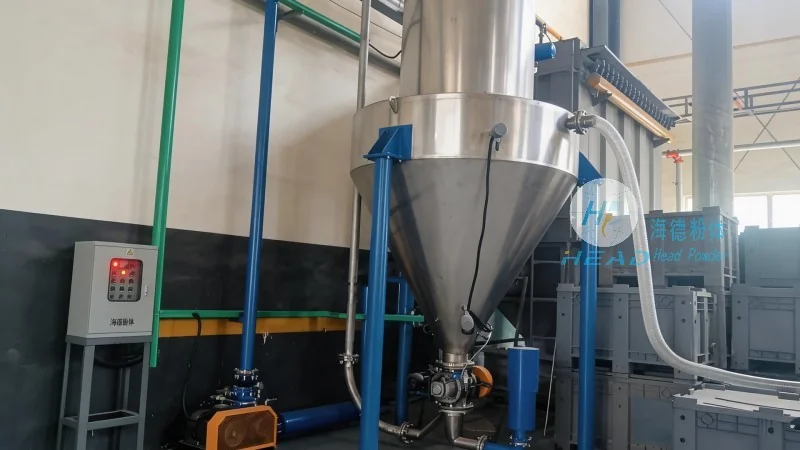
Key Components of the High-Pressure Bin Pump System
The effectiveness of a high-pressure bin pump pneumatic conveying system depends on several critical components that work in tandem to ensure smooth operation. The primary components include:
- Storage Bin (Hopper): This is where the bulk material is stored before being conveyed. The bin is designed to hold the material and provide a consistent feed to the system. It may include features like level sensors and discharge valves to control the material flow.
- High-Pressure Air Pump: The heart of the system, the high-pressure pump generates the necessary pressure to move the material through the conveying line. These pumps are typically positive displacement types, such as rotary lobe or piston pumps, which are capable of handling high pressures and ensuring a steady flow of air and material.
- Conveying Line: The pipeline through which the material and air travel. The line is usually made of materials like stainless steel or PVC, chosen for their durability and resistance to the conveyed materials. The line may include bends, elbows, and expansion joints to accommodate the system layout and prevent material buildup or blockages.
- Receiving Hopper or Tank: The destination where the conveyed material is deposited. This component is designed to handle the incoming material and may include features like level indicators and discharge mechanisms to facilitate further processing or storage.
- Control System: A control panel or system that monitors and regulates the operation of the high-pressure pump, material flow, and air pressure. This ensures that the system operates within safe and efficient parameters, preventing overpressure or underflow issues.
Design Principles and Operational Mechanics
The design of a high-pressure bin pump pneumatic conveying system is guided by several key principles aimed at optimizing performance, efficiency, and safety. The primary design principles include:
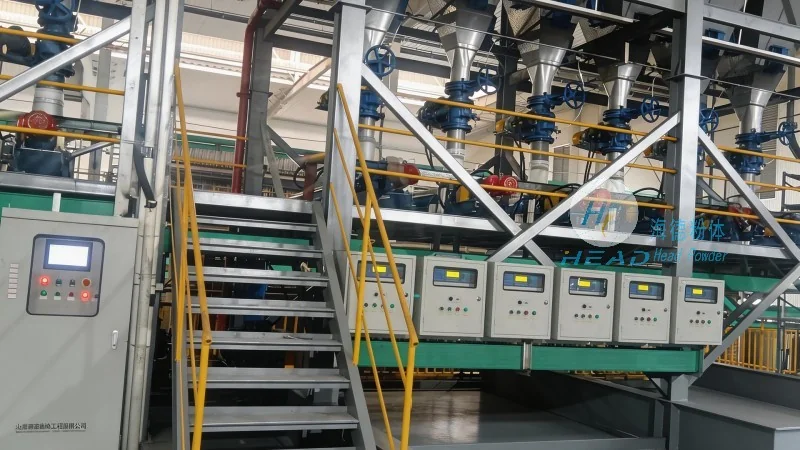
- Pressure and Flow Rate Optimization: The system is designed to maintain a consistent pressure and flow rate to ensure that the material is conveyed smoothly without clogging or excessive pressure buildup. Engineers calculate the required pressure based on the material's properties, pipeline length, and elevation changes to ensure reliable operation.
- Material Compatibility: The design considers the characteristics of the bulk material, such as its density, abrasiveness, and moisture content. The components, including the pump, line, and hoppers, are selected to withstand the material's properties and prevent wear or corrosion over time.
- System Layout and Geometry: The layout of the conveying line, including the number and angle of bends, is carefully planned to minimize pressure losses and ensure that the material can be conveyed efficiently. The design also considers the vertical and horizontal distances between the storage and receiving points to optimize the system's performance.
- Safety and Maintenance: The system incorporates safety features, such as pressure relief valves and emergency shut-off mechanisms, to prevent accidents and ensure safe operation. Regular maintenance, including cleaning and inspection of components, is essential to maintain the system's efficiency and longevity.
Applications and Benefits of High-Pressure Bin Pump Systems
High-pressure bin pump pneumatic conveying systems are widely used in various industries due to their versatility and efficiency. Some common applications include: