

What is a Denitrification Fly Ash Pneumatic Conveying System and Its Design Principles?
Denitrification fly ash, a byproduct of flue gas desulfurization processes in power plants, requires efficient handling and disposal. The denitrification fly ash pneumatic conveying system is a specialized equipment designed to transport this material safely and effectively. This article explores the equipment itself and its underlying design principles, providing insights into how such systems operate and why they are essential in modern industrial applications.
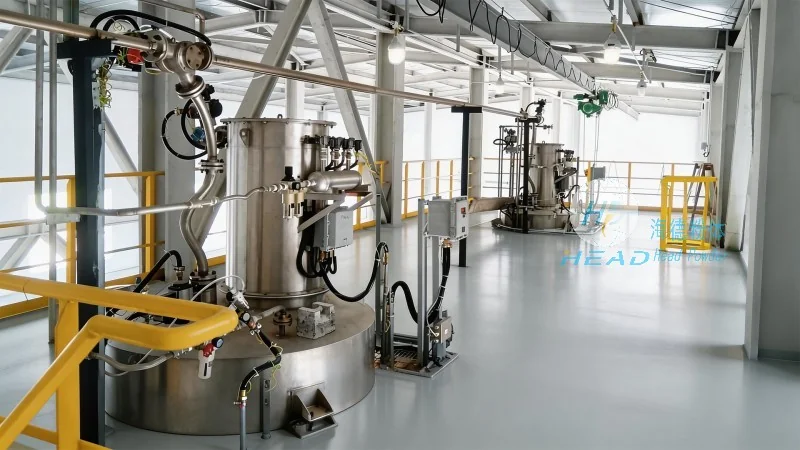
Overview of Denitrification Fly Ash Pneumatic Conveying Systems
The denitrification fly ash pneumatic conveying system is a critical component in the management of fly ash, which is generated during the removal of nitrogen oxides from flue gases. These systems utilize air or other gases to transport the fine, dry ash particles from one location to another, such as from the desulfurization unit to a storage or disposal site. The primary goal is to ensure that the ash is handled in a manner that minimizes environmental impact and maximizes operational efficiency.
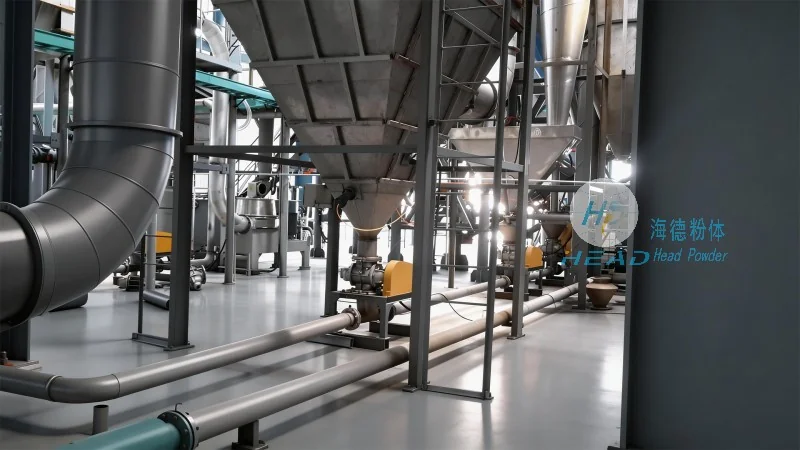
Key Components of the System
At the core of a denitrification fly ash pneumatic conveying system are several key components that work in tandem to achieve effective material transport. These include the ash collection hopper, which gathers the ash from the desulfurization process; the air compressor or blower, which generates the necessary pressure to move the material; the conveying pipeline, which transports the ash through the system; and the discharge equipment, such as a silo or storage tank, where the ash is deposited. Each component plays a vital role in the overall functionality of the system, and their design and integration are crucial for optimal performance.
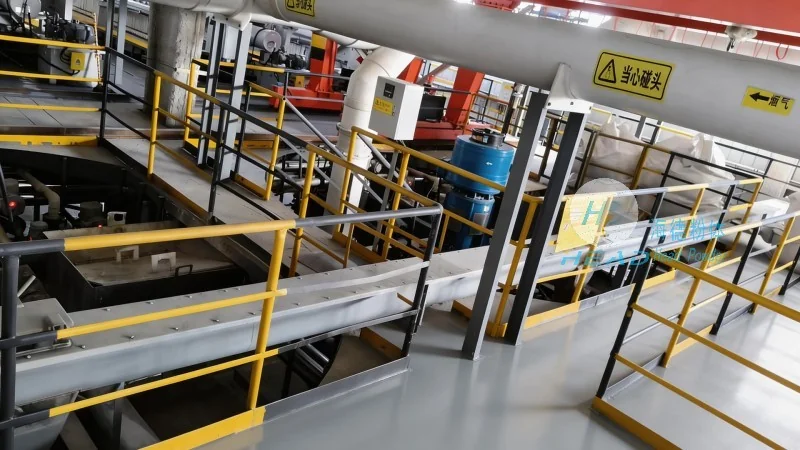
Design Principles for Efficient Operation
The design of a denitrification fly ash pneumatic conveying system is guided by several fundamental principles aimed at ensuring efficiency, reliability, and safety. One of the primary principles is the selection of appropriate air velocity and pressure to maintain the ash in a suspended state within the pipeline. This requires careful consideration of the ash's particle size, density, and flow characteristics. Additionally, the system must be designed to minimize pressure losses and energy consumption, which are critical factors in operational costs. The use of appropriate materials for the conveying pipeline, such as corrosion-resistant steel or plastic, is also essential to prevent ash buildup and ensure long-term durability.
Operational Considerations and Maintenance
Effective operation of a denitrification fly ash pneumatic conveying system involves regular maintenance and monitoring to ensure consistent performance. Regular cleaning of the conveying pipeline and equipment is necessary to prevent ash accumulation, which can lead to blockages and reduced efficiency. Additionally, monitoring air pressure and flow rates helps in identifying potential issues early, allowing for timely maintenance. The system's design should also incorporate features that facilitate easy access for maintenance, such as removable sections of the pipeline or accessible valves. Proper training of personnel on the system's operation and maintenance is also crucial to ensure safe and efficient operation.
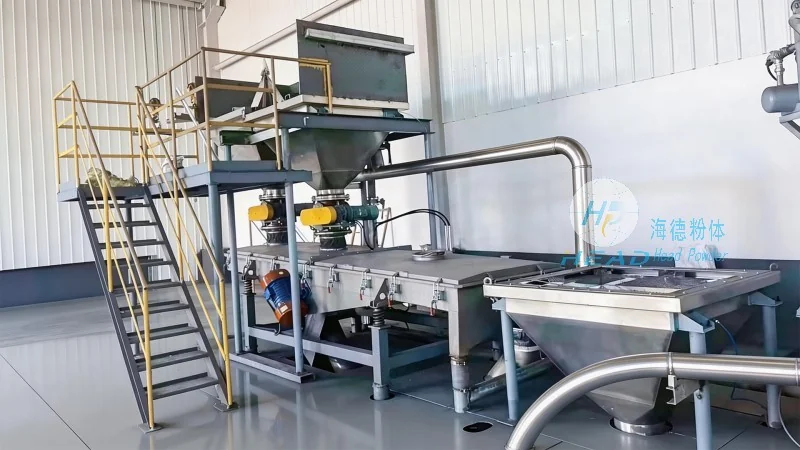
About Shandong HeadPowder Engineering Co., Ltd.
Shandong HeadPowder Engineering Co., Ltd., a leading manufacturer in the field of pneumatic conveying systems, specializes in providing customized solutions for industrial material handling. With years of experience and a commitment to quality, the company has developed advanced denitrification fly ash pneumatic conveying systems that meet the highest standards of efficiency and reliability. HeadPowder's expertise in material flow technology and system design ensures that their products are tailored to the specific needs of power plants and other industrial facilities, helping to optimize ash management processes and reduce operational costs. The company's headquarters is located in Shandong, China, where it continues to innovate and advance the technology of pneumatic conveying systems.