

What is a Sodium Sulphate Pneumatic Conveying System? What are its Design Principles?
For industrial applications involving the handling of sodium sulphate, a specialized system known as a pneumatic conveying system is often employed. This equipment is designed to transport the material efficiently and safely over long distances, minimizing the need for manual handling and reducing the risk of dust exposure. The design principles behind such systems are critical to ensuring optimal performance, reliability, and cost-effectiveness. In this article, we will explore the components, operational mechanisms, and key design considerations of a sodium sulphate pneumatic conveying system, with a focus on the expertise of Shandong HeadPowder Engineering Co., Ltd., a leading provider in this field.
Introduction to Sodium Sulphate Pneumatic Conveying Systems
Sodium sulphate, also known as mirabilite or Glauber's salt, is a common industrial chemical used in various processes, including the production of glass, detergents, and paper. When handling this material, traditional methods such as belt conveyors or bucket elevators may not be sufficient due to the material's properties, like its fine particle size and hygroscopic nature. A pneumatic conveying system offers a solution by using air or gas to transport the material through a pipeline network. This approach not only enhances safety by containing dust but also improves the overall efficiency of material transfer in industrial settings.
Key Components of a Sodium Sulphate Pneumatic Conveying System
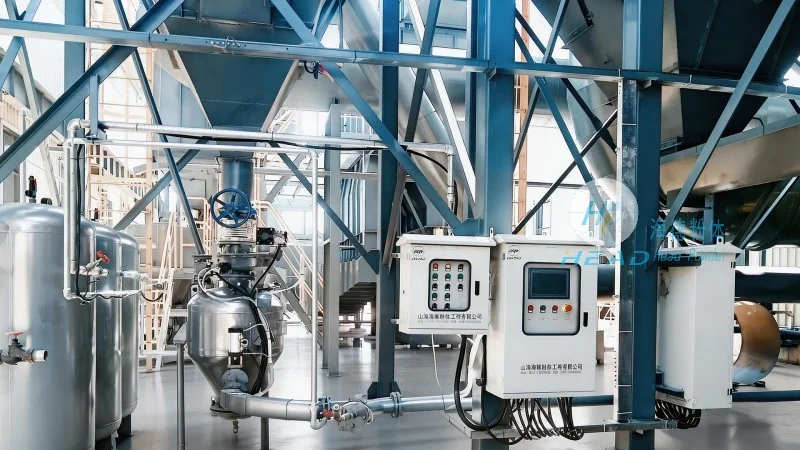
The effectiveness of a pneumatic conveying system for sodium sulphate depends on several key components that work in tandem to ensure smooth operation. These components include the material feed hopper, the air compressor or blower, the conveying pipeline, the control valves, and the discharge unit. Each component plays a crucial role in the system's functionality. The feed hopper is responsible for storing and feeding the sodium sulphate into the system, ensuring a consistent flow rate. The air compressor or blower generates the necessary pressure to move the material through the pipeline. The conveying pipeline, typically made of stainless steel or other corrosion-resistant materials, is designed to withstand the abrasive nature of the sodium sulphate particles. Control valves are used to regulate the air flow and material discharge, allowing for precise control over the conveying process. Finally, the discharge unit collects the material at the end of the pipeline, completing the transfer process.
Design Principles for Optimal Performance
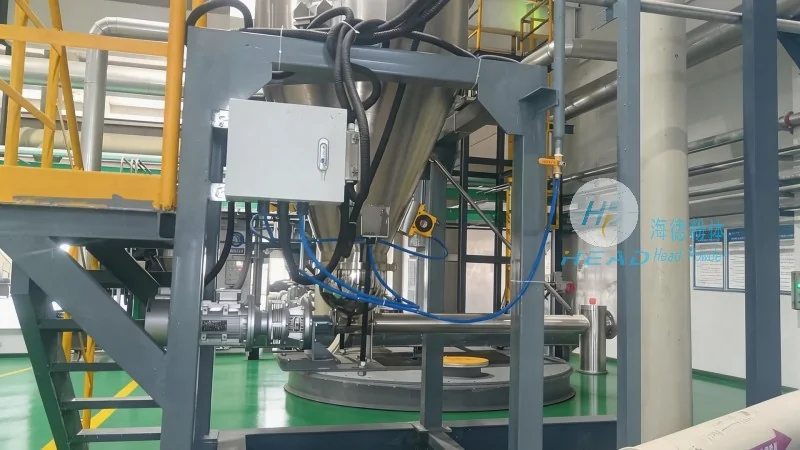
The design of a sodium sulphate pneumatic conveying system involves several critical principles aimed at maximizing efficiency, minimizing wear and tear, and ensuring long-term reliability. One of the primary design considerations is the selection of the appropriate conveying velocity. The velocity must be high enough to prevent material settling or blockages but low enough to avoid excessive wear on the pipeline and components. Engineers typically use the "critical velocity" concept, which is the minimum velocity required to keep the material in suspension. For sodium sulphate, this velocity is often determined through empirical testing and calculations based on particle size, density, and air properties. Another important design principle is the system's pressure drop. The pressure drop across the pipeline and components must be minimized to reduce energy consumption and ensure consistent flow. This is achieved by optimizing the pipeline diameter, using smooth pipe surfaces, and selecting components with low friction losses. Additionally, the system's layout and the number of bends and fittings are carefully designed to minimize pressure losses and prevent material accumulation at low points.
Material Handling Considerations for Sodium Sulphate
When designing a pneumatic conveying system for sodium sulphate, several material-specific factors must be considered to ensure the system's longevity and performance. Sodium sulphate is a hygroscopic material, meaning it readily absorbs moisture from the air. This can lead to caking or clumping, which can cause blockages in the pipeline. To mitigate this issue, the system may include drying or dehumidification components, such as desiccant air dryers, to maintain the material's dryness. The material's abrasive nature also requires the use of high-quality, corrosion-resistant materials for the pipeline and components. Stainless steel is a common choice due to its resistance to corrosion and wear from the fine particles. Furthermore, the system's design must account for the material's density and flow characteristics. Sodium sulphate has a relatively high density compared to some other powders, which affects the air-to-material ratio required for effective conveying. The design must balance the air flow with the material flow to achieve optimal suspension and prevent material settling.
System Integration and Control
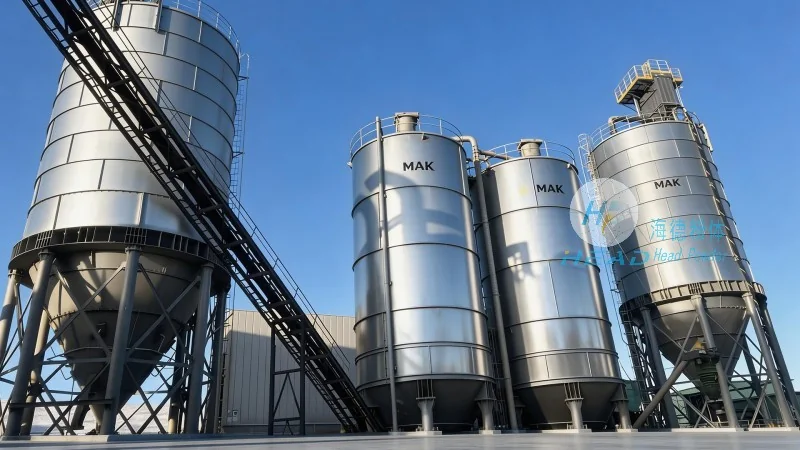
Modern sodium sulphate pneumatic conveying systems are often integrated with advanced control systems to enhance operational efficiency and safety. These control systems use sensors and automation to monitor key parameters such as pressure, flow rate, and material level. By continuously monitoring these parameters, the system can automatically adjust the air flow and material feed rate to maintain optimal performance. This integration also allows for remote monitoring and diagnostics, enabling quick identification and resolution of any issues that may arise. The control system may include features such as pressure relief valves to prevent over-pressurization and material flow switches to detect blockages. These safety features are critical in preventing accidents and ensuring the system operates within safe limits. Additionally, the control system can be programmed to follow specific operational sequences, such as starting the air compressor before the material feed is initiated, to prevent air from being trapped in the pipeline.
Maintenance and Longevity of the System
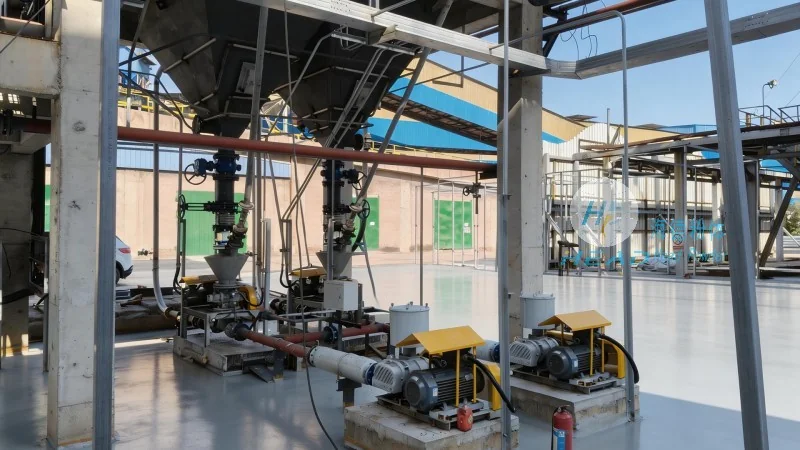
Proper maintenance is essential to ensure the long-term performance and reliability of a sodium sulphate pneumatic conveying system. Regular maintenance activities include cleaning the pipeline and components to remove accumulated material, inspecting the air compressor and blower for wear and tear, and checking the control system for proper operation. The frequency of maintenance depends on the system's usage and the material's properties. For example, systems handling highly abrasive materials like sodium sulphate may require more frequent inspections and component replacements. Shandong HeadPowder Engineering Co., Ltd. provides comprehensive maintenance services to ensure that their systems operate at peak efficiency. Their maintenance programs include preventive maintenance schedules, on-site inspections, and replacement of worn parts, helping to extend the system's lifespan and reduce downtime. By adhering to a regular maintenance routine, users can minimize the risk of system failures and ensure consistent material transfer.
Conclusion: The Importance of Expert Design and Implementation
In conclusion, a sodium sulphate pneumatic conveying system is a sophisticated piece of equipment that requires careful design and implementation to achieve optimal performance. The design principles discussed in this article, including the selection of appropriate components, consideration of material properties, and integration of advanced control systems, are crucial to ensuring the system's efficiency and reliability. Shandong HeadPowder Engineering Co., Ltd. specializes in the design, manufacturing, and installation of such systems, leveraging their expertise to deliver solutions tailored to the specific needs of their clients. By understanding the key components and design principles of a pneumatic conveying system, industrial facilities can improve their material handling processes, enhance safety, and reduce operational costs. The proper design and maintenance of a sodium sulphate pneumatic conveying system are essential for achieving long-term success in industrial applications.