

What is a Talc Powder Pneumatic Conveying System Equipment? What is its Design Principle?
Talc powder, a widely used industrial mineral, often requires efficient and reliable transportation methods for processing and distribution. The talc powder pneumatic conveying system equipment is a specialized solution designed to handle this material with precision and minimal loss. This equipment is crucial in industries such as ceramics, paint, and cosmetics, where talc powder quality and consistency are paramount. By understanding the components and design principles of this system, users can optimize their material handling processes and enhance operational efficiency.
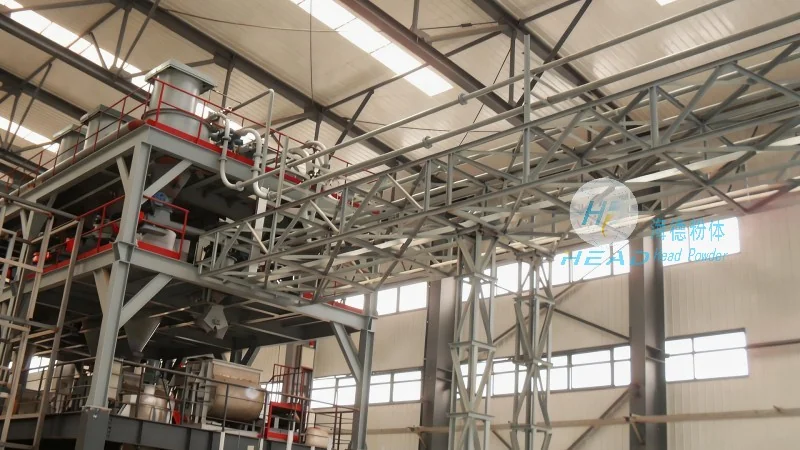
Components of a Talc Powder Pneumatic Conveying System
The talc powder pneumatic conveying system typically consists of several key components that work in tandem to transport the material. The primary elements include a hopper or feeder to store and feed the talc powder, a conveying line (usually made of stainless steel or other corrosion-resistant materials to prevent contamination), a blower or air compressor to generate the necessary air pressure, and a receiver or discharge unit to collect the material at the destination. Additionally, the system may incorporate filters, cyclones, or other separation devices to ensure the powder remains dry and free from contaminants. Each component plays a vital role in maintaining the integrity of the talc powder and ensuring smooth operation.
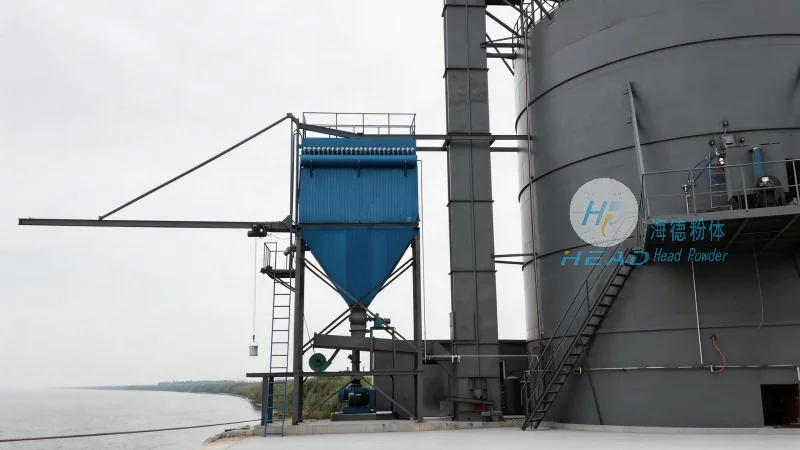
Design Principles of the System
The design of a talc powder pneumatic conveying system is based on several fundamental principles to ensure effective and safe material transport. One of the key principles is the use of positive pressure or negative pressure systems. Positive pressure systems use a blower to push air and powder through the conveying line, while negative pressure systems use a vacuum to draw the material. The choice between these systems depends on the distance, height, and volume of material to be transported. Another critical principle is the velocity of the air flow, which must be sufficient to keep the talc powder suspended and prevent clogging or deposition in the line. Engineers typically calculate the required air velocity based on the particle size, density, and flow rate of the talc powder. The system also considers the material's properties, such as its moisture content and abrasiveness, to select appropriate equipment materials and maintenance schedules. Proper design ensures that the talc powder remains in a dry, free-flowing state throughout the conveying process, minimizing the risk of caking or degradation.
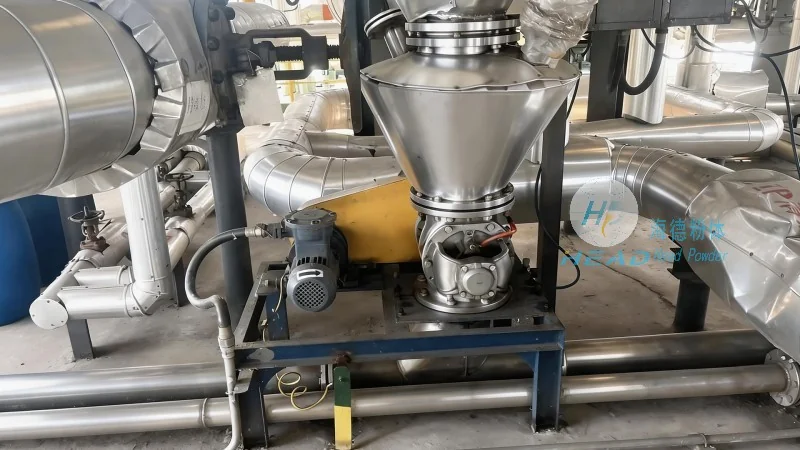
Advantages of Using Talc Powder Pneumatic Conveying Equipment
Implementing a talc powder pneumatic conveying system offers numerous advantages for industrial applications. One of the most significant benefits is the ability to transport the material in a closed system, which prevents dust emissions and contamination from external sources. This is particularly important for talc powder, which can be a respiratory irritant and requires strict handling protocols. The closed system also reduces the risk of product cross-contamination, ensuring that each batch of talc powder remains pure and consistent. Another advantage is the high efficiency in material handling, as the system can transport large volumes of talc powder over long distances with minimal labor and maintenance. The equipment is also flexible, allowing for easy integration with existing production lines and modifications to accommodate varying production rates. Additionally, the system reduces downtime by minimizing the need for manual handling and material transfer, leading to increased overall productivity. These advantages make the talc powder pneumatic conveying system a preferred choice for many industries that rely on consistent and high-quality talc powder.
Application Examples in Industrial Settings
The talc powder pneumatic conveying system is widely used in various industrial settings where talc powder is a key component. In the ceramics industry, for example, talc powder is used as a filler and flux in clay-based products. The conveying system efficiently transports talc powder from storage silos to mixing and extrusion equipment, ensuring a consistent blend of materials. In the paint and coatings industry, talc powder is added to improve the texture and durability of paints. The system delivers the powder to mixing tanks, maintaining its fine particle size and preventing agglomeration. Similarly, in the cosmetics industry, talc powder is used in powders and creams. The closed conveying system prevents contamination and maintains the product's purity, which is critical for consumer safety and brand reputation. These applications demonstrate the versatility and reliability of the talc powder pneumatic conveying system in different industrial contexts.
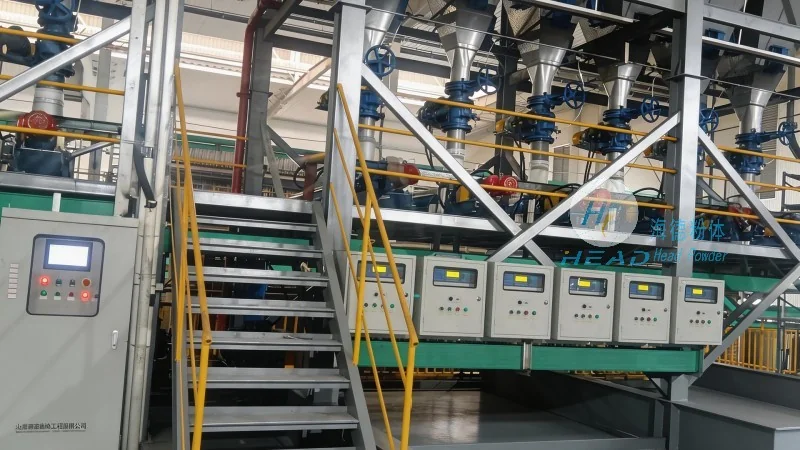
Conclusion and Company Information
Overall, the talc powder pneumatic conveying system equipment is an essential tool for industries that handle talc powder, providing efficient, safe, and reliable material transport. The design principles and components of this system are carefully engineered to meet the specific needs of talc powder, ensuring minimal loss and maximum product integrity. By investing in a high-quality pneumatic conveying system, companies can enhance their operational efficiency and maintain the quality of their talc powder products. Shandong HeadPowder Engineering Co., Ltd., a leading manufacturer of such equipment, specializes in providing customized solutions tailored to the unique requirements of each client. With its headquarters in Shandong, China, the company leverages advanced technology and industry expertise to deliver reliable and durable talc powder pneumatic conveying systems that meet international standards. Whether for short or long-distance transport, the system from headpowder offers a cost-effective and efficient solution for talc powder handling, supporting the growth and success of industrial operations worldwide.