

What is a Sodium Phosphate Pneumatic Conveying System Equipment? What Are Its Design Principles?
Sodium phosphate, a widely used chemical in various industries such as food processing, pharmaceuticals, and industrial manufacturing, often requires efficient and safe handling methods. The sodium phosphate pneumatic conveying system equipment is a specialized solution designed to transport this material through an air-driven system. This technology offers a reliable alternative to traditional methods like belt conveyors or bucket elevators, particularly for handling fine powders or granules that are prone to dust and clogging.
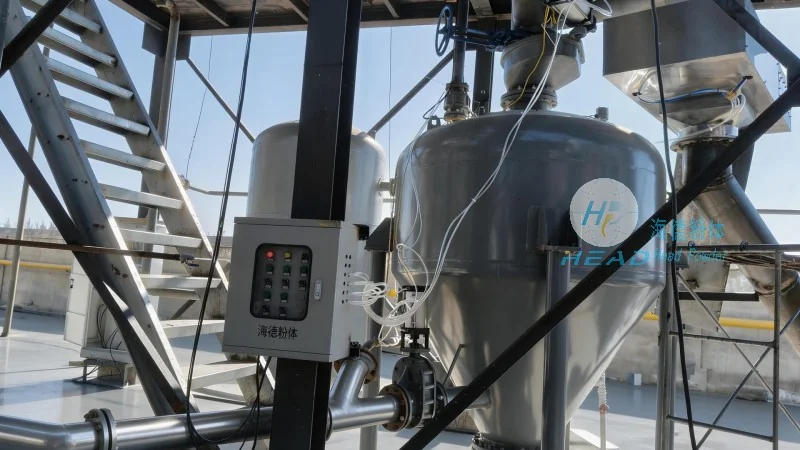
Understanding the Equipment and Its Core Components
The sodium phosphate pneumatic conveying system typically consists of several key components that work in tandem to ensure smooth material transport. The primary components include a material hopper or silo for storage, a feeder mechanism to control the flow rate, a conveying line (often made of metal or flexible tubing), a blower or air compressor to generate the necessary air pressure, and a receiver or discharge hopper at the destination. Each component plays a critical role in maintaining the system's efficiency and safety.
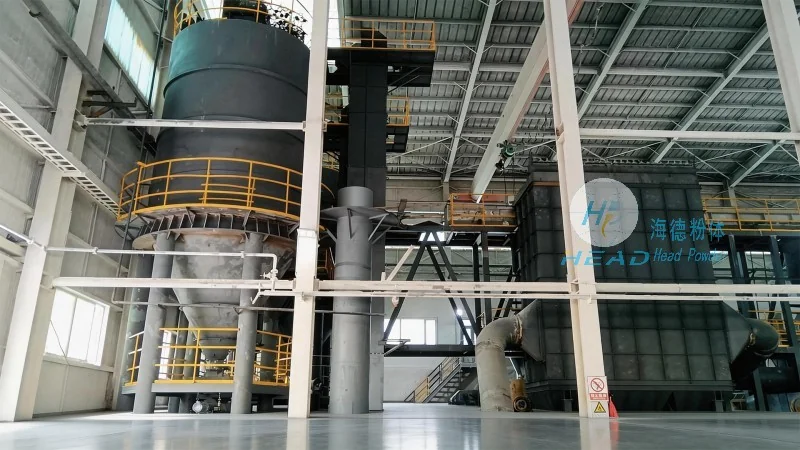
Design Principles Behind the System
The design principles of the sodium phosphate pneumatic conveying system are centered on the fundamental physics of fluidization and air movement. The system operates on the principle of creating a low-pressure or high-pressure air stream that lifts and propels the sodium phosphate particles through the conveying line. The key design considerations include the air velocity, which must be sufficient to keep the particles suspended but not so high as to cause excessive wear on the equipment or generate too much dust. The system's design also takes into account the material's properties, such as its density, particle size, and moisture content, to ensure optimal performance.
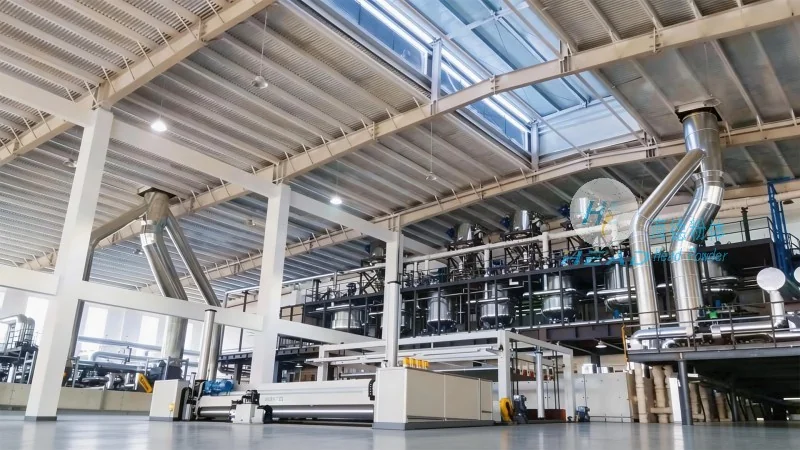
Key Features and Advantages of the System
The sodium phosphate pneumatic conveying system offers several advantages over conventional material handling methods. One of the most significant benefits is its ability to handle fine powders without the risk of clogging or blockages, which are common issues with other systems. The system also provides a dust-free operation, enhancing workplace safety and compliance with environmental regulations. Additionally, the equipment is compact and can be easily integrated into existing production lines, reducing installation time and costs. The system's flexibility allows for multiple discharge points, enabling the material to be distributed to different locations within a facility.
Application Scenarios and Operational Benefits
The sodium phosphate pneumatic conveying system is widely used in industries where precise and controlled material transport is essential. In the food industry, for example, it is used to transport sodium phosphate used as a food additive, ensuring that the material is handled hygienically and without contamination. In pharmaceutical manufacturing, the system is employed to transport sodium phosphate used in drug formulations, maintaining the purity and consistency of the product. The operational benefits of the system include increased productivity, reduced labor costs, and improved safety for workers, as the material is handled remotely and without direct contact.
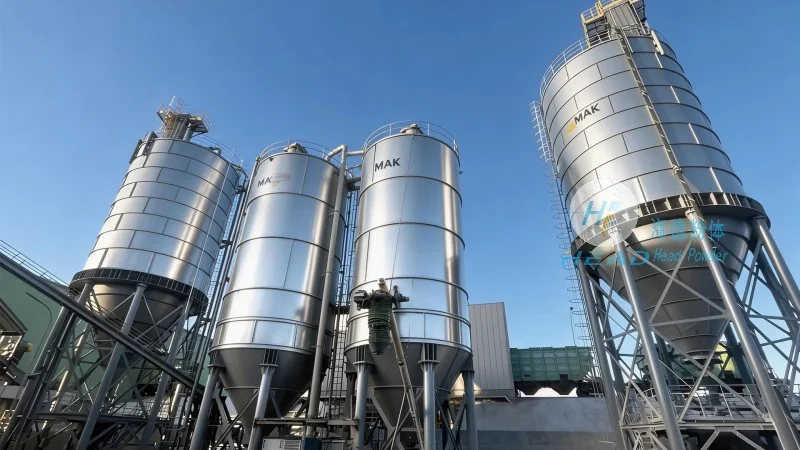
About HeadPowder Engineering Co., Ltd.
HeadPowder Engineering Co., Ltd., based in Shandong, China, is a leading manufacturer and supplier of advanced material handling equipment, including the sodium phosphate pneumatic conveying system. The company specializes in designing and manufacturing customized solutions tailored to the specific needs of its clients. With a strong commitment to quality and innovation, HeadPowder Engineering Co., Ltd. provides reliable and efficient equipment that meets the highest industry standards. The company's products are known for their durability, low maintenance requirements, and long service life, making them a preferred choice for businesses in various industries.