

What is a Manganese Carbonate Pneumatic Conveying System Equipment? What Are Its Design Principles?
Manganese carbonate is a vital industrial chemical utilized across multiple sectors, including battery manufacturing, steel production, and chemical synthesis. The efficient and safe transportation of this material from one processing stage to another is crucial for maintaining production efficiency and ensuring product quality. This article delves into the Manganese Carbonate Pneumatic Conveying System Equipment, detailing its components, operational mechanics, and design considerations.
Understanding the Manganese Carbonate Pneumatic Conveying System Equipment
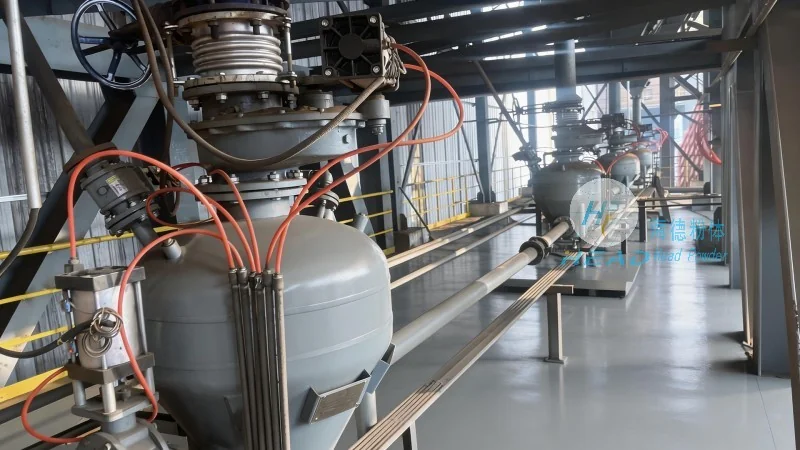
The Manganese Carbonate Pneumatic Conveying System Equipment is a specialized industrial system engineered to transport manganese carbonate powder or granules through a pipeline using air or other gas as the conveying medium. Unlike traditional mechanical conveyors, this system relies on compressed air to move the material, offering advantages such as reduced equipment wear, lower maintenance needs, and the ability to handle materials in a dust-free environment. The system typically comprises several key components: a hopper for material storage, a feeder to control flow rate, a conveying line, and a receiver for material at the destination. These components work in unison to ensure a continuous and controlled flow of manganese carbonate throughout the production process.
Key Components of the System
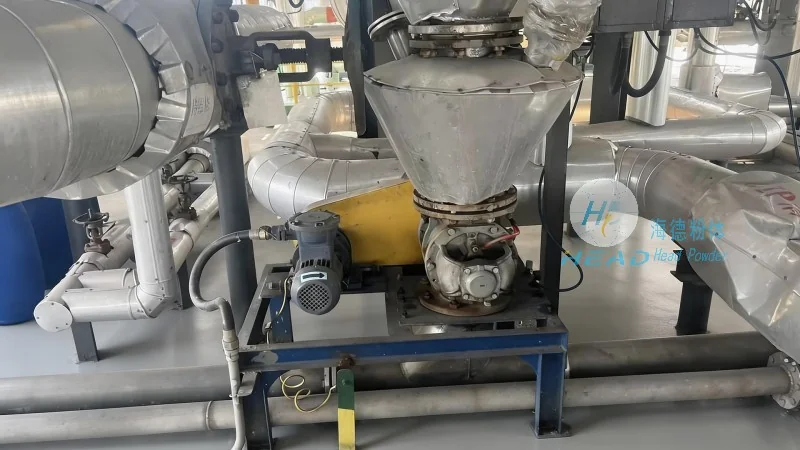
At the core of the Manganese Carbonate Pneumatic Conveying System Equipment are several critical components that ensure efficient operation. The hopper serves as the primary storage vessel, holding the manganese carbonate before it is fed into the system. It is designed with a sloped bottom to facilitate material flow into the feeder. The feeder, often a rotary valve or screw feeder, regulates the amount of material released into the conveying line, preventing overloading and ensuring a consistent flow rate. The conveying line is a flexible or rigid pipe that transports the material and air mixture. It may include bends, elbows, or other fittings to direct the material to the receiver. The receiver is a container that collects the material at the end of the conveying line, allowing it to be discharged for further processing. Additionally, the system may include a filter or cyclone to separate material from air, preventing dust release and ensuring environmental compliance.
Design Principles and Operational Mechanics
The design of the Manganese Carbonate Pneumatic Conveying System Equipment is guided by fundamental principles to ensure optimal performance and safety. The most critical principle is balancing conveying velocity with material particle size and density. The conveying velocity must be sufficient to overcome gravitational forces and pipeline friction. This velocity is determined by material characteristics (bulk density, flowability), system pressure, and flow rate. Another key design consideration is system pressure and flow rate. The system operates under positive or negative pressure: positive pressure uses compressed air to push material forward, while negative pressure uses suction to draw material into the line. Pressure and flow rate are calibrated to maintain stable flow without excessive component wear or dust emissions.
Advantages of the Manganese Carbonate Pneumatic Conveying System Equipment
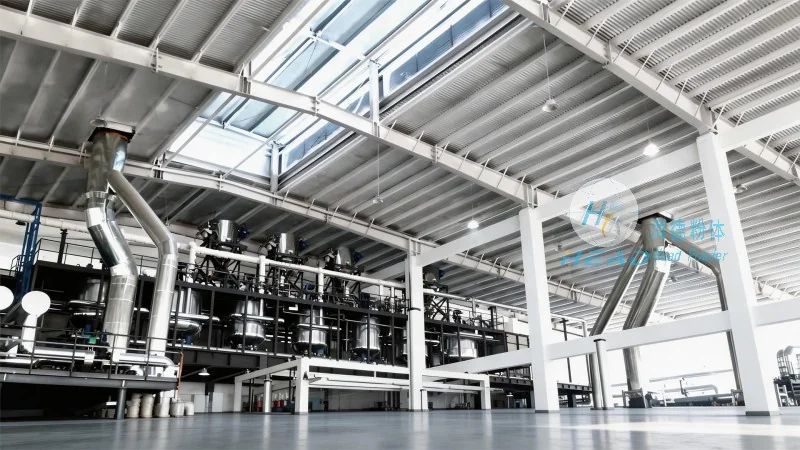
Compared to traditional mechanical conveyors, the Manganese Carbonate Pneumatic Conveying System Equipment offers several advantages. One primary benefit is handling materials in a dust-free environment, critical for manganese carbonate due to respiratory risks. The system also reduces contamination risk, as it is enclosed and sealed. Additionally, it is more energy-efficient than mechanical conveyors, using compressed air rather than mechanical power, lowering operating costs and energy consumption. The system offers layout flexibility, easily integrating with existing equipment and processes, minimizing downtime during installation and operation.
Applications and Industries
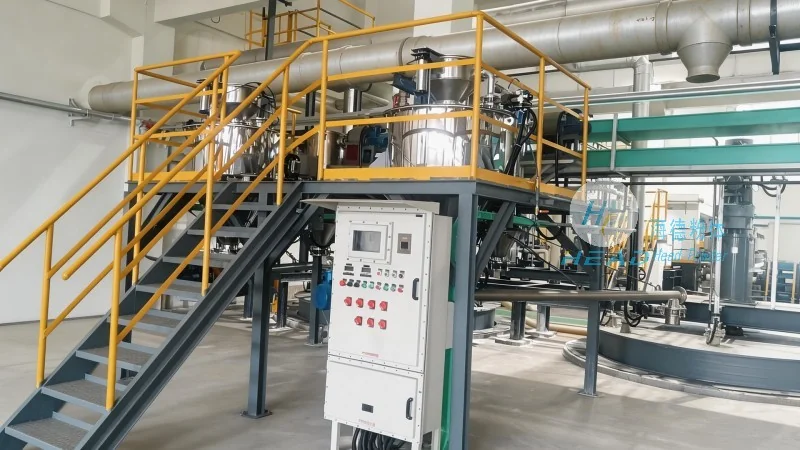
The Manganese Carbonate Pneumatic Conveying System Equipment is widely used in industries relying on manganese carbonate as a raw material. In the battery industry, it transports manganese carbonate from storage to the battery manufacturing line, ensuring consistent supply. In steelmaking, it moves manganese carbonate to blast furnaces or processing equipment as a flux or alloying agent. The chemical industry also uses it for transporting material to reactors or processing units. Its versatility suits small-scale laboratory operations to large-scale industrial production.
Conclusion
The Manganese Carbonate Pneumatic Conveying System Equipment is a critical component in efficiently and safely handling manganese carbonate in industrial settings. Its pneumatic conveying design offers advantages over traditional systems, including reduced contamination, lower energy use, and greater flexibility. Component coordination ensures continuous, controlled material flow while maintaining a dust-free environment and minimizing operational risks. As demand for manganese carbonate grows, the importance of efficient conveying systems increases. Companies like Shandong HeadPowder Engineering Co., Ltd., based in China, specialize in designing and manufacturing such systems, providing customized solutions to meet client needs. With expertise and experience, they help industries maintain high production standards and ensure safe manganese carbonate handling throughout the production process.