

What is Rice Powder Conveying? What are the Design Principles?
Rice powder conveying is a specialized process used in the handling and transportation of rice-derived powders, such as rice flour or rice starch. This technology is crucial for industries that rely on efficient and reliable movement of these fine materials from one processing stage to another. Understanding the mechanisms behind rice powder conveying and the design principles that govern it is essential for optimizing production lines and ensuring product quality.
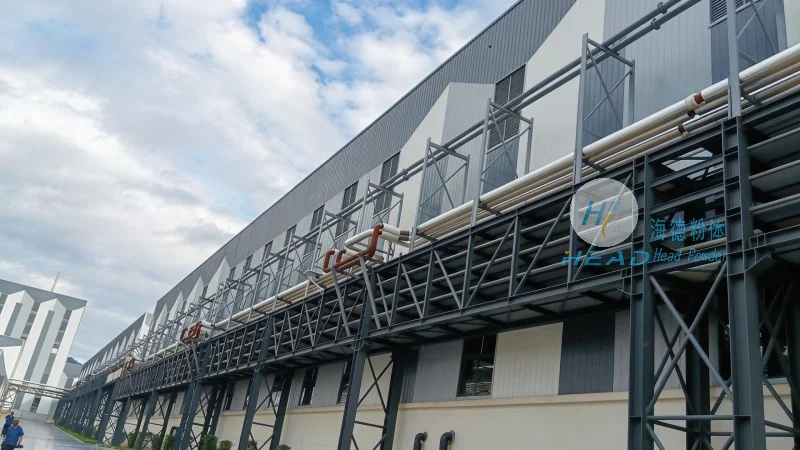
Understanding Rice Powder Conveying Systems
Rice powder conveying systems are engineered to handle the unique properties of rice powders, which include fine particle size, hygroscopic nature, and potential for dust generation. These systems must address challenges such as material flow control, dust suppression, and energy efficiency. The core components of a typical rice powder conveying system include feeders, conveyors, and control mechanisms that work in tandem to move the powder through the processing facility.
Key Design Principles for Efficient Conveying
The design of rice powder conveying systems is guided by several critical principles to ensure optimal performance. First, the system must maintain consistent material flow rates to prevent blockages or uneven distribution. This is achieved through the use of appropriate feeding mechanisms, such as rotary valves or screw feeders, which regulate the amount of powder entering the conveyor. Second, the design incorporates dust control measures, including sealed enclosures and filtration systems, to minimize airborne particles and protect both the equipment and the environment. Third, energy efficiency is a key consideration, with systems often incorporating variable speed drives and optimized conveyor geometry to reduce power consumption while maintaining performance.
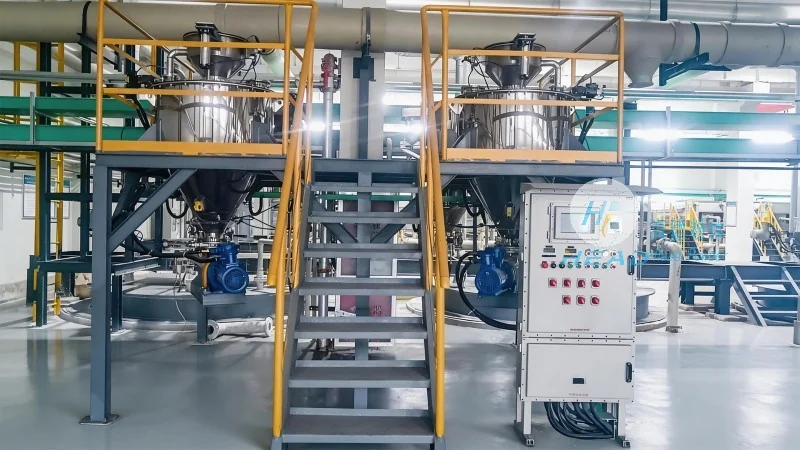
Components and Their Roles in Rice Powder Conveying
Several key components are integral to the functionality of rice powder conveying systems. The feeder, typically a rotary valve or a screw conveyor, is responsible for controlling the flow of rice powder from the storage hopper or processing unit. This component ensures a steady and controlled feed rate, which is crucial for maintaining consistent material flow through the system. The conveyor itself, often a pneumatic or mechanical system, transports the powder from the feeder to the next processing stage. Pneumatic conveyors use air pressure to move the powder, while mechanical conveyors rely on belts or screws. The choice between these systems depends on factors such as the powder's properties, the distance to be covered, and the required flow rate. Finally, the control system monitors and adjusts the operation of the feeder and conveyor, ensuring that the system operates within specified parameters and responds to changes in material conditions or demand.
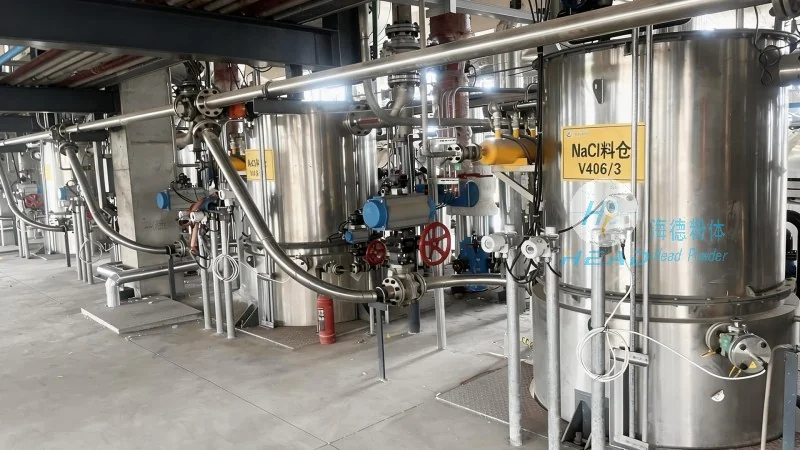
Applications and Industries Utilizing Rice Powder Conveying
Rice powder conveying is widely used in various industries that process rice-derived products. The food industry, particularly in the production of rice flour, rice starch, and other rice-based ingredients, relies heavily on these systems to move raw materials and finished products through the production line. Additionally, the pharmaceutical and cosmetic industries use rice powder conveying for the handling of rice-derived powders in formulations. These applications require systems that maintain product purity and prevent contamination, which is achieved through the use of stainless steel components and rigorous cleaning protocols.
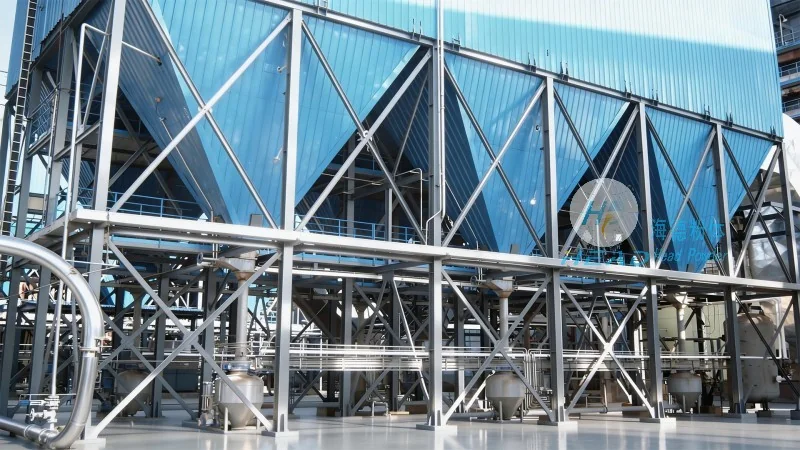
Advantages of Properly Designed Rice Powder Conveying Systems
Implementing a well-designed rice powder conveying system offers numerous advantages for businesses. One of the primary benefits is improved operational efficiency, as consistent material flow reduces downtime and increases production throughput. Additionally, effective dust control measures enhance workplace safety and comply with environmental regulations. The energy-efficient design of modern systems helps reduce operational costs, contributing to overall cost savings. Furthermore, the ability to maintain product quality and prevent contamination is critical for industries where product purity is paramount, such as food and pharmaceuticals. These systems also contribute to longer equipment life by minimizing wear and tear through proper material handling and flow control.
Conclusion and Recommendations
In conclusion, rice powder conveying is a vital technology for industries that process rice-derived powders. The design principles and components of these systems are carefully engineered to address the unique challenges of handling fine, hygroscopic materials. By selecting and implementing a properly designed system, businesses can achieve improved efficiency, cost savings, and product quality. For companies in the rice processing industry, partnering with a specialized engineering firm, such as Shandong HeadPowder Engineering Co., Ltd., based in China, can provide the expertise and solutions needed to optimize their powder conveying operations. The company's focus on tailored solutions and adherence to industry standards ensures that clients receive systems that meet their specific production requirements and contribute to long-term operational success.