

What is Iron Sand Powder Conveying? What Are Its Design Principles?
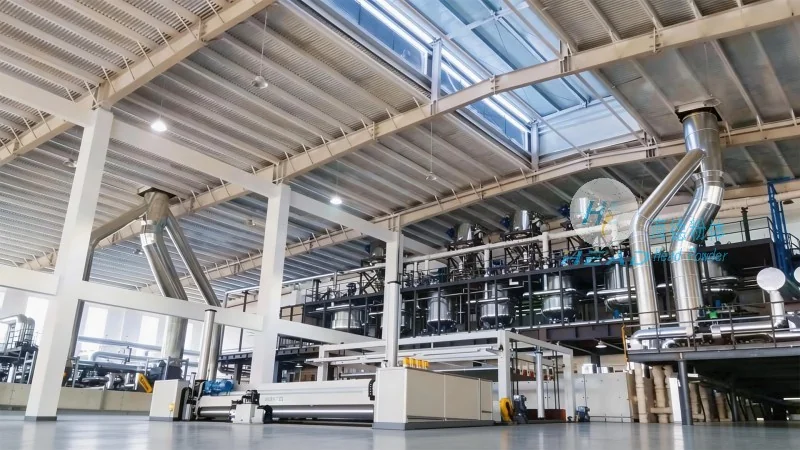
Iron sand powder conveying systems are specialized industrial solutions designed to handle the transportation of iron sand, a fine particulate material commonly used in various manufacturing and processing applications. As a key component in many production lines, efficient and reliable iron sand powder handling is crucial for maintaining operational efficiency and product quality. This article explores the fundamental aspects of iron sand powder conveying, focusing on the core design principles that underpin these systems.
Understanding Iron Sand Powder Conveying
Iron sand, often composed of finely ground iron particles, presents unique challenges when it comes to material handling due to its abrasive nature and tendency to generate dust. Traditional conveying methods may not be suitable for such materials, as they can cause equipment wear, blockages, or contamination. To address these issues, specialized conveying systems have been developed, leveraging advanced engineering principles to ensure safe, efficient, and consistent material transport. The primary goal of iron sand powder conveying is to move the material from its source to the processing or storage location with minimal loss, contamination, or operational downtime.
Key Design Principles of Iron Sand Powder Conveying Systems
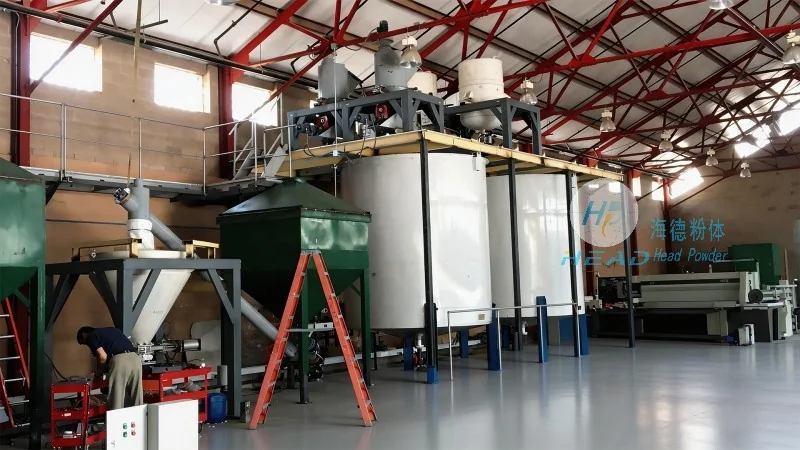
The design of iron sand powder conveying systems revolves around several critical principles that ensure optimal performance and longevity. These principles include material compatibility, system sealing, and energy efficiency. Material compatibility is paramount, as the conveying equipment must be constructed from materials that can withstand the abrasive and corrosive properties of iron sand. Common materials used for system components include stainless steel, special alloys, and wear-resistant coatings to minimize wear and extend equipment life. Sealing is another critical aspect, as iron sand is prone to generating dust that can cause environmental issues and equipment damage. Advanced sealing technologies, such as positive pressure systems or enclosed conveying lines, are employed to contain the material and prevent dust emissions. Energy efficiency is also a key consideration, as iron sand conveying systems often operate continuously. Optimized designs, including variable speed drives and efficient motor selections, help reduce energy consumption while maintaining the required conveying capacity. Additionally, the system design considers the flow characteristics of iron sand, ensuring that the conveying velocity and pressure are appropriate to prevent material settling or blockages in the lines.
Components and Operational Mechanisms
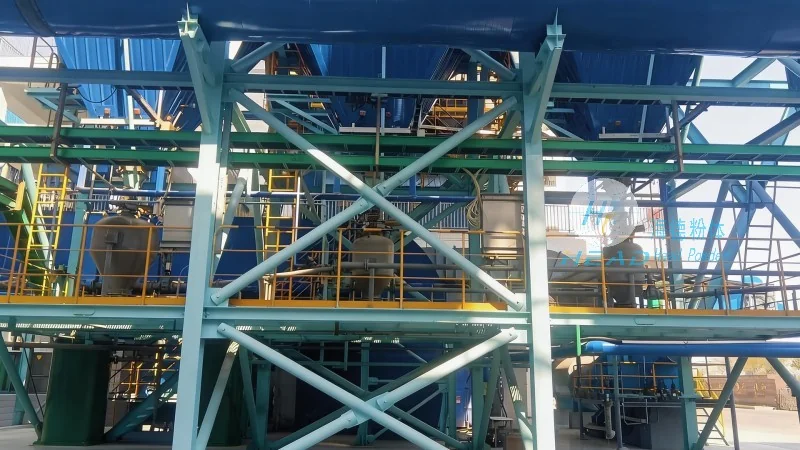
Iron sand powder conveying systems typically consist of several interconnected components that work together to achieve the desired material transport. The main components include feeders, conveying lines, control systems, and discharge devices. Feeders are responsible for uniformly feeding the iron sand into the conveying system, ensuring a consistent flow rate. Common feeder types include screw feeders, vibratory feeders, and rotary valves, each chosen based on the specific characteristics of the iron sand and the system requirements. The conveying lines are the core of the system, responsible for transporting the material from the feeder to the discharge point. These lines can be made of flexible hoses, rigid pipes, or enclosed ducts, depending on the application. For iron sand, enclosed ducts are often preferred to contain the material and prevent dust leakage. The control system manages the operation of the conveying components, ensuring that the system runs smoothly and responds to changes in material flow or pressure. This system typically includes sensors, controllers, and safety features to monitor and regulate the conveying process. Discharge devices are used to release the iron sand from the conveying line at the desired location, such as a storage silo or processing unit. These devices can be designed to minimize material spillage and ensure a clean discharge.
Applications and Benefits
Iron sand powder conveying systems are widely used in various industries, including metallurgy, foundries, and chemical processing. In metallurgy, iron sand is often used as a raw material in the production of iron-based alloys or as a component in steelmaking processes. The efficient conveying of iron sand ensures a steady supply of material to the production line, reducing downtime and improving overall productivity. In foundries, iron sand is used in sand casting processes, where it serves as a refractory material or a component in the casting molds. The ability to convey iron sand reliably and consistently is essential for maintaining the quality of the castings and reducing defects. In chemical processing, iron sand may be used as a catalyst or a raw material in the production of iron-based chemicals. The specialized conveying systems help ensure that the material is handled safely and efficiently, minimizing the risk of contamination or environmental impact.
Conclusion
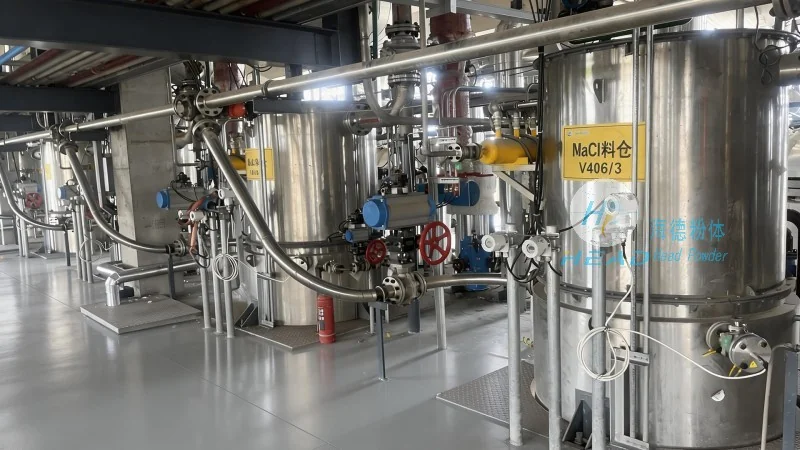
Iron sand powder conveying systems are sophisticated industrial solutions that play a vital role in the efficient handling of iron sand, a critical material in many manufacturing processes. By adhering to key design principles such as material compatibility, effective sealing, and energy efficiency, these systems ensure reliable and safe material transport. The components and operational mechanisms of iron sand conveying systems are carefully engineered to meet the specific demands of the material and the application, providing consistent performance and longevity. As a result, iron sand powder conveying systems contribute significantly to the productivity and quality of operations in industries that rely on iron sand as a key component. With continuous advancements in engineering and technology, these systems are becoming even more efficient and reliable, further enhancing their role in modern industrial applications.