

What is Dust-Free Enclosed Powder Handling? And What Are Its Design Principles?
Understanding the fundamentals of dust-free enclosed powder handling is crucial for industries that rely on the safe and efficient transfer of powders. This process involves the use of specialized equipment designed to minimize particle release and ensure a controlled environment for material transport. The core objective is to maintain a clean, safe workspace while preventing contamination and product loss.
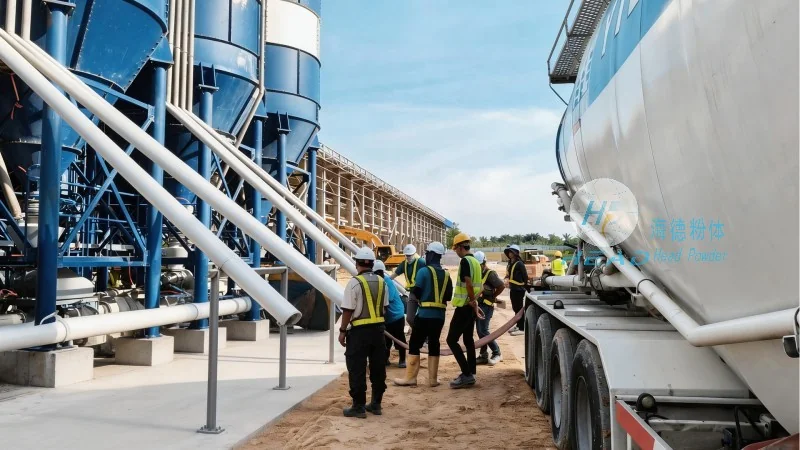
Key Components of Dust-Free Enclosed Systems
At the heart of dust-free enclosed powder handling systems are several critical components that work in tandem to achieve a sealed, particle-free operation. These include high-quality sealing mechanisms, robust material handling equipment, and advanced control systems. Each component is engineered to withstand the unique challenges of powder handling, such as static electricity, material abrasion, and the need for precise flow control.
The Design Principles Behind Enclosed Powder Transfer
The design principles of dust-free enclosed systems prioritize safety, efficiency, and compliance with industry standards. A key principle is the creation of a fully enclosed pathway for powder movement, which eliminates the risk of airborne particle dispersion. This is achieved through the use of airtight seals, positive pressure or negative pressure environments, and continuous monitoring of the system's integrity. Additionally, the design emphasizes energy efficiency and minimal maintenance requirements, ensuring long-term operational reliability.
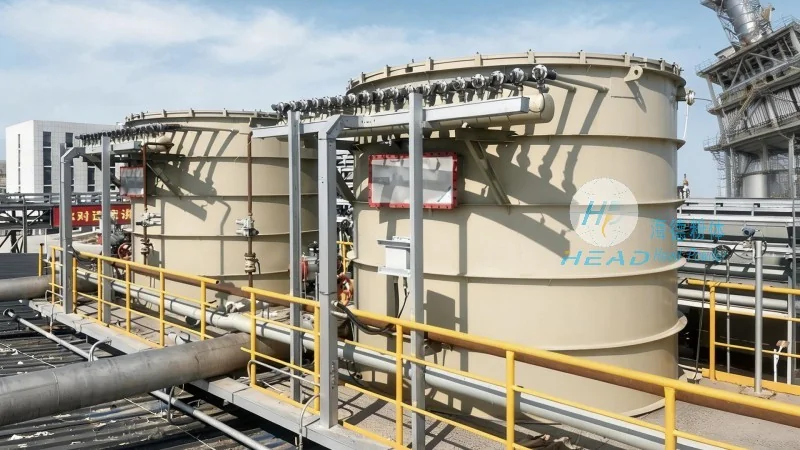
How Enclosed Systems Minimize Contamination and Loss
One of the primary benefits of dust-free enclosed powder handling is the reduction of product contamination and loss. By containing the powder within a sealed system, the risk of cross-contamination with external particles or environmental pollutants is significantly reduced. This is particularly important in industries where product purity is non-negotiable, such as pharmaceuticals, food processing, and chemical manufacturing. The enclosed design also helps prevent material spillage and waste, contributing to cost savings and environmental sustainability.
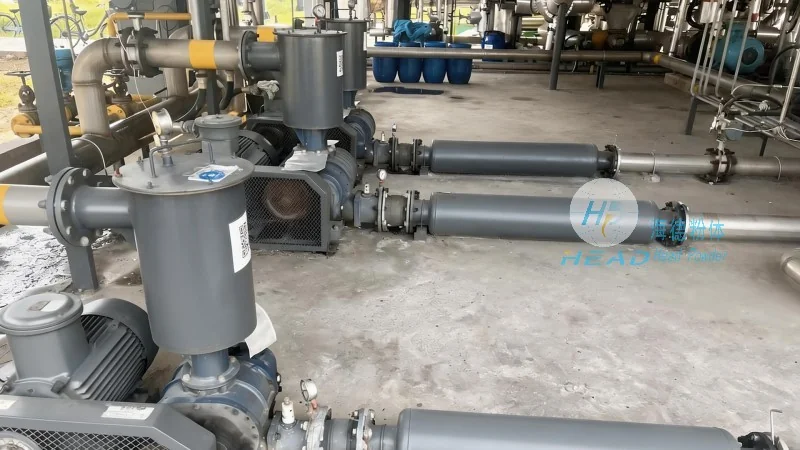
Applications in Various Industries
Dust-free enclosed powder handling systems are widely used across multiple sectors, each with specific requirements tailored to their operational needs. In the pharmaceutical industry, for example, these systems are essential for maintaining sterile conditions and preventing contamination of active ingredients. In the food industry, they ensure compliance with hygiene standards and protect consumer health. Similarly, in the chemical and industrial sectors, enclosed systems help manage hazardous powders safely, reducing the risk of exposure to workers and the environment.
Conclusion and Company Overview
As the demand for safe and efficient powder handling grows, the importance of dust-free enclosed systems becomes increasingly evident. These systems not only enhance operational safety and product quality but also contribute to regulatory compliance and cost-effectiveness. Shandong HeadPowder Engineering Co., Ltd., a leading provider in this field, specializes in designing and manufacturing advanced enclosed powder handling solutions. With a focus on innovation and customer-centric design, the company ensures that its products meet the highest standards of performance and reliability. HeadPowder's commitment to quality and customer satisfaction has established it as a trusted partner for industries worldwide, providing tailored solutions that address the unique challenges of powder handling. The company is headquartered in Shandong, China, and continues to lead the way in the development of cutting-edge powder handling technologies.