

What is a Melamine Powder Pneumatic Conveying System Equipment? And What Are Its Design Principles?
For industrial applications involving melamine powder, efficient and reliable material handling is crucial. The melamine powder pneumatic conveying system equipment represents a sophisticated solution designed to transport this fine powder safely and effectively. This equipment is engineered to meet the specific demands of melamine processing, ensuring minimal product degradation and optimal operational performance.
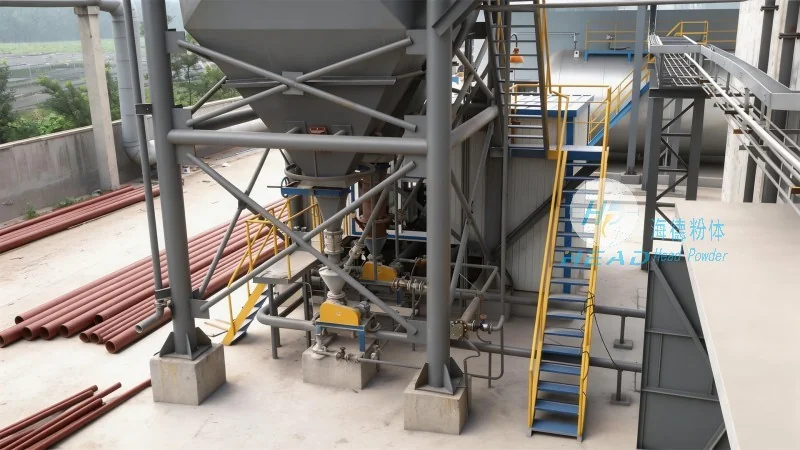
Overview of Melamine Powder Pneumatic Conveying Systems
Melamine powder, a key raw material in various industries such as coatings, plastics, and adhesives, requires specialized handling due to its fine particle size and potential for static charge accumulation. Traditional conveying methods like belt conveyors or screw conveyors may not be suitable for melamine powder, as they can cause dust generation, product agglomeration, or contamination. Pneumatic conveying systems offer a solution by using compressed air to transport the powder through a pipeline network, minimizing contact with external elements and reducing the risk of contamination.
Key Components of the Melamine Powder Pneumatic Conveying System
The melamine powder pneumatic conveying system typically consists of several critical components that work in tandem to ensure smooth operation. These components include a material feeder, a compressor or air source, a conveying line (often with bends and valves), a receiver or discharge unit, and a filter system. Each component plays a vital role in the overall functionality of the system.
The material feeder is responsible for accurately metering the melamine powder into the conveying line. It ensures a consistent flow rate, which is essential for maintaining the system's efficiency and preventing blockages. The feeder may be designed as a rotary valve or a screw feeder, depending on the specific requirements of the melamine powder's characteristics, such as its flowability and potential for bridging.
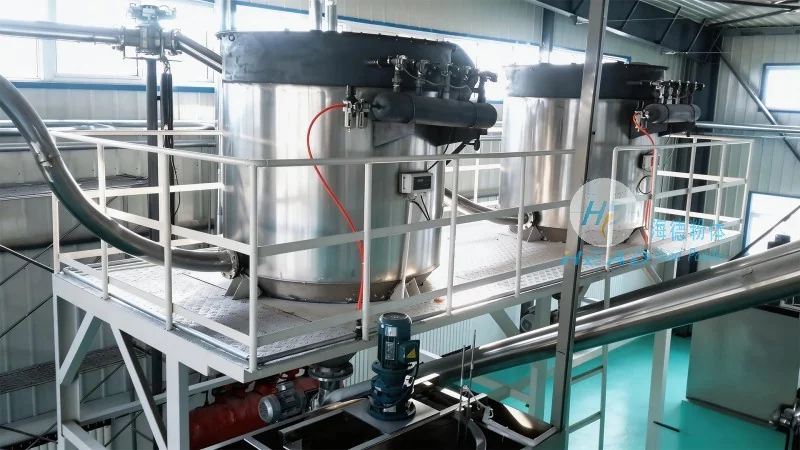
The compressor or air source provides the necessary pressure and volume of air to move the melamine powder through the pipeline. The choice of compressor (e.g., rotary lobe, screw, or centrifugal) depends on factors like the system's capacity, the required pressure, and the type of melamine powder being conveyed. Proper air management is crucial to avoid excessive energy consumption and to maintain the system's reliability.
The conveying line, often made of stainless steel or other corrosion-resistant materials, is designed to withstand the abrasive nature of melamine powder and the effects of compressed air. The line includes various fittings, such as elbows, tees, and check valves, which are strategically placed to direct the powder flow and prevent backflow. The design of the line, including its diameter and length, is optimized to minimize pressure drop and energy consumption while ensuring the efficient transport of the melamine powder.
The receiver or discharge unit is where the melamine powder is collected after being conveyed through the pipeline. It may include a hopper or a storage tank, depending on the downstream process requirements. The receiver is designed to prevent dust leakage and to provide a controlled discharge of the powder into the next processing stage. Some systems may also include a venting system to manage air pressure and prevent over-pressurization.
The filter system is a critical component for maintaining air quality and ensuring compliance with environmental regulations. It captures any fine melamine powder particles that may have escaped the conveying line and returns them to the system or to a collection container. The filter may be a bag filter or a cartridge filter, depending on the system's capacity and the required filtration efficiency. Regular maintenance of the filter is essential to prevent clogging and to ensure the system's long-term performance.
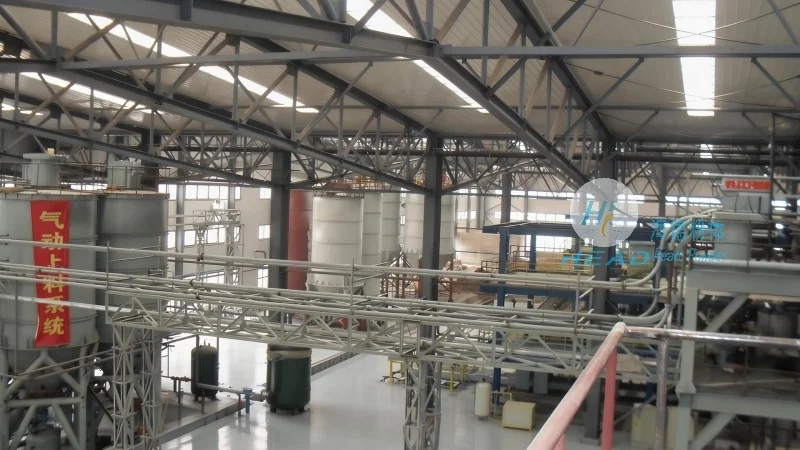
Design Principles for Melamine Powder Pneumatic Conveying Systems
The design of a melamine powder pneumatic conveying system follows several key principles to ensure optimal performance and safety. These principles are tailored to the unique properties of melamine powder, such as its fine particle size, low bulk density, and potential for static charge accumulation.
First, the system must be designed to minimize the risk of dust explosion. Melamine powder is a combustible material, and the presence of static electricity can increase the risk of ignition. Therefore, the system incorporates anti-static measures, such as grounding and using conductive materials, to prevent static buildup. Additionally, the design may include explosion-proof components and pressure relief valves to mitigate the risk of explosion in case of a malfunction.
Second, the system is engineered to handle the low bulk density of melamine powder. Unlike bulkier materials, melamine powder requires higher air velocities to achieve effective conveying. The design of the conveying line and the selection of the compressor must account for the powder's low density to ensure that the air flow is sufficient to lift and transport the powder particles. This may involve using larger pipe diameters or higher air pressure to maintain the required air velocity.